So long as there is no snow on the ground, you can harvest herbs in your garden. There is nothing more satisfying and simple than snipping off just what you need and enjoying the garden fresh flavor without having to fork out a few bucks per bunch at the market.
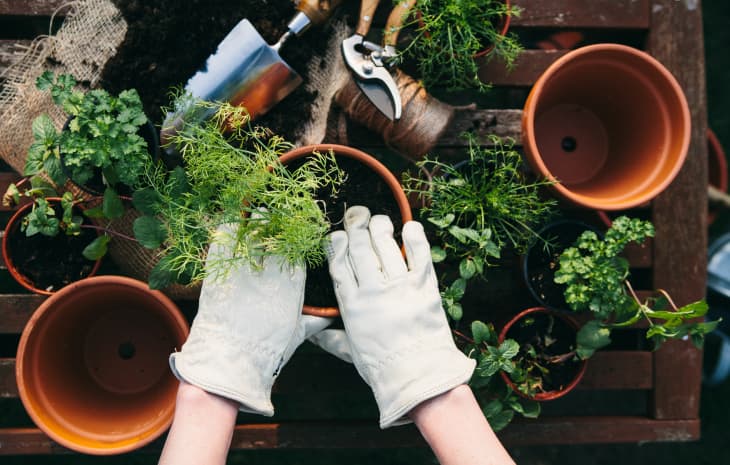
Herbs are among the easiest plants to grow. I you have a piece of land to plant then, great, but many are actually be even better in a container because their prolific nature can be contained and because you can place them right near your kitchen for quick cooking access.
Here is my list of my Top ten 'Can't Live Without' garden herbs.
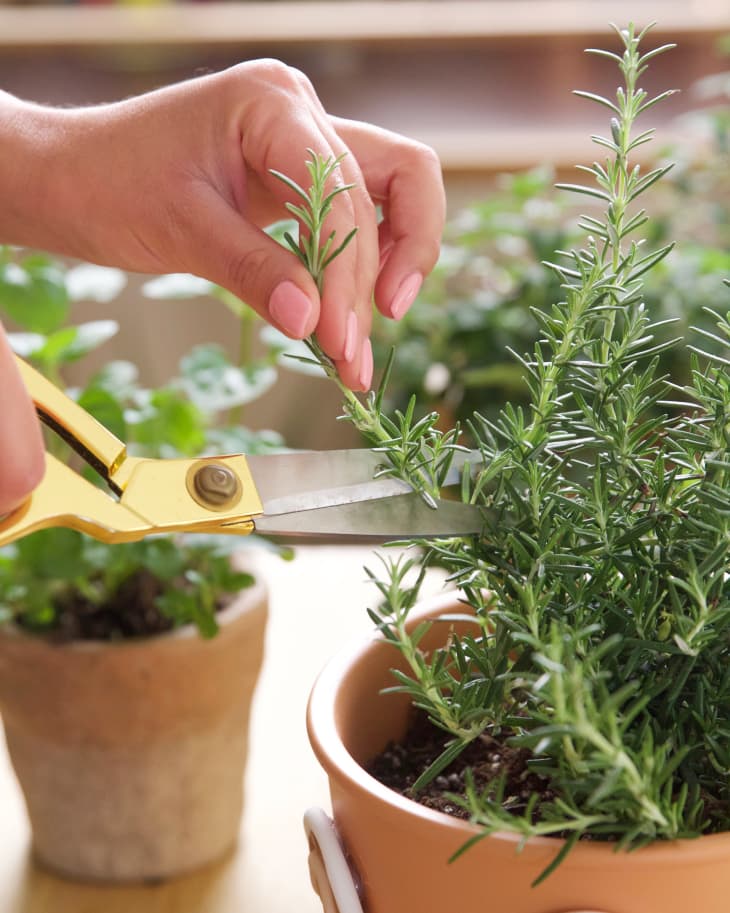
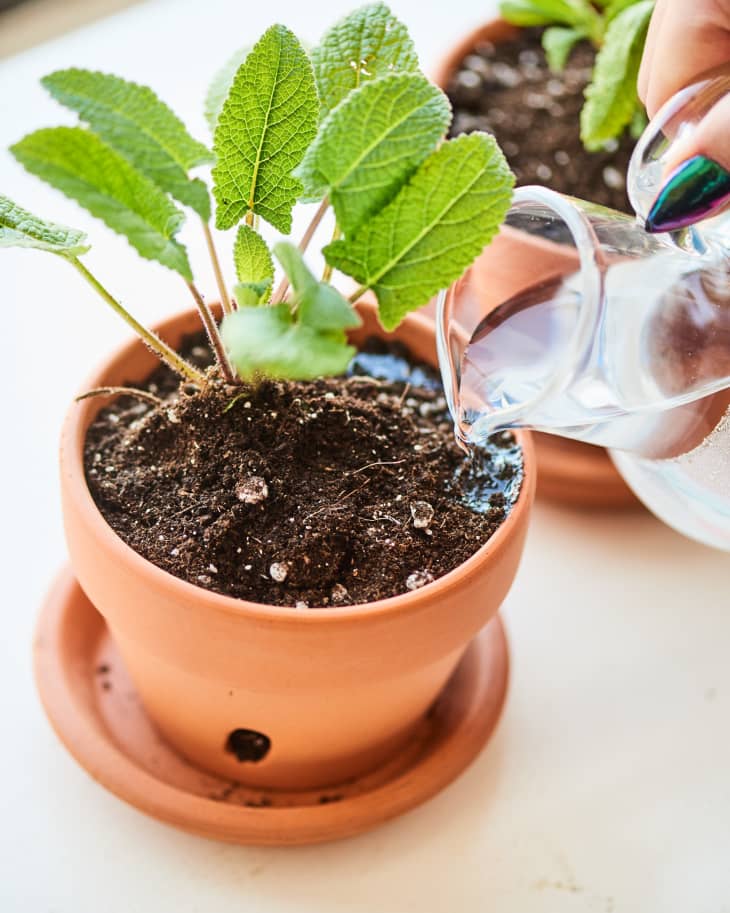
1) Rosemary Use it fresh or dried, the flavor is fantastic either way. If you grow it in a pot, it will happily move inside when the weather gets too cold. Also, since it likes to dry out between waterings, it might be good to consider giving it its own space as there aren't too many other plants that prefer the same treatment.
Favorite uses: Holiday Gifts (the piney smell is perfect for the season) and chopped and sprinkled atop store bought pizza dough, baked and drizzled with olive oil and Parmesan cheese.
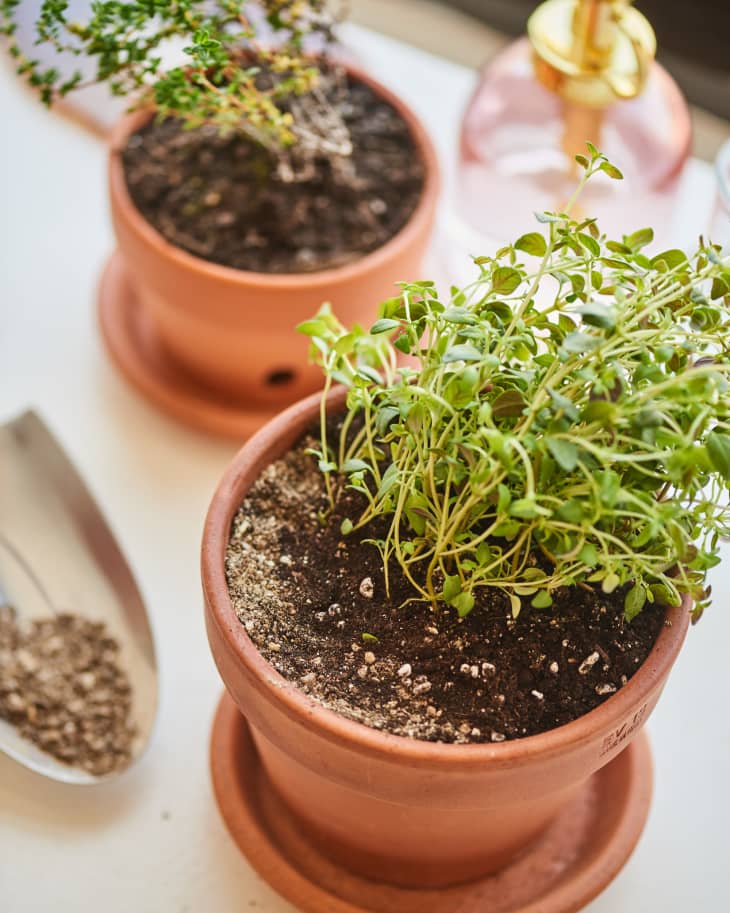
2) Thyme I find I use this for two main types of cooking; wintery stews and summery meat grilling marinades. Thyme is a low growing plant and my favorite, lemon thyme, is really a ground cover. It is perfect for edging beds or placing in the front of a mixed container planting. The plant is very hardy, if you can see it (for lack of snow cover), you can harvest it.
Favorite Uses: Ina Garten's recipe for beef bourguignon is my favorite, but when I make it, I substitute lemon thyme and I triple the amount the recipe calls for.
3) Sage At nearly 5 years old, my sage plant is quite expansive (about 3 feet in diameter) and woody. Planting it in a container and cutting it back more regularly would control this. My baby is due for some TLC and tough love and I plan to donate the cuttings to some yogi friends who want to make smudge sticks.
Favorite uses: Infuse white beans with sage by adding leaves to the cooking water then douse bean in olive oil infused with even more sage. Also -- this list of 45 things to do with sage has some other great recipes and ideas.
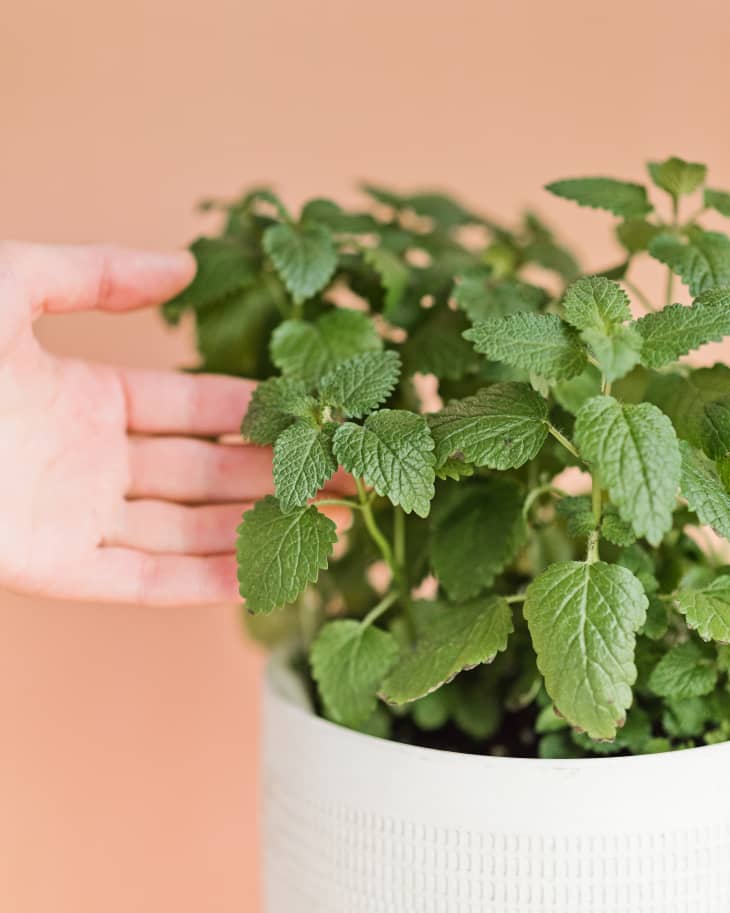
4) Lemon Balm Until about 2 weeks ago when I took a teas and tinctures class I had really only grown lemon balm for a few reasons. It was easy, it has a nice shape and nice fresh green leaf color (and sometimes that's all I want in a garden plant) and my whole family enjoys walking by it and pinching off a leaf and giving it a good sniff.....Ahhhh so relaxing.
Favorite uses: Trim leaves, and use either fresh or dried, (dry leaves in a paper bag and store in a dark place) steep in hot water. Strain with a tea strainer and serve the best cuppa afternoon tea.
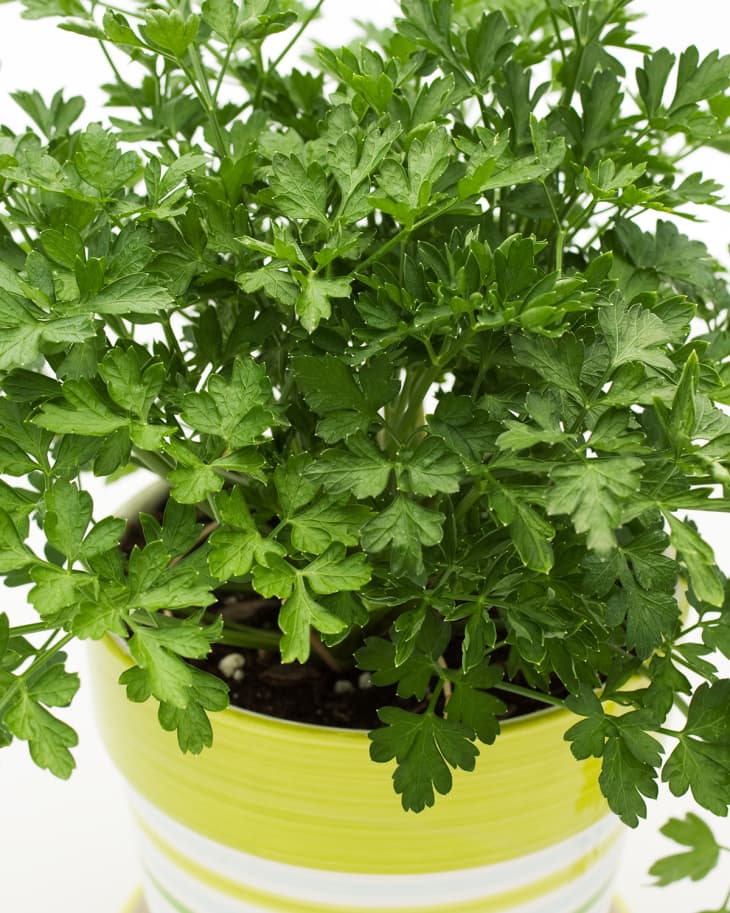
5) Parsley I happily discovered last year that parsley, which is normally grown as an annual, can overwinter. This spring, the seeds I put in the ground in 2009 are once again growing and one of my plants is actually big enough that I clipped sprigs for dinner last night.
Favorite uses: Parsley is ones of those super foods that do more good things for a body than seems possible for just a little leafy green plant. Among other things, it contains more vitamin C than than bascially anything else you can eat. You can make lots of things with it, but I pretty much chop and sprinkle it on most every dish that comes out of my kitchen.
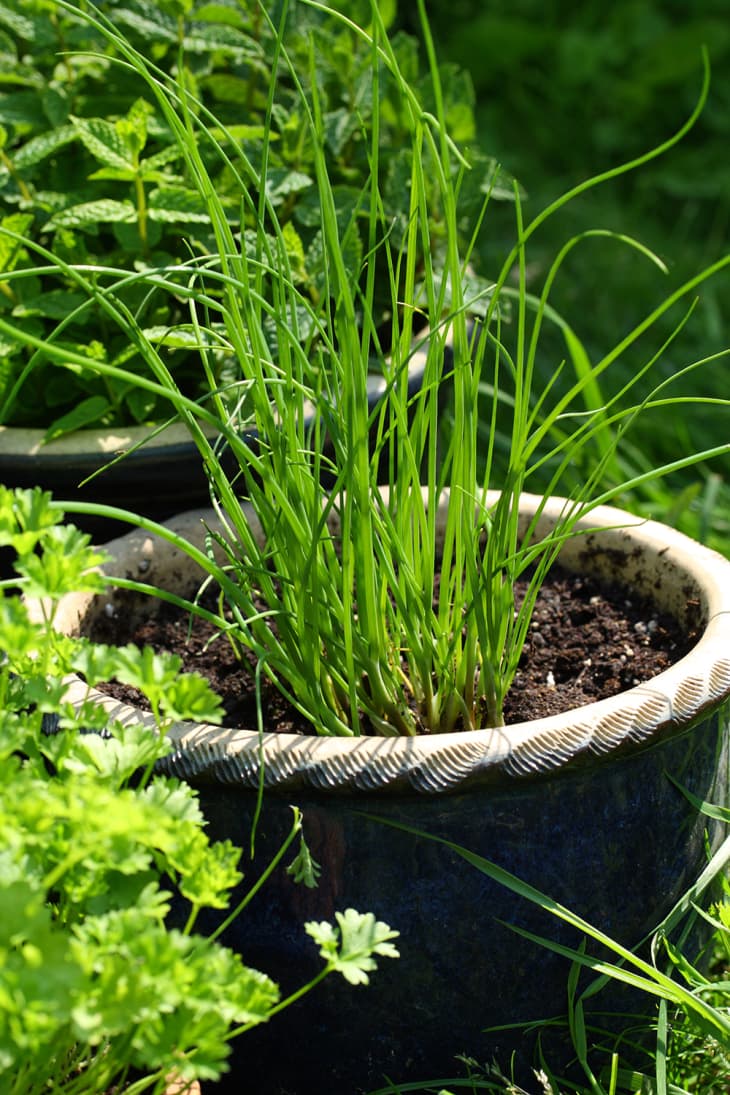
6) Chives - Another perennial favorite, I have two plants, timed differently. One stays outside planted in the ground and its natural calendar supplies me with snips about this time of year and the other is at the base of a potted orange tree that I haul in and out of the house seasonally. It shoots up tasty green stems in the dead of winter. It's worth having both so that my harvesting season is longer.
Favorite uses: I add it to salads (along with other other leafy herbs like basil) to give what would appear to be a boring lettuce mix a hidden kick.
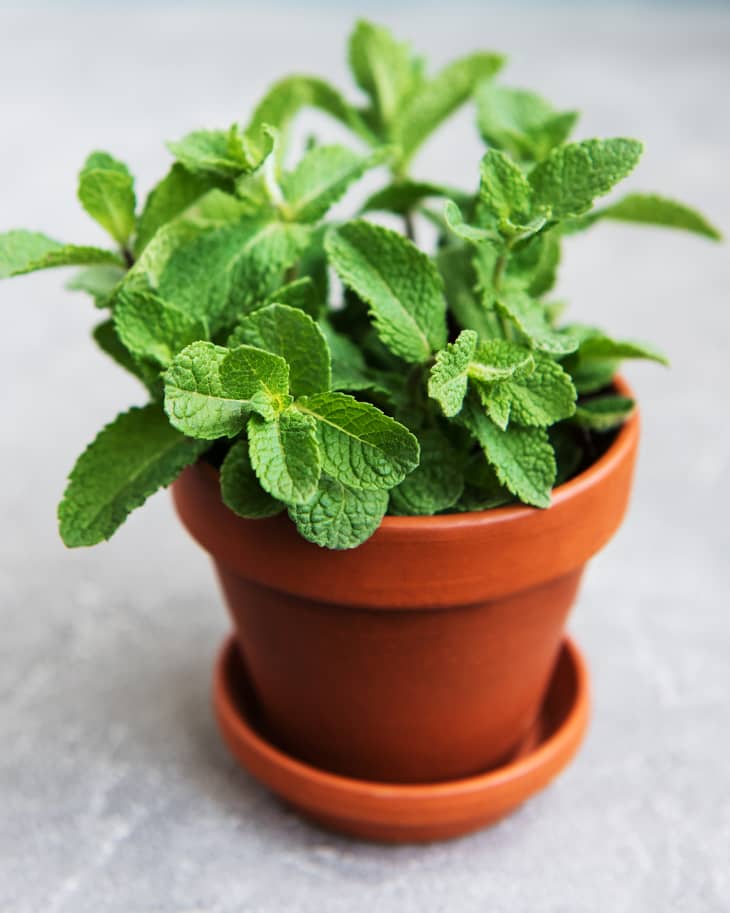
7) Mint - I strongly recommend growing this in a container or a contained are because it will fill whatever space you give it. It's a lovely plant to have around, but don't say I didn't warn you.
Favorite uses: Mint Juleps, Mojitos, Lemonade (add fresh sprigs to your favorite recipe), Tea (dried and used just like the lemon balm) and it is one of the key secret ingredients in my favorite involtini (recipe by Nigella Lawson).
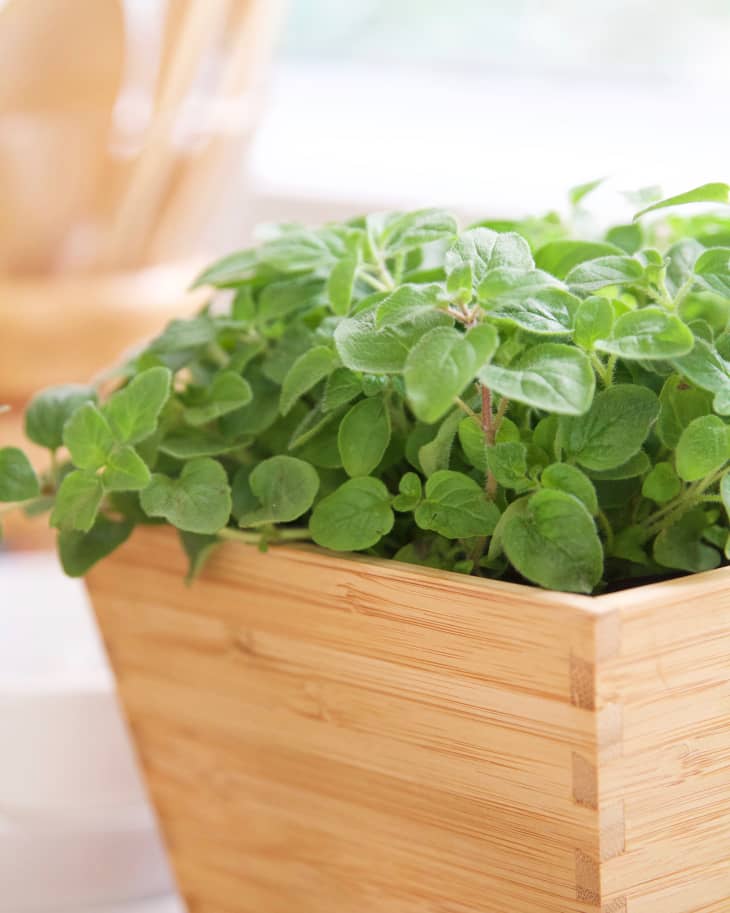
8) Oregano. This plant also acts like a ground cover but it is generally polite and doesn't spread too aggressively. I prefer the 'Greek' variety as this is more like the organo flavor you expect.
Favorite uses: Sprinkle liberally (fresh or dried) over fresh homemade pizza, add to the pot when making sauce from abundant garden fresh tomatoes.
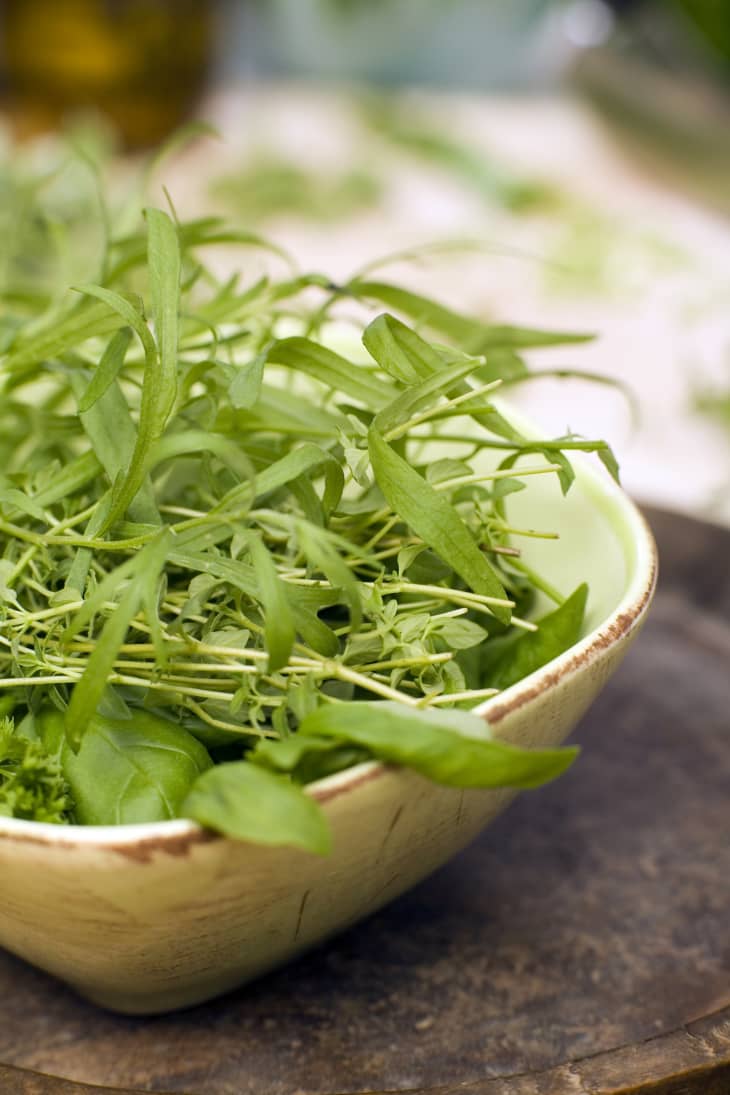
9) Tarragon I now have two of these plants (which provides way more of this pungent herb than I know how to use). The first plant came mail order and was about the most pathetic piece of barely alive root thing I have ever seen. Thinking it was dead, I bought another, but yesterday I discovered that the first, after a year of seeming non-existant, has decided to become a happy plant afterall. I love these kind of garden surprises. So often there is life where there seems to be none.
Favorite uses: I LOVE Chicken Tarragon served over rice. I'm a one trick pony with this herb -- but to me chicken tarragon is that good. Anyone else have a favorite tarragon recipe to suggest?
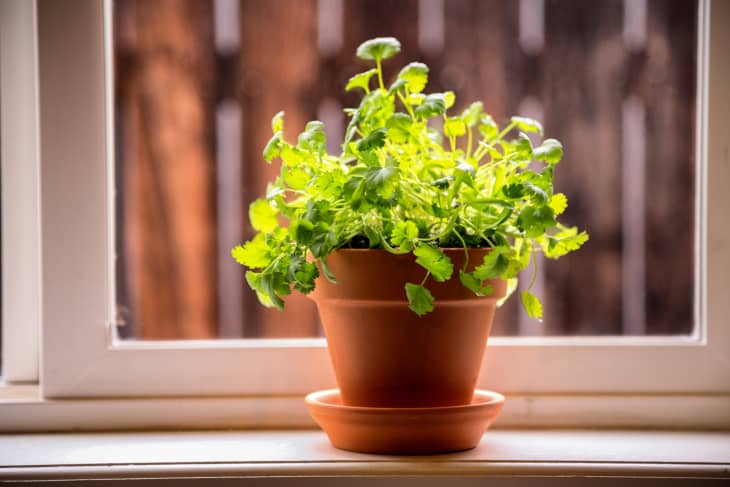
10) Cilantro - I usually have to give the plant a good sniff to make sure I have cilantro and not its very similar looking friend, parsley. Cilantro is easy to grow from seed and I start planting it about this time every spring. I find that it bolts easily so I think that it is handy to plant a few seeds now and then a few more every few weeks for the next month or more. This way, you will have a ready supply through out the summer.
Favorite uses: While there are many other ingredients you could add to make a great guacamole, I think that you could actually get away with only two, cilantro and avocado.
And how can I not include Basil? I can't, it is the plus one, #11 herb that you must grow. I have considered planting it in multiple places around my garden just for the smell of it when I walk by (heaven). I generally buy starts of this annual and then harvest leaves all season. Make sure you keep pinching off the flower heads so that the plant will keep throwing out new leaves all season. I've tried planting from seed (straight in the ground) and while I have had some success, it is not as good as transplanting baby plants (either by growing them yourself or at this time of year --late spring-- you shoudl probably go buy some).
Favorite uses: Everything - Salads, pesto, pizza, sauces, and with summer's treat, tomatoes and fresh mozzarella.
Did I miss any of your favorites? Do share.
Image:Culinary Herbs

Howard Butcher Bloc...
Please be careful with some mint plants, as some varieties are extremely invasive and wreck havoc on local ecosystems. Make sure you grow it in a container, or seek out the less destructive species.
Where do you guys put your herbs? I'm thinking maybe I want a slat bench to put herbs on because I want them near the window, but I really don't want a piece of furniture that will obscure the window much (we have huuuuuuuuge floor to ceiling windows and no window ledges).
Thyme is one of my favourites not just as an herb but as a ground covering plant. I had different types of thyme in all my planters but the lemon variety would give off the most freshest scents when I would brush against them or water them. Sage is very lovely, too - especially the purple variety.
Lemon balm is fantastic but it's a member of the mint family and extraordinarily invasive and hardy. It quickly entered our lawn and is unstoppable now. If I had it to do again, I'd only plant it in a pot or submerged chimney flue.
totally TRYING these!!!
@Pi If you HAVE to keep them inside, I'd try getting a collection of three to five really beautiful glazed pots that are at least a foot or two tall, equally spacing them along your windows, and then putting collections of a few herbs in each of them to create an art/sculptural focal point (without having to get an additional piece of furniture.)
a bearnaise sauce is the only thing i can think of for tarragon...
thanks for the article. i get so annoyed w/ myself for having to buy fresh herbs at the market
@veronicainla - Thanks! That sounds like a great idea. I never thought to put several varieties in one pot before. And yeah, they have to be inside. I don't have a balcony.
Is there a particular way one should or shouldn't harvest them? I have a new parsley plant and I'm not sure how to keep it going (it's mostly for my guinea pig - he'd eat the whole thing in five minutes if he could).
Or maybe hanging pots, Pi?
We have all of these - because most of them are perennials they come up on their own and are ready for use by Easter. I even have parsley re-growing from last year.
I also have a bay tree that I take inside in the winter (I live in New England) so I can continue to use leaves.
And I bring Rosemary and Thyme inside in the winter, as well. I grow them in pots which I bury in the garden in the summer so they can get strong and healthy again. I have other Rosemary and Thyme plants in my garden that I use in the summer.
We bought a little metal trough to plant herbs in, it's about 2 feet long and we fit in chives, basil, thyme, lemongrass and mint. It looks just as cute on the balcony as it does on the kitchen counter.
@annemc - can't do hanging pots because the ceilings are so high. They'd have to be on pretty long chains. And I don't think we can drill into the ceiling.
Gotta have at least one kind of basil! It's an absolute must for our family. There's basic Genovese for pesto, lemon, Thai, cinnamon, and more.
I have no yard so I grow my herbs in pots in my windows. Rosemary is the only one I haven't killed. I like to show the other herbs my big rosemary plant and ask them why they can't be more like rosemary?
great post! this year we've decided to do larger pots of herbs around the deck with sort of bouquets of herbs together- still not sure which ones like being next to each other, but it's worth a try! i like them right out the back door so i can make a quick choice for dinner while i'm cooking.
as for a tarragon recipe, my husband makes an amazing chicken dish over cous cous, with a tarragon sauce. the sauce is tomato paste, heavy cream, balsamic vinegar and tarragon. it's hard to mess up and the measurements of each ingredient can be adjusted for whatever you have a taste for that night! i bet if you google it, it will come up!
tarragon is excellent in chicken salad! i also use it in my devilled eggs. it's fresh and subtle and de-lish.
Cilantro just like it's look alike Parsely is very high in Vitamin C as well. It goes very well with all Mexican and Indian food - just sprinkle some on top of prepared foods as garnish or add to freshly prepared salsa. Makes great chutney in combination with mint and green chillies too!
Basil almost always dies on me. Is there a secret to growing it? Should I snip a few leaves every few days??
Basil likes a lot of sun, and does seem to flourish when you use it (cut leaves off) regularly. (That's all I got. Hope this helps.)
@VLucius: Tarragon goes great with chicken, fish, and eggs. It's also the key ingredient in green goddess dressing.
Will any of these work in majority shade areas? I have a small north-facing apartment porch that's mostly shade all day, but I would love to grow herbs. I have a south-facing living room window, but it actually doesn't get direct sun in summer.
I agree - be careful with the mints, because they will send underground creepers out and invade EVERYWHERE.
Having said that, I keep herbs mainly for their scent, and one of my absolute must-haves is chocolate mint. Pretty much smells like it sounds. YUMMY!
I also have a side sunny garden full of catmint, which has a delightful smell and stays in beautiful dusty-green flower for about 6 weeks in the hottest part of summer, with very little watering. Great for hot, sunny gardens you don't want to tend. (And yes, cats like it.)
Er... oops! Make that dusty blue flower. :)
Mary
From my own experience growing most of these, I've found cilantro to be really hard to grow. I've never been able to grow it inside, and it does okay outside but you must keep it well watered and shaded. I grew it in Virginia, but by mid summer the hot sun had killed it.
I also had some trouble with parsley. It grows really easily and well, but there is a certain type of caterpillar that hatches in mid summer that LOVES parsley. My beautiful container of parsley was completely devoured by these fuzzy black beasts.
tarragon, mushrooms, bulghur = heaven
Basil has enormous roots and needs lots of soil. Also, it's very appealing to insects. It's the only one of my herbs that requires insecticidal soap. The critters don't seem to go after sage and oregano.
Seriously, I'm cursed. Every plant that I go near dies! I can't grow herbs, ferns, or any other "easy" plant. Hell, weeds die around me!
@jaimie, I had swallowtail caterpillars dining on my parsley, but since I think swallowtails are beautiful butterflies, I can stand to lose a bit of parsley to them. I try to plant enough for me and for them. Since parsley doesn't take up too much space, it's not a problem. I don't know about fuzzy black ones, though.
"My" swallowtails were green/yellow/black striped. These caterpillars also love dill!
DOH. I should've taken pictures of my multi-herb pots! They weren't getting enough sun on my BFs patio, so the herbs were uprooted and moved back to my house (into an upcycled wheelbarrow) and the pots were filled with lettuce, kale, and basil instead. I would say if your space doesn't have great air circulation, you may want to get a fan for that room since I've found herbs don't seem to love still air. So for the multi-planted, it was just like creating a standard flower arrangement, but with plants: tall herbs in the center (lemongrass, fennel, dill, lavender, etc.), shorter on the sides or back (basil, parsley, rosemary, chives), and then creeping on the outer edges and the front (thyme, oregano, etc.) I used 3 14-16" glazed blue ceramic pots and really focused on how the colors of each plant played off of the others. Much nicer than one plant to a pot IMO, even if it requires a little maintenance after a few months. :)
@typwc: Wouldn't more parsley just translate into more caterpillars? Dang moochers. :)
I love the reminder to grow herbs. I should try to grow cilantro for my pet rabbit. Even at 30 cents a bushel, he's eating me out of house and home.
@thorndale - I wouldn't mix the two. If you buy flowers already in bloom, they might have pesticides or insecticides on them when you put them into the pot, and you don't want that near your food plants. If you put in your own seeds, you can't tell right away how much room they need to take root and I think that might conflict with the herbs that also need to take root.
As for tall pots..could you have a plant stand and have a smaller pot on top of that?
Parsley is a biennial, so you will need to plant it every year. The previous year's plants will come up in Spring and get you through until the new crop is ready. The older plants will then go to seed. You can either let the seeds fall where they will or collect them and plant them where you want them.
As for the caterpillars on parsley, they are the next crop of butterflies. Celebrate them!
I use tarragon in my salad dressing recipe. A few sprigs + some dijon mustard + lemon juice + salt & pepper + olive oil = the most delicious salad dressing I've ever had.
I recently planted chives, basil, and parsley. The instructions on the mini-pots say to transplant them to bigger pots when they reach 3'' in height. What's the best way to transplant them without killing them? And when can I start using them?
I love a little tarragon sprinkled on roasted carrots.
@thorndale If you can find a supplier, clay chimney flue liners make excellent tall, narrow pots. They will crack if they freeze while wet (or full of wet soil) so they're not good for cold, wet climates.
@cremebrulee When transplanting seedlings, don't pick them up by the stem. It can break and the plant probably won't recover. If they are in small individual pots, place your fingers on top of the soil on either side of the stem. Then turn the pot upside down (you might have to give it a shake or tap on the bottom.) Pull the pot off the rootball and use your free hand to cup the roots and turn it right-side up. If the plants are in a six-pack it can be harder to get them out and you might have to cut the six-pack apart.
Martha Stewart has a delicious tarragon lemonade recipe.
In a recent herb post on thekitchn, I learned about how you can plant scallion bottoms (the white bit with roots) and they will regrow into scallions again! It makes perfect sense, but I had never thought about it.
I planted a few bulbs a couple weeks ago, and lo and behold they're growing! I feel like Dr. Frankenstein (that's "Frahnken-steen!").
Tarragon is awesome in chicken salad made with grapes. Give it a try!
I love the list! Basil and mint are particular favorites of mine. I actually have a similar list I did ( http://voices.yahoo.com/most-useful-herbs-household-garden-11545956.html?cat=68 ) which has quite a few of the same herbs. Though in the end it comes down to personal taste really.
I Love all of these herbs. I also love Dill it is really great in fish dishes and don't forget it when making pickles.
QUESTION: What is the best book about growing herbs? I'm looking to give it as part of a gift set and want it to be beautiful and informative. Thanks!