Name: Marc and Lana
Location: Lexington, Massachusetts
Years lived in: Just about two
Last fall on a tour of Lexington's mid-century modern homes, we were lucky enough to see the inside of the famous "Big Dig House" and meet its current owners. We were thrilled that Marc graciously allowed us to come back and take a few photos for you.
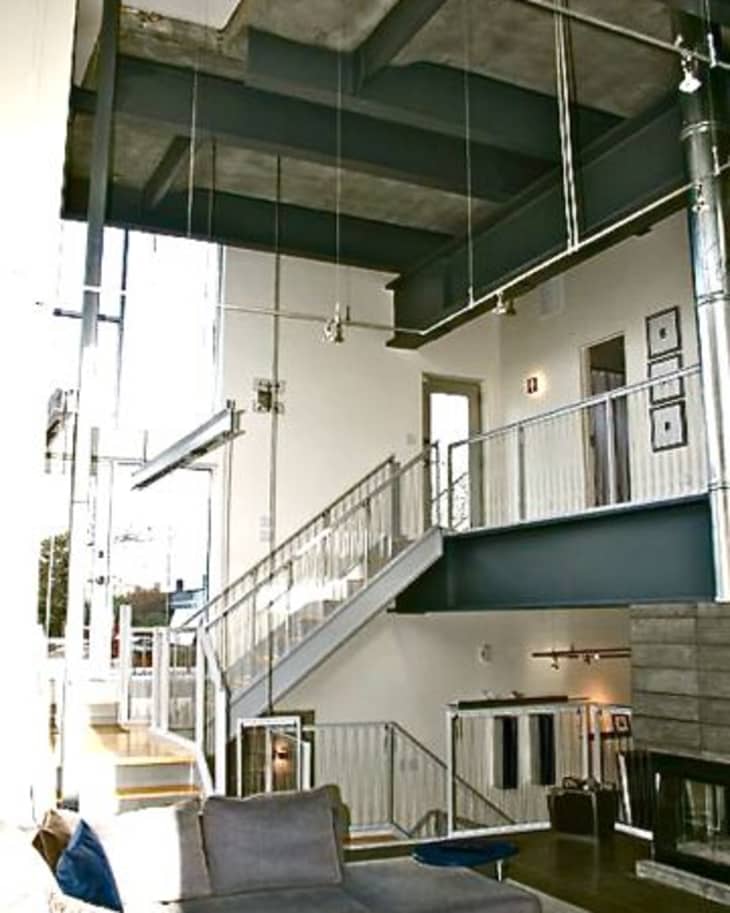
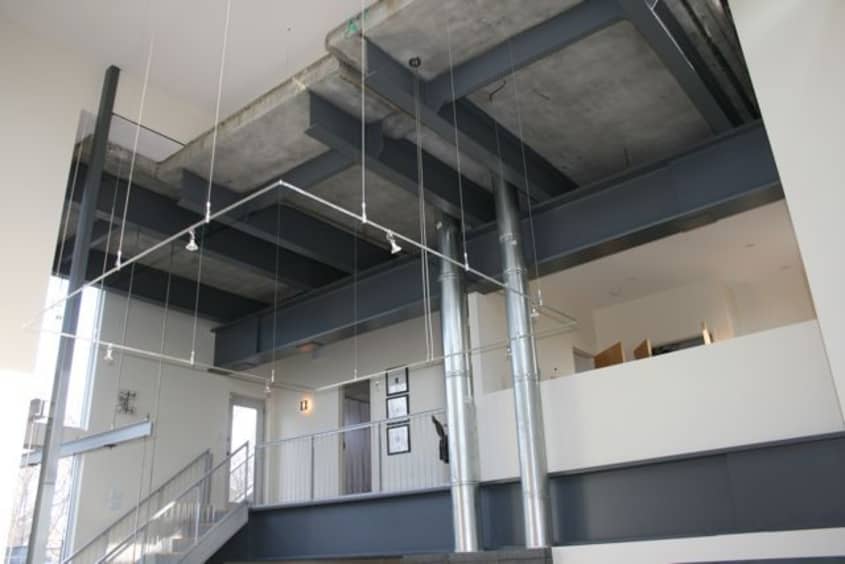
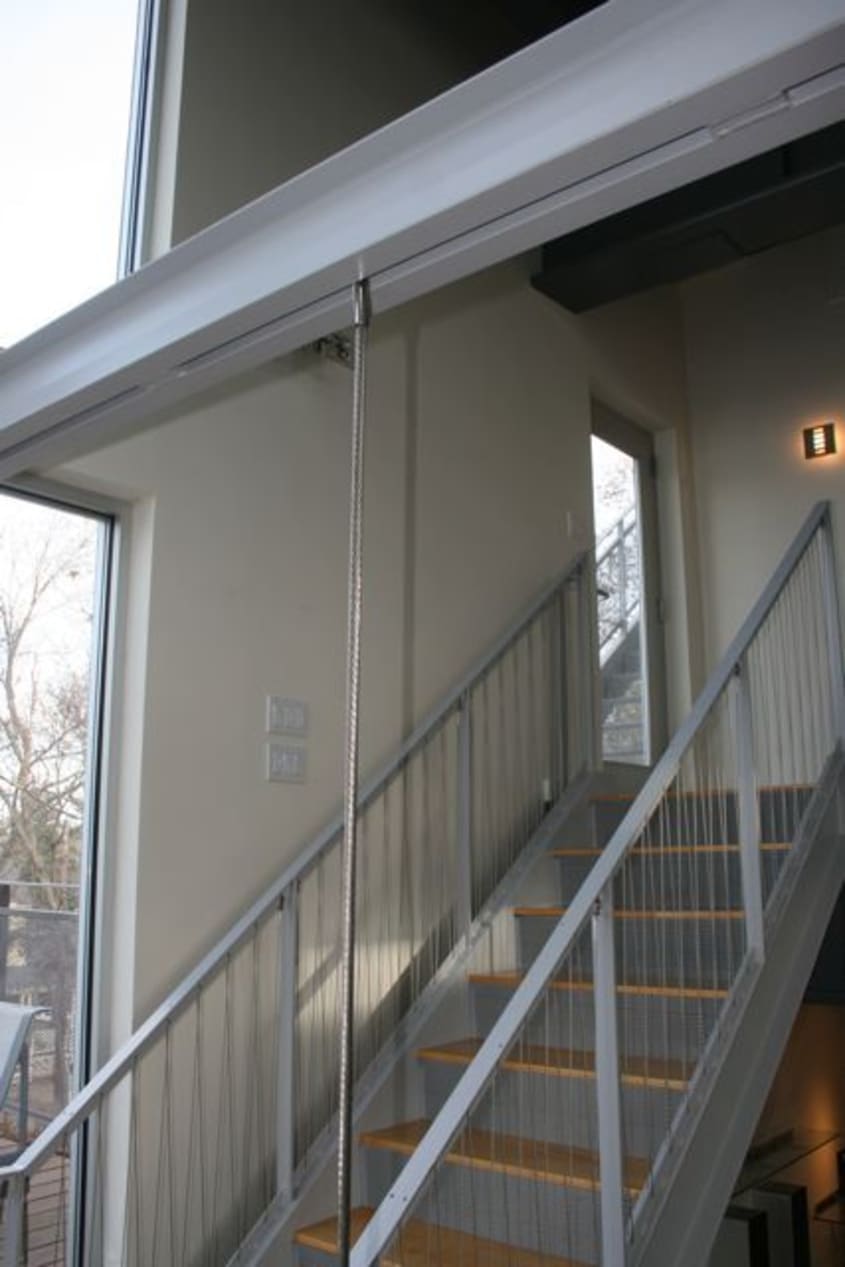
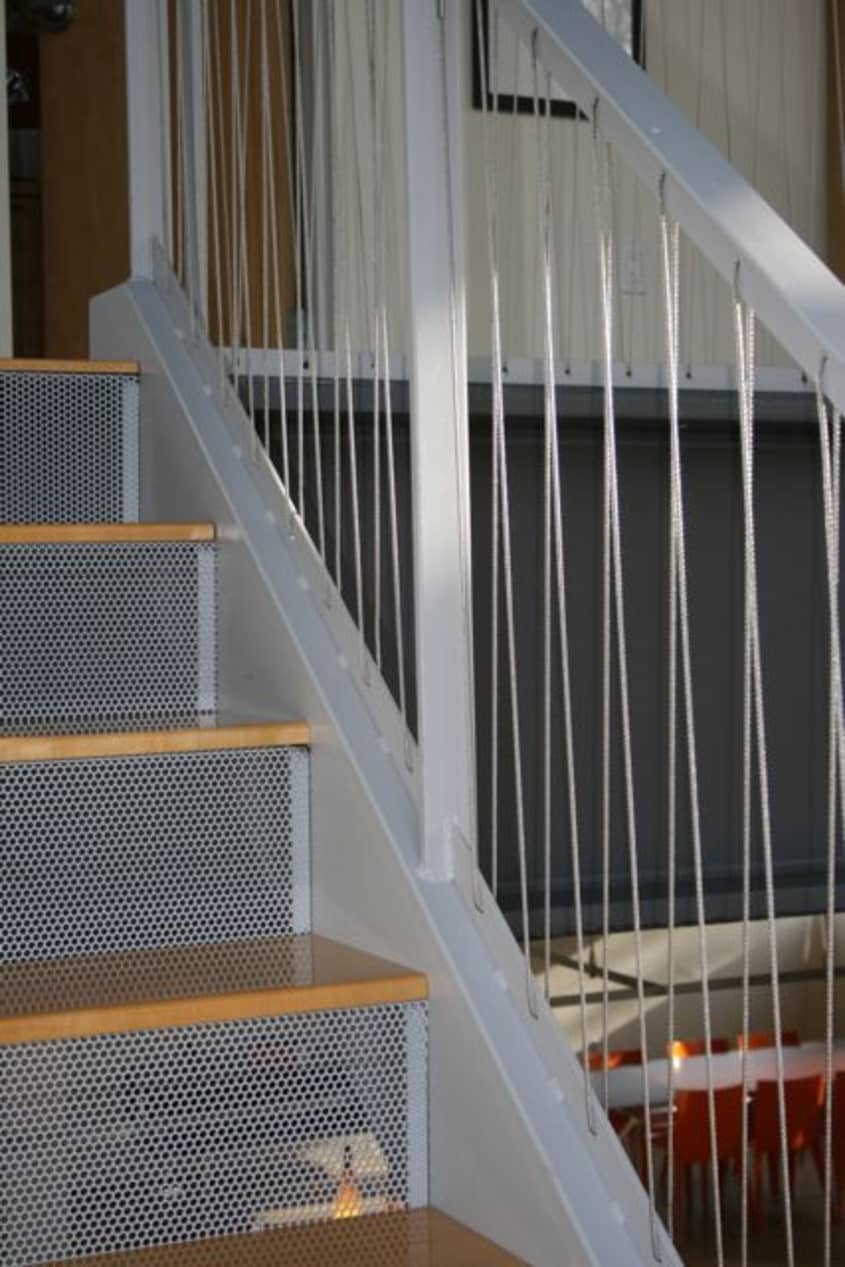
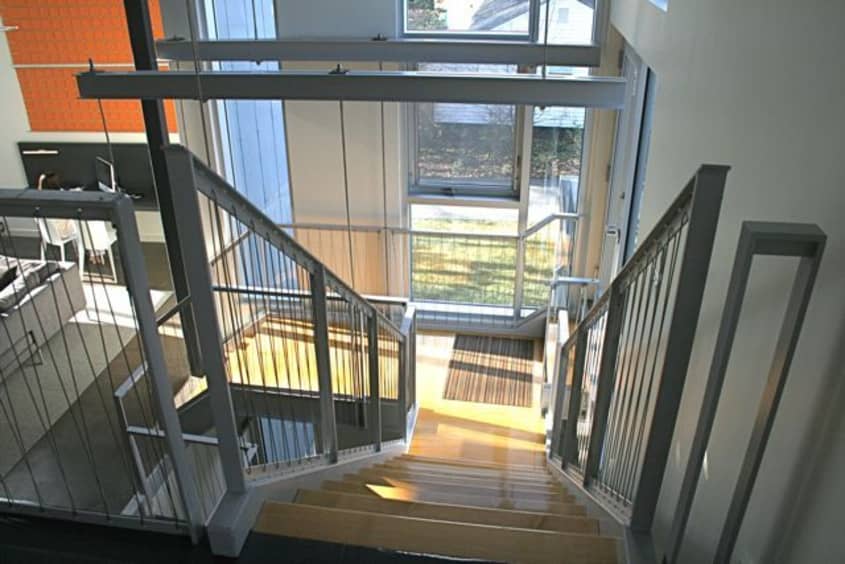
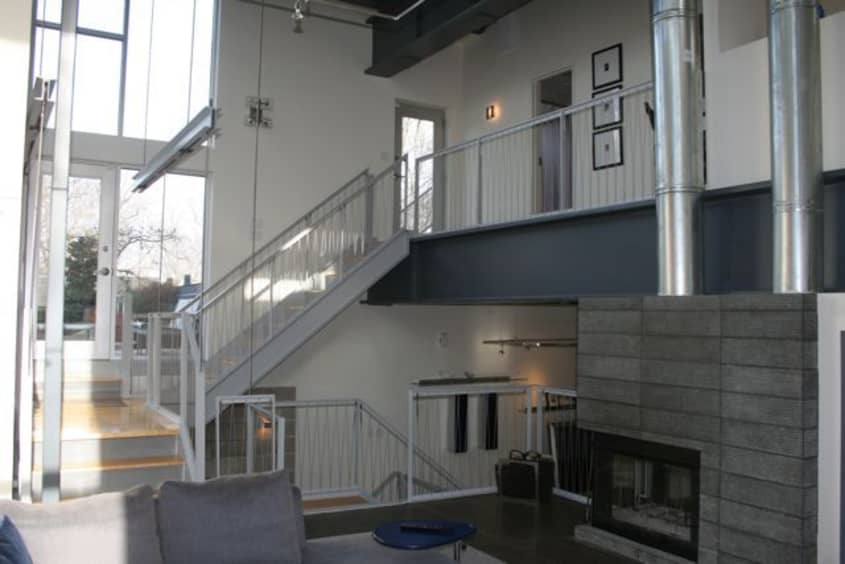
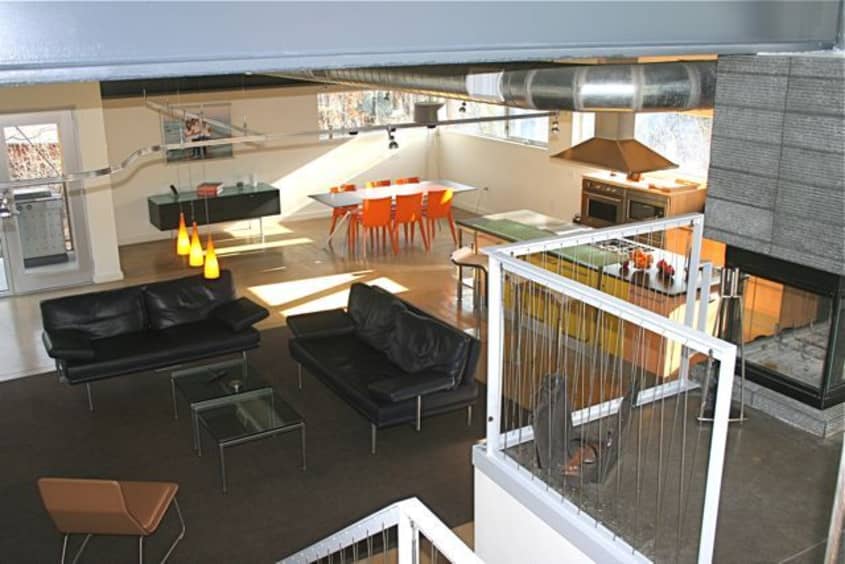
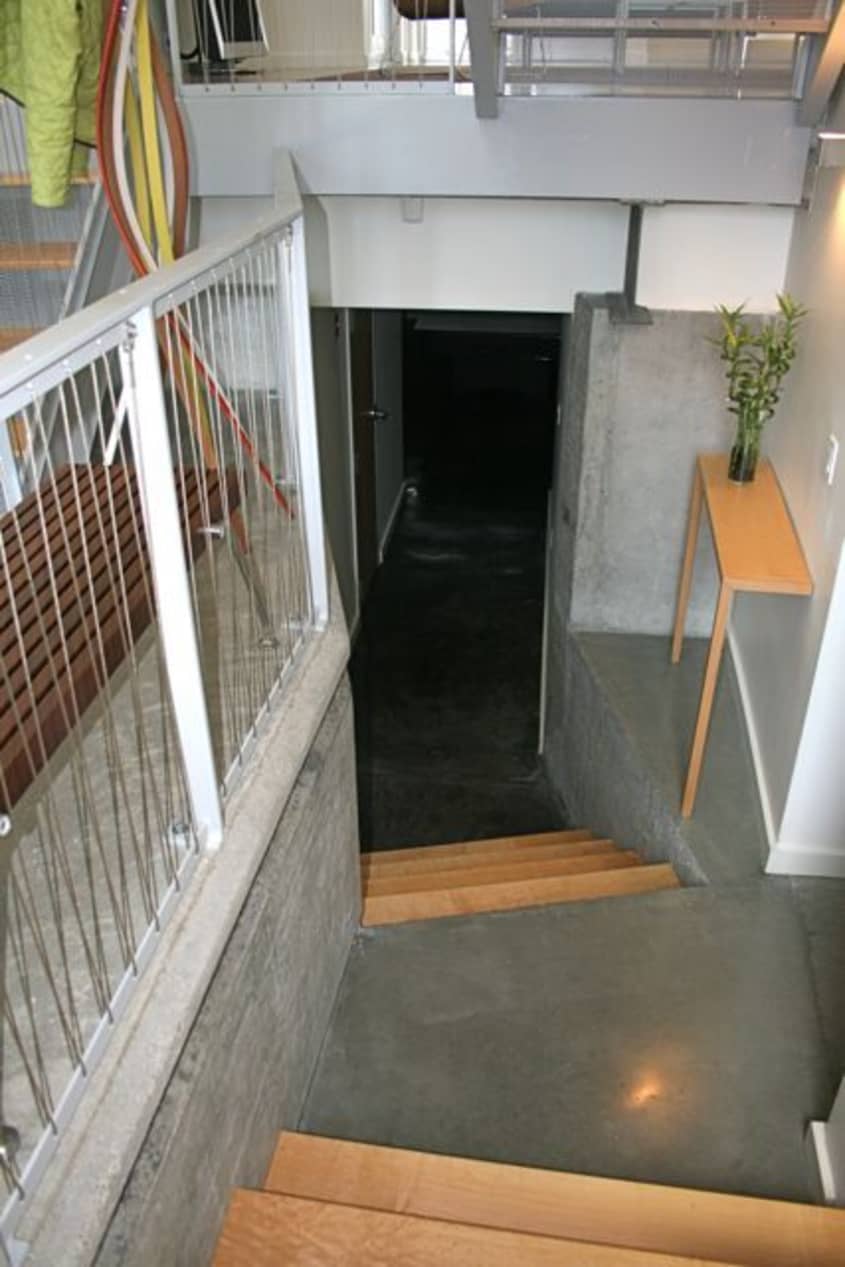
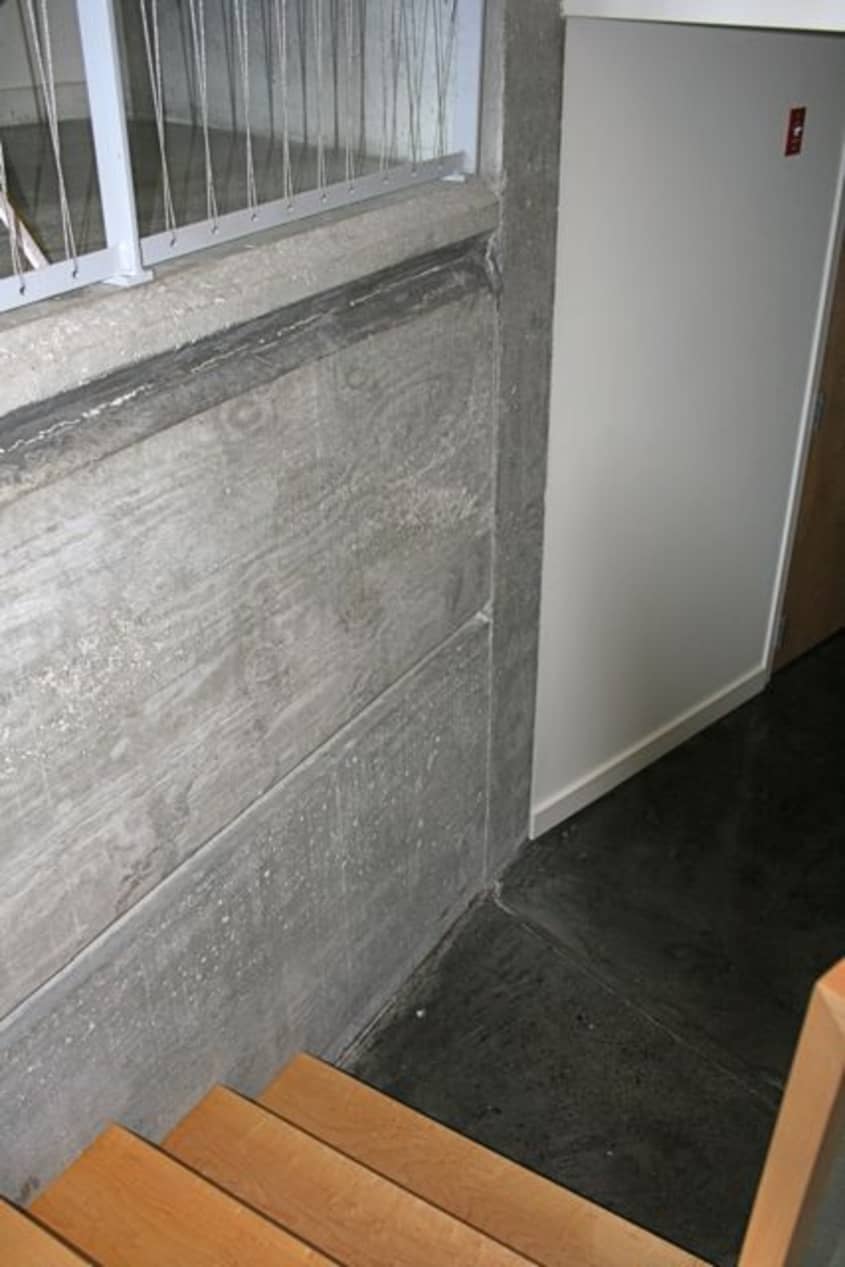
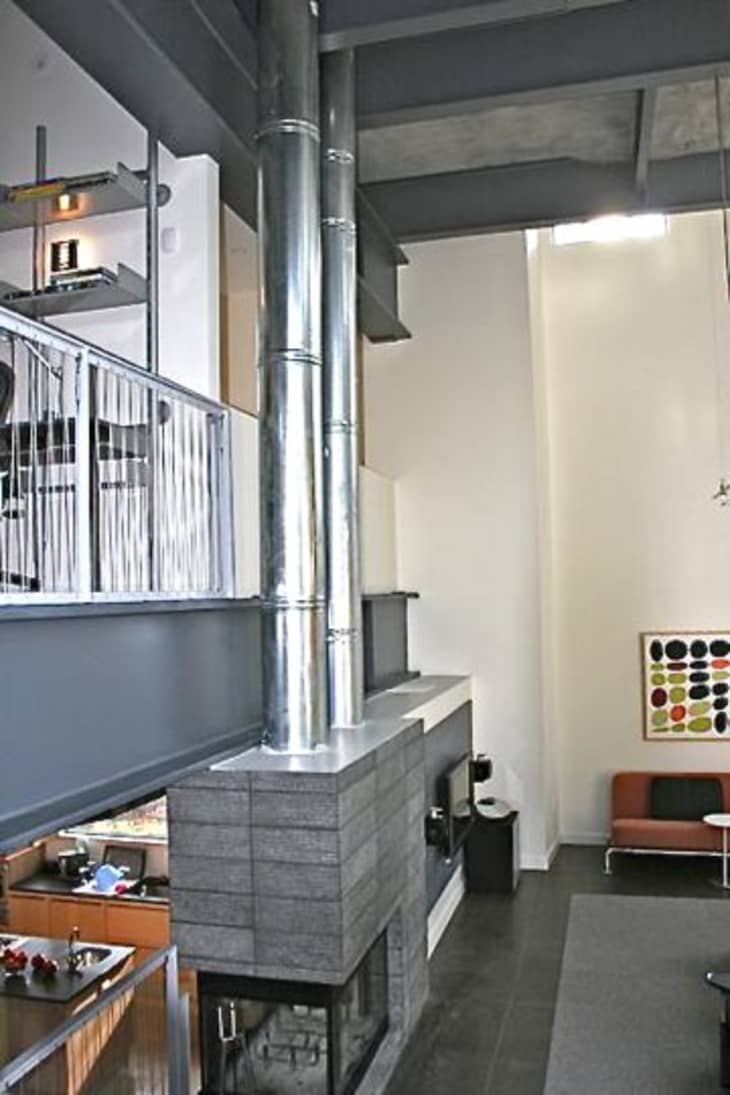
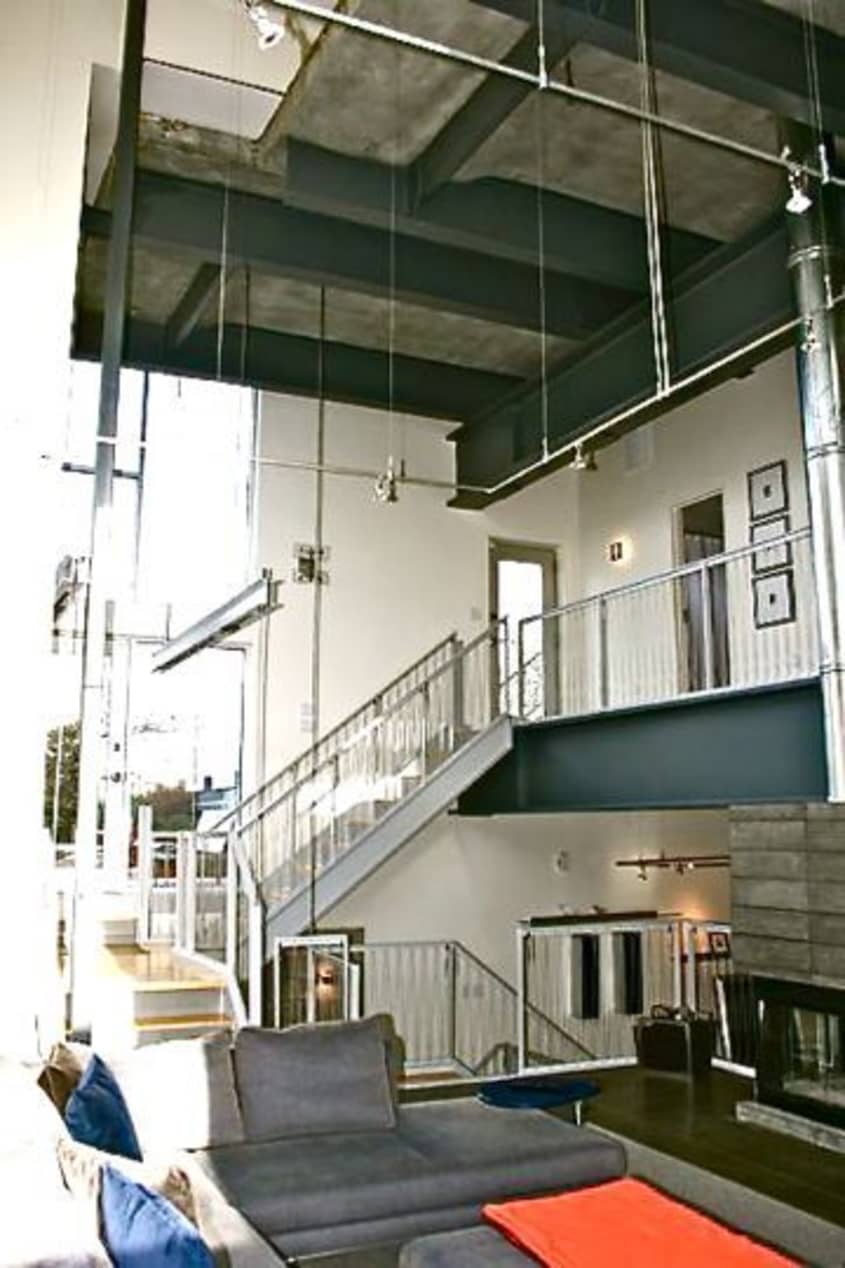
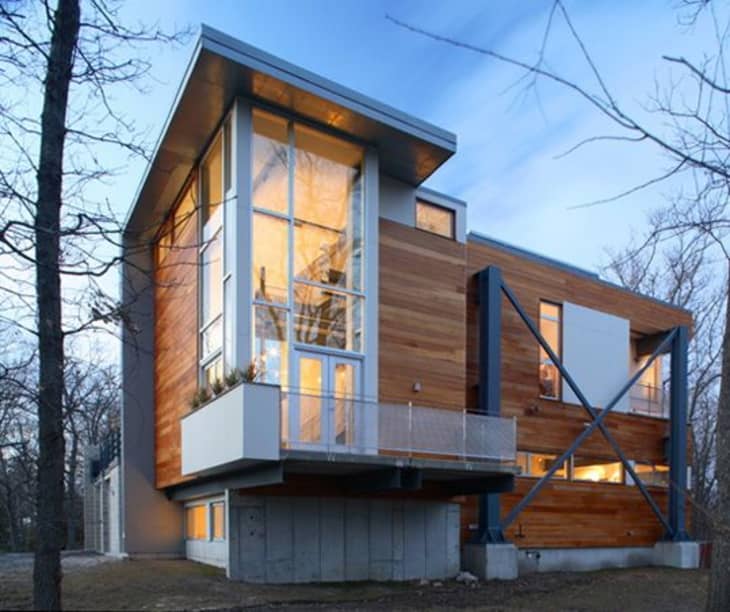
Living in such an unusual space turns conventional decorating on its ear. It is a house where art is the steel beams, and wallpaper is the raw concrete. Click after the jump and we'll take you on a unique house tour where the architecture is the star of the decor.

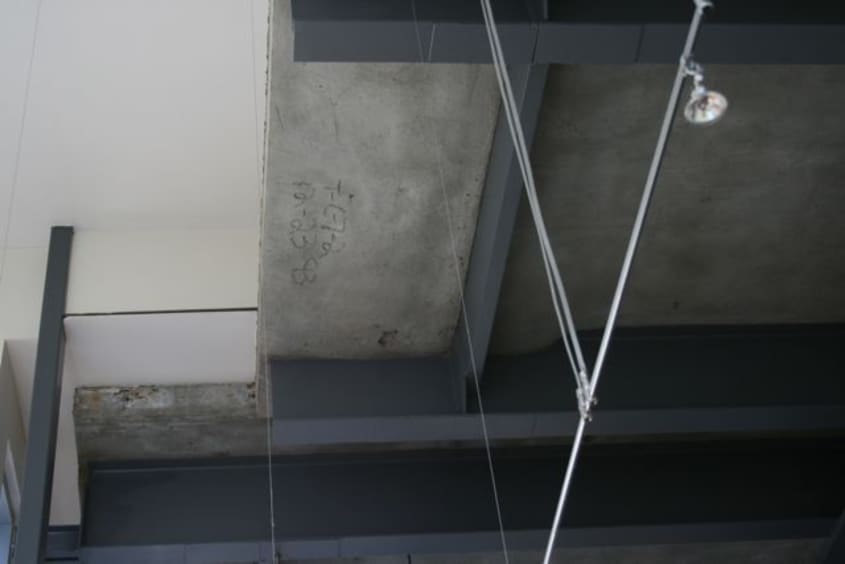
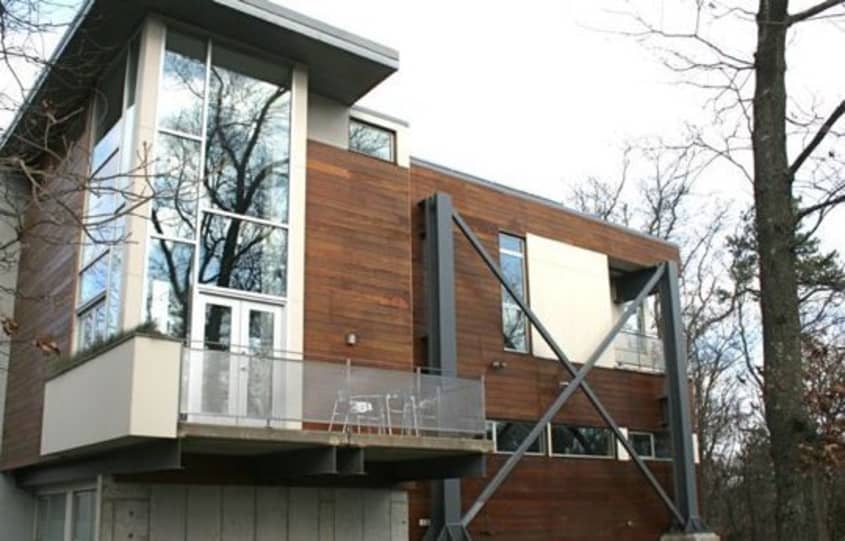
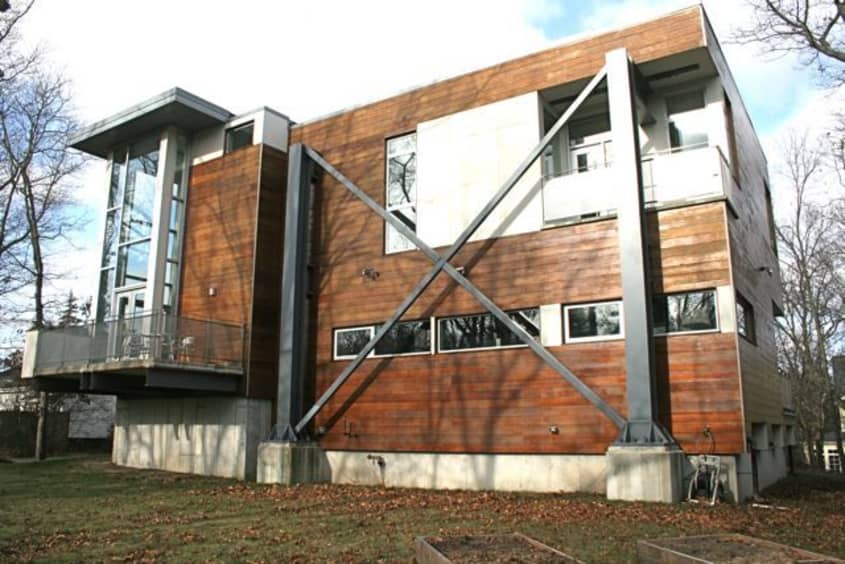
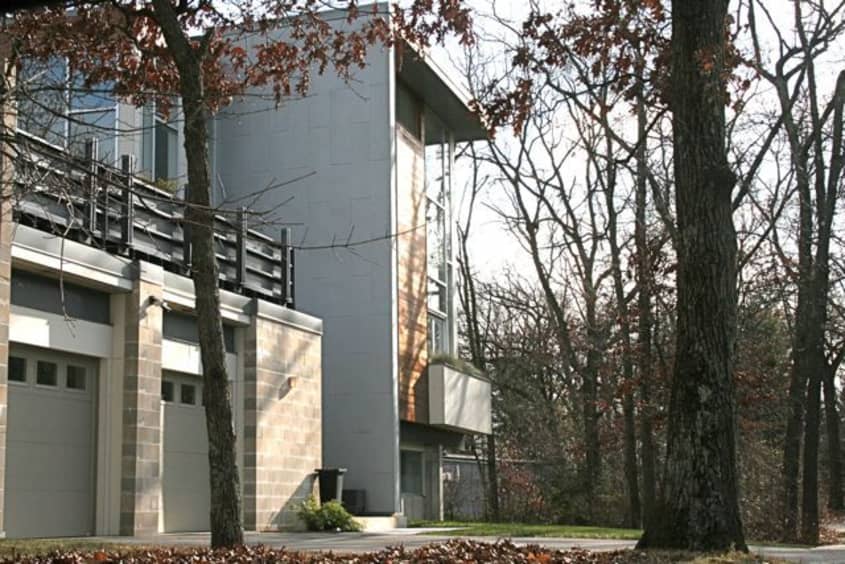
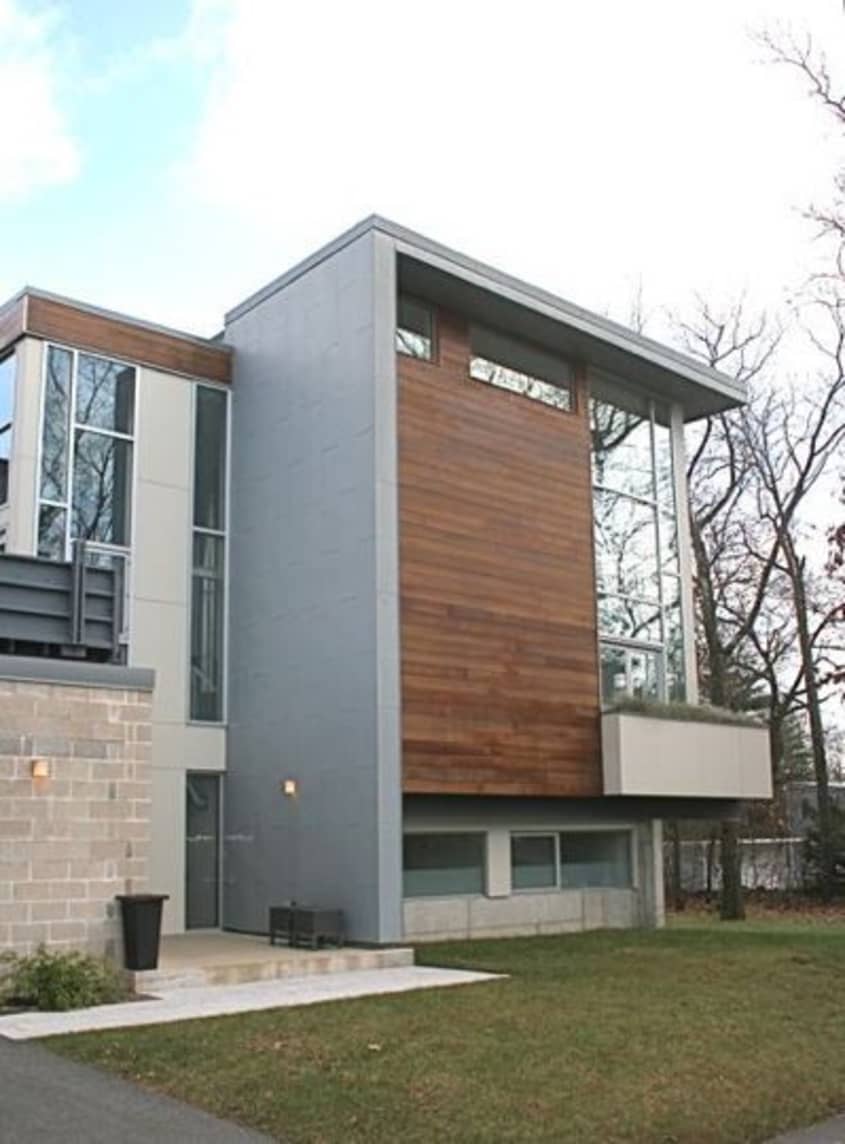
If you don't know the story of the "Big Dig House", its history includes using over 600,000 pounds of salvaged raw steel and concrete from Boston's massive Big Dig highway project. The home's original owner was a civil engineer involved with the Big Dig, which took down our congested, elevated, main I-93 expressway and replaced it with an underground central artery tunnel... after over 10 years and a whole lotta money. During its construction, the home's original visionary owner/engineer asked Cambridge architects Single Speed Design to do something unique and almost unthinkable in residential house design — they were asked to recycle and reuse some of the huge amounts of constructions waste from the temporary infrastructure put up in the Big Dig highway project as they designed his house. (The materials would otherwise have been put into a landfill.)
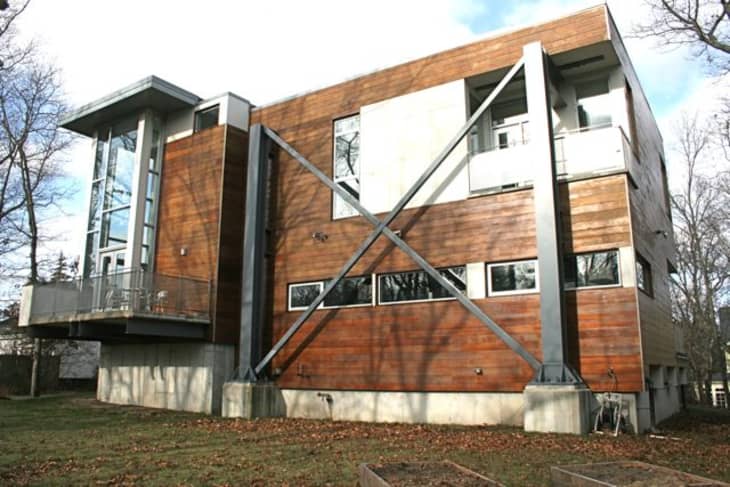
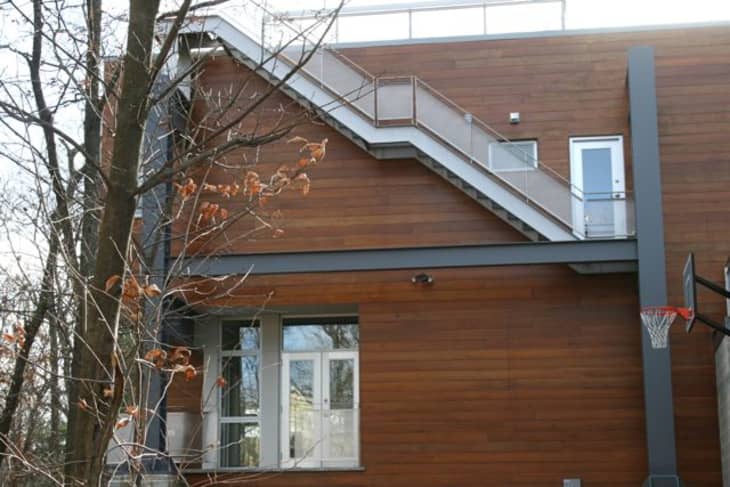

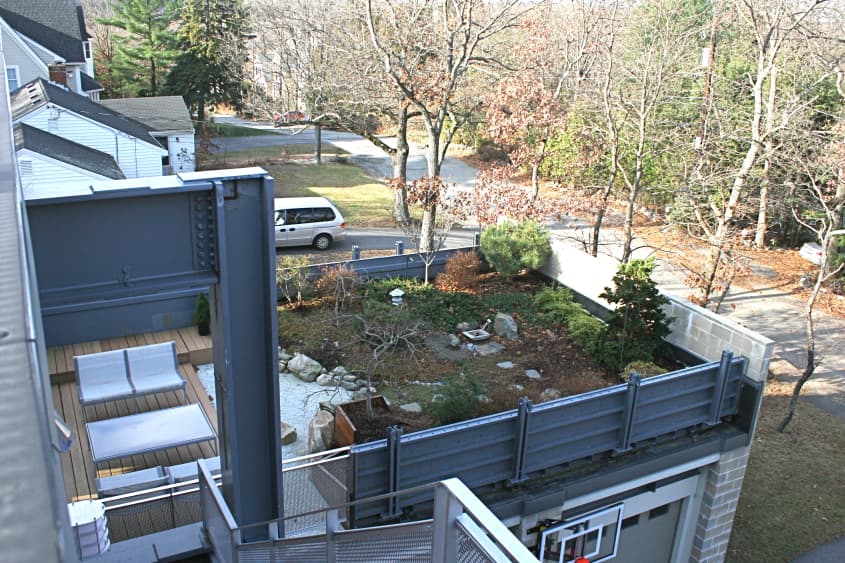
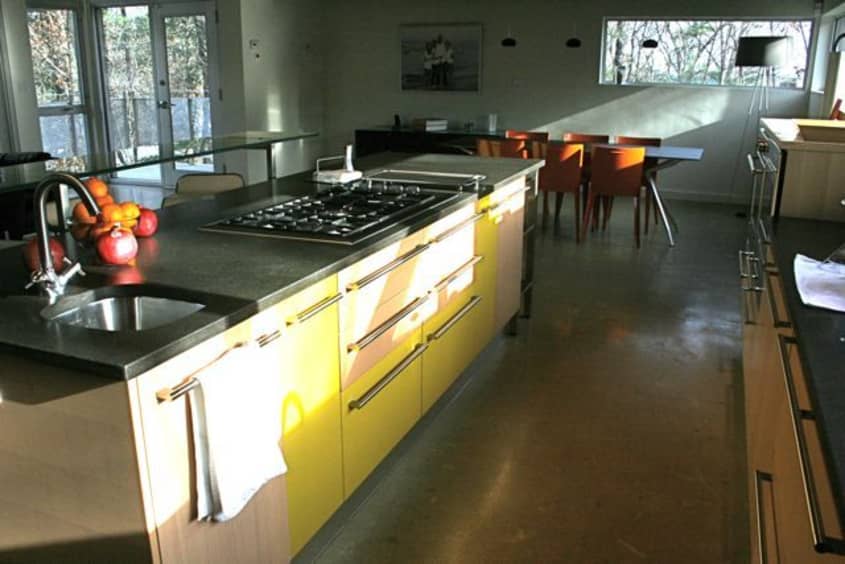
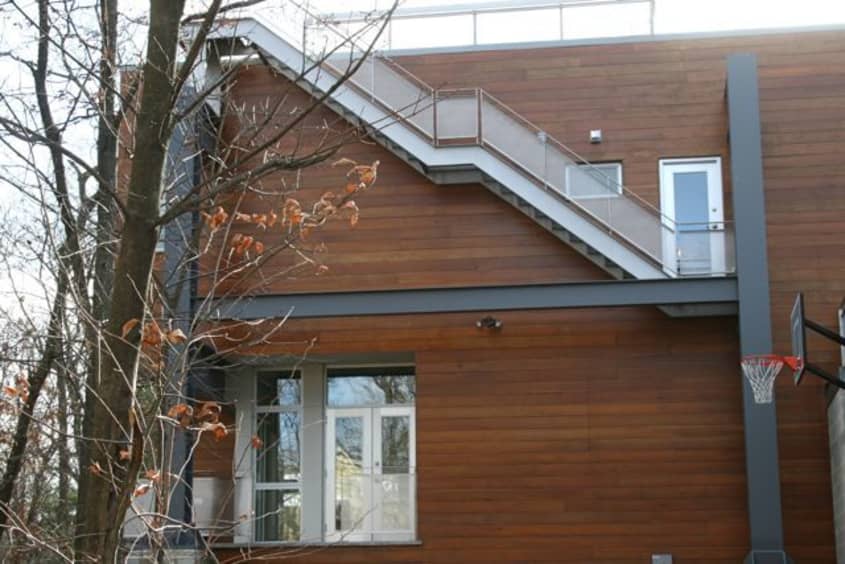
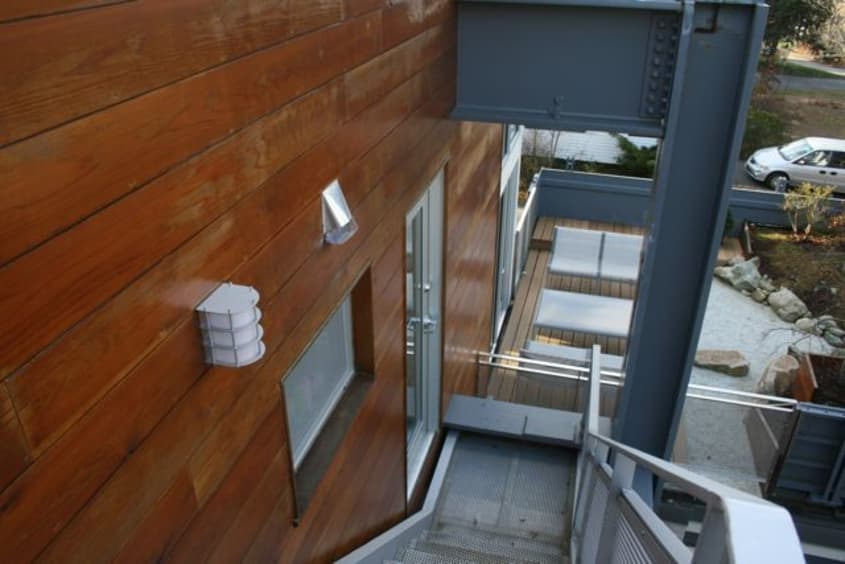
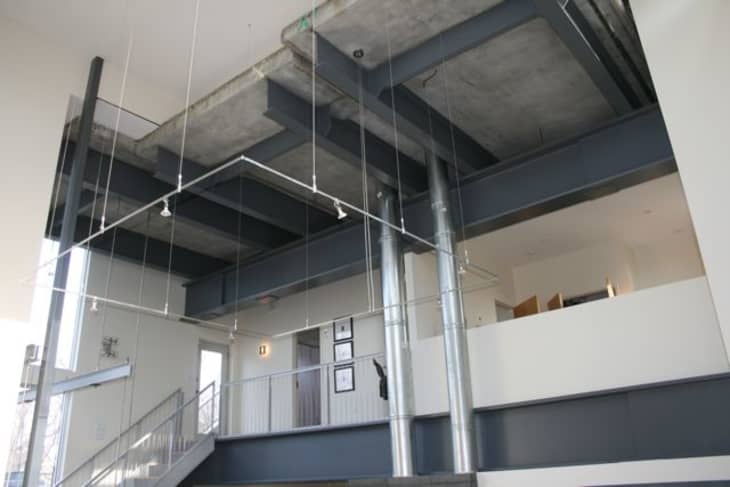
Thus the Big Dig House features a tour de force of reused material: steel columns, beams, and concrete for its frame and floors from the demolished I-93 off-ramps. A painted 27-inch wide girder from the walls of Storrow Drive even helps brace the roof. Concrete roadway was reused for the floor, and the home uses radiant heat which supplements modern Runtal radiators. The home's strong steel and concrete frame can support two roof gardens, including a Japanese garden with trees over the garage. The original owner's wife is a water resources engineer and her eco-friendly touches include a system where rainwater is collected underground in a salvaged cistern and waters the roof gardens.
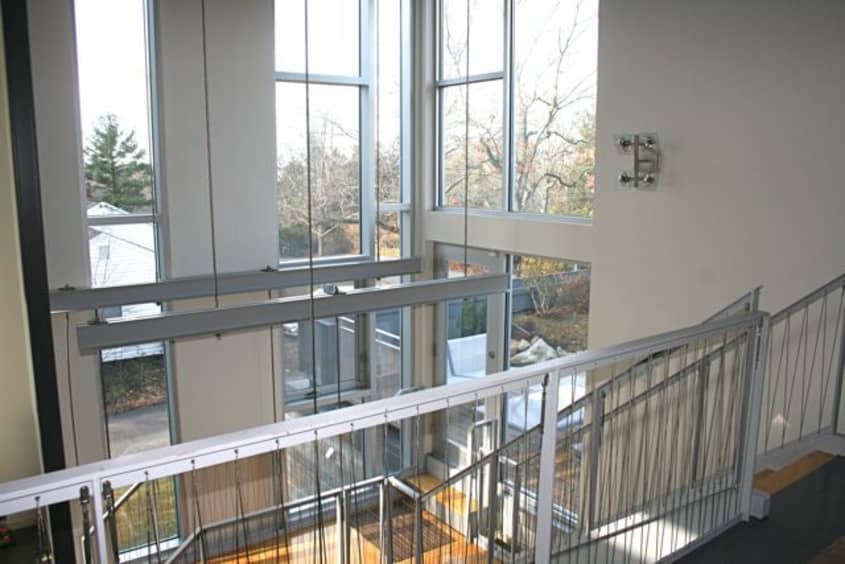
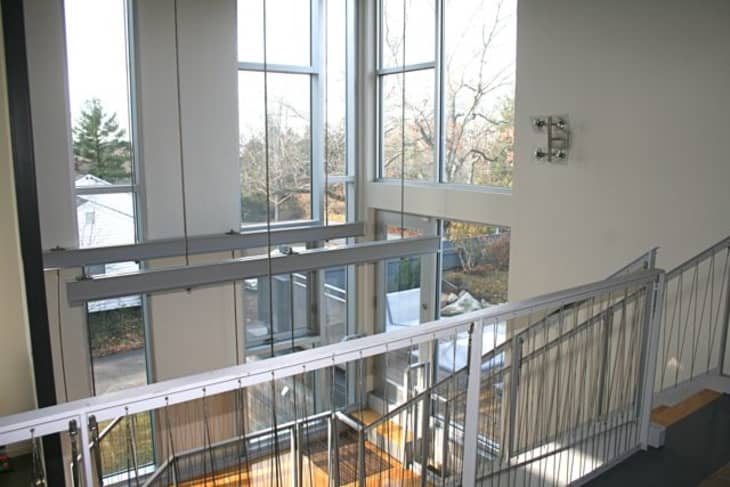
According to two books that Marc graciously lent us, labor costs were kept to a minimum because the materials were mostly used without being modified. The framing was completed in less than two days (!! this usually takes about 6 weeks). Most houses have exterior load-bearing walls, but the Big Dig House's outside walls aren't load bearing, and instead rely on the massive steel beam structure throughout. This features allows the huge expanses of uninterrupted windows.

Marc's family used to live in the same Lexington, Mass. neighborhood and had fallen in love with the unusual house as they watched it being built. As the house was being constructed, running by it on his daily jog, Marc eventually met and talked to builders, learning much about the unique house, but never dreaming that he and his family would live in it one day.
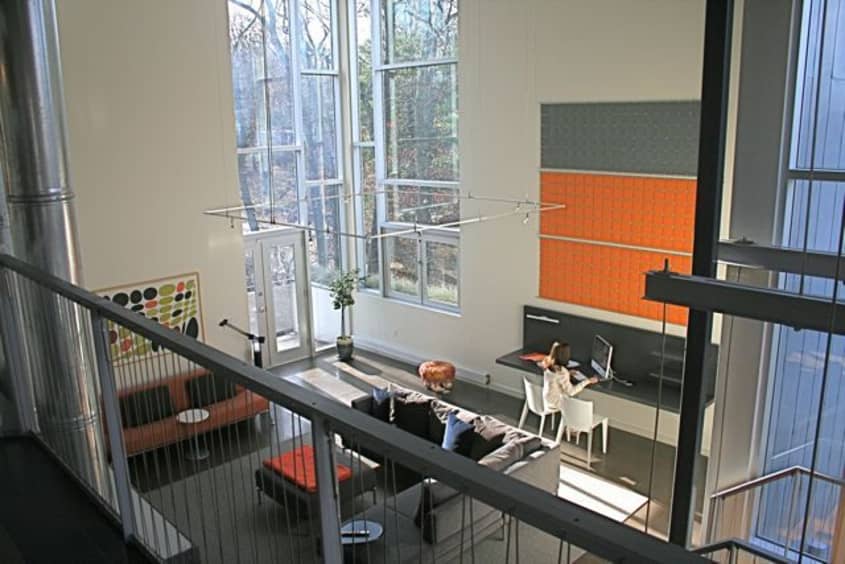
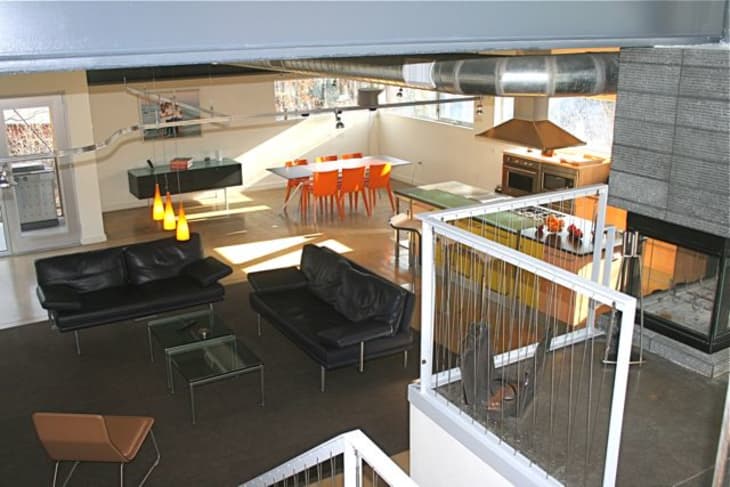
The key to living in a house like this is that the architecture acts as kind of a furniture in itself. After hanging out in their house talking to them for an hour, the modern elements felt so natural, that the beautiful modern furniture we were surrounded by was barely noticeable. This is the opposite of the typical AT apartment tour where you start with a standard house and fill it up with unique furniture and decorations to make it your own.
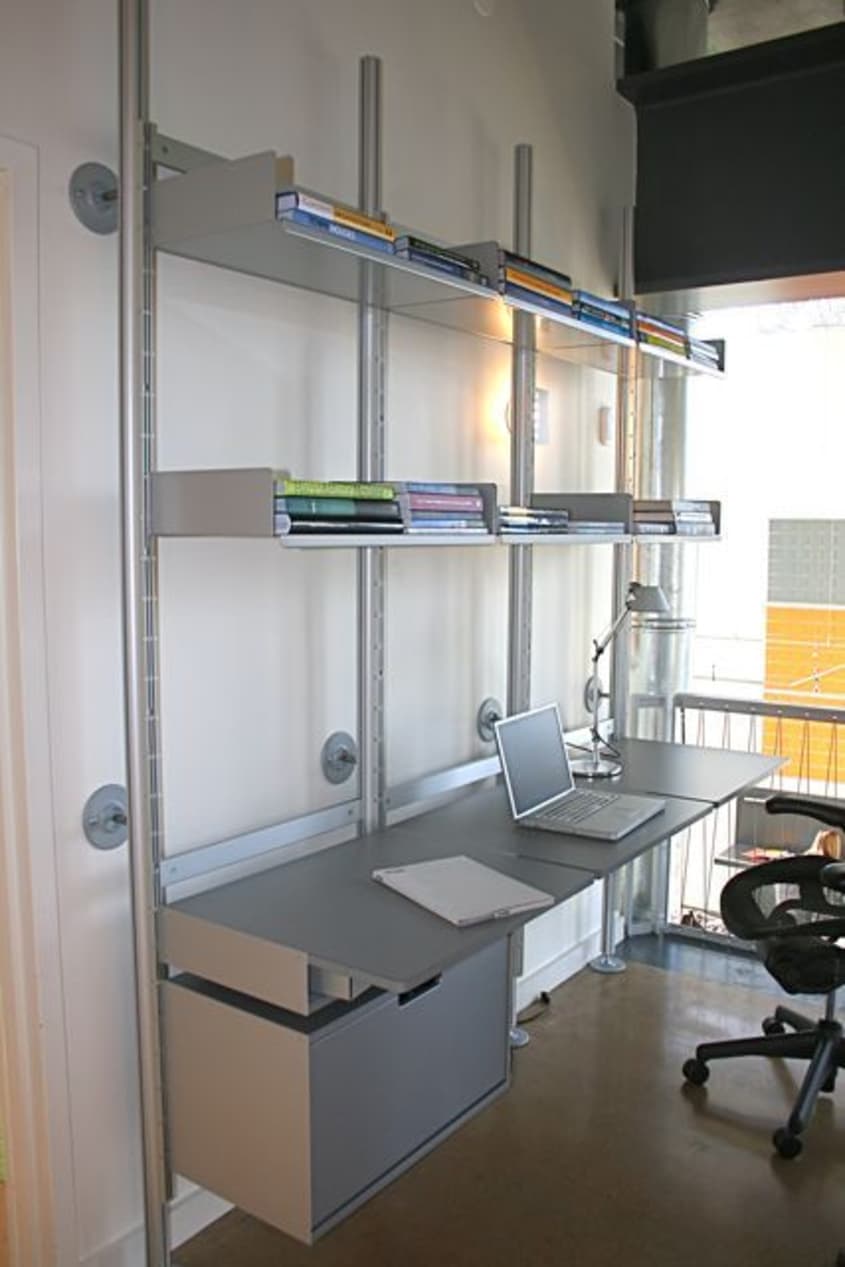
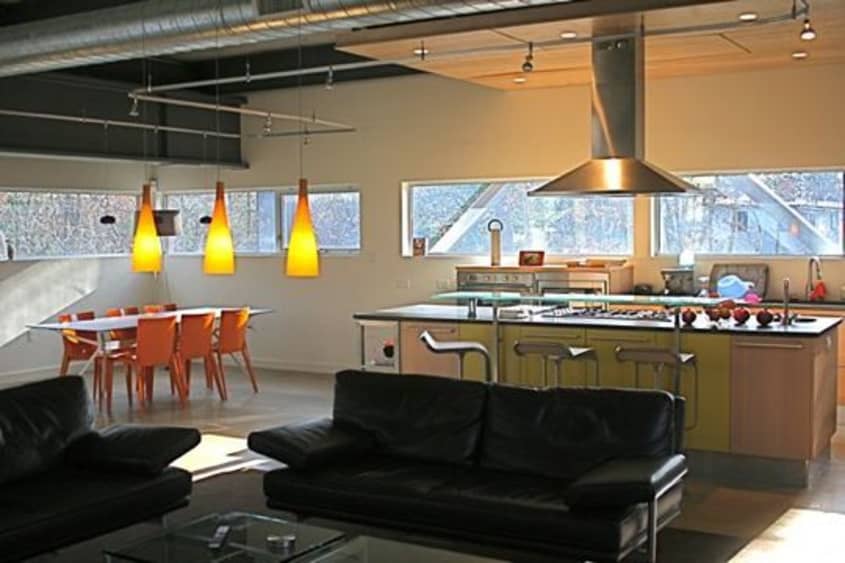
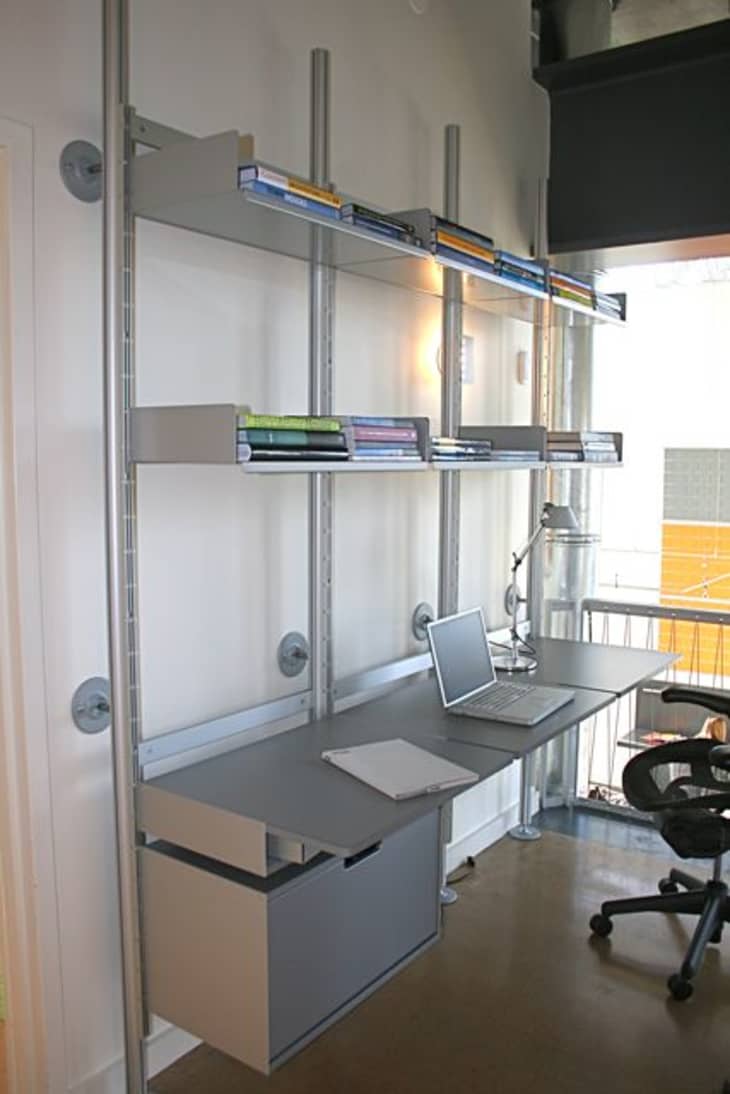
Marc's furniture taste runs to the modern as you can see, and most of the furniture was simply moved from their other house. Many of his furnishings are recognizable from DWR, and they use Artemide lighting and FLOR tiles throughout the house. We particularly loved seeing Dieter Ram's wall shelving unit from the 1960's in person — we had only ever seen it in books. Conspicuously absent are window treatments, so the view becomes part of the house. Luckily they live on the top of a hill surrounded by massive trees, so privacy isn't an issue.

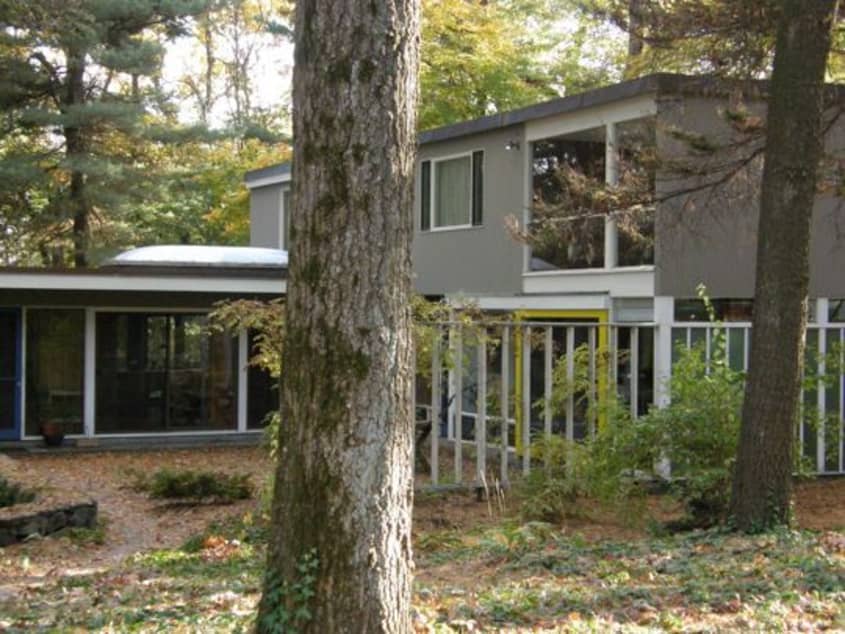
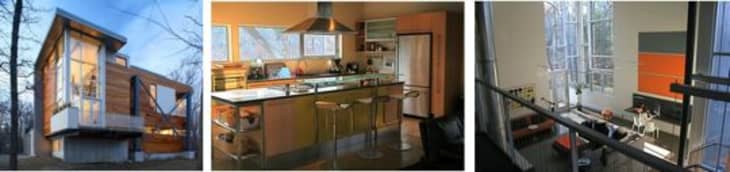
Bauhaus founder and Head of the Harvard Graduate of Design Walter Gropius, formed The Architects Collaborative, an architectural firm that was itself an experiment in collaborative design. TAC was also known for reusing and recycling materials first developed for other uses (plexiglass skylights from bomber plane gun turrets for example). A house around the corner from theirs is in the first photo here.
The house won the AIA/Boston Society of Architects Housing Design Award in 2006, and has been featured in numerous books and magazines such as Metropolis and The New Yorker. We hope that you can appreciate the reused materials which make it, and the ecological and pioneering spirit in which it was made. Also the love in which the owners have for their special house.
(Thanks, Marc!)
>>


Comments (26)
Wonderful! Such a treat to see inside a very iconic New England modern home! I've seen a lot of coverage of this home in print but never a glimpse into that fantastic master bedroom... lovely.
Can't get enough of this house. Love the high open ceilings.
I love this house and the idea of using reclaimed construction materials. Beautiful!
High praise for reclaimed materials, and the rooftop plot of garden is a keeper, but I personally prefer warm and cozy, a couple of qualities this place lacks.
Be careful not to cut yourself.
I got the chills justlooking at this house.
It's wonderful the family just loves their house and the history behind it but it's not for me. It gave me chills too but not in a good way. of course thinking of the Big Dig doesnt bring back pleasant memories either.
Thanks for sharing, tho.
i love the light.
Holy cow. It's not my personal taste, but it's amazing.
I guess it's aptly named the "big doll house". I like it.
It is a real hit and miss for me. I respect the salvaged materials, the exterior shot is pretty cool, more trees and landscaping would be nice eventually.
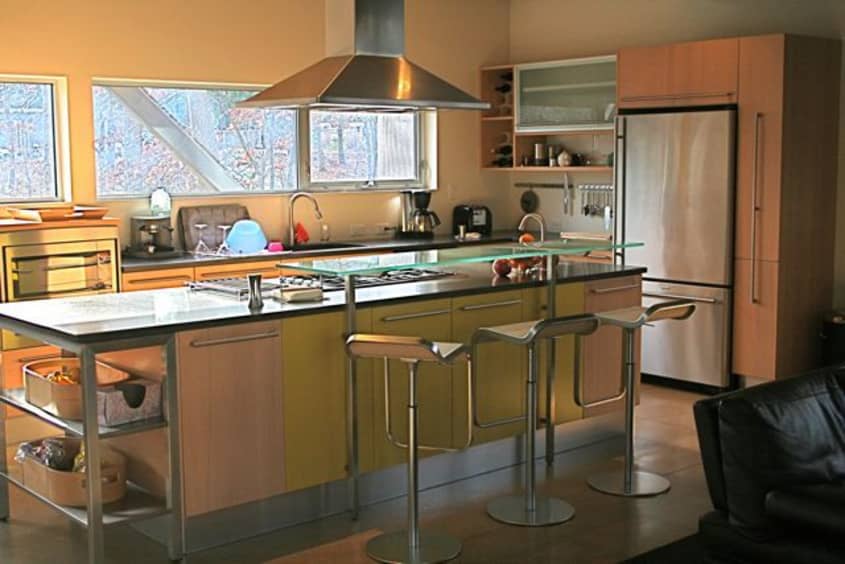
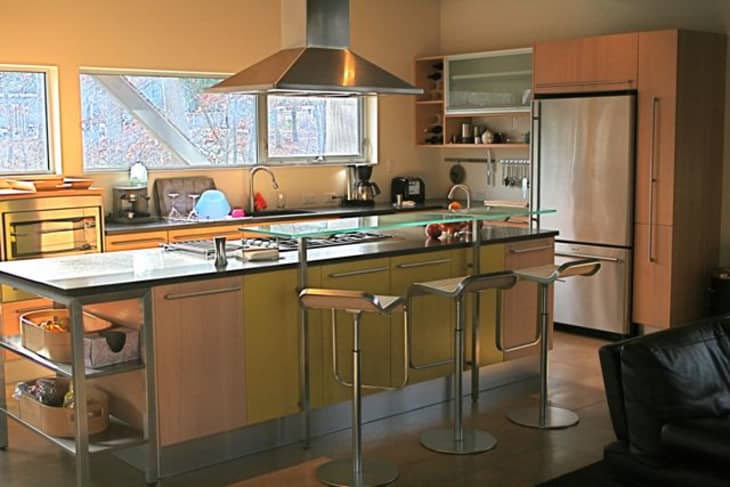
The kitchen is really off, personally I don't like maple veneer but the chartreuse panel with the cantilevered green glass counter is funky in not a good way. I do not like the linear -long hardware either, its too bad because it could of been more simple or industrial to work better with the rest of the space.
I do not care for those yellow/orange pendants either.
The furniture could be more eclectic and warmer, less rigid and cold.
I would of liked to seen more of the darker wood used for the exterior in the interior and it just needs more warmth and texture to make it more interesting. Its a bit flat and uneven. What do the electric bills cost to heat that place?
Overall wow it an amazing home to have and quit the endeavor.
Not my usual style of preference, but every rule is made to be broken. Hence: Would I live here? O HELL YES. I feel euphoric just looking at it.
Amazing place. The inside photos however look like scans from an old magazine - what happened?
Incredibly ingenious to reuse material from another project that would have otherwise gone to waste. Kudos for taking the extra energy and designing to accomplish such a wonderful result from highway construction material.
PS. I remember reading an article on this house in Dwell a while back; what happened to the pool table in the kitchen?
Does anyone out there find it ironic to design a "recycled " house that is so huge and open that it probably takes huge amounts of energy to heat (or cool) for that matter. Seems like another example of excess and waste to me.
I am sure it is lovely for the owners, plus all the prestigious awards, but who would feel comfortable there? Imagine laying in that stark and open room when you are sick with the flu!
We need to start rethinking what we glorify in this Maybe I am a spoil sport but this house is a clear so-so to me!
Wow... amazing! I would not change a thing. Congratulation!
... I meant "Congratulations!"... sorry.
Congratulation just beautiful! I love that you kept the inside simple and made from recycle material is a plus.
I think the house is amazing. I thought it would seem cold, but the radiant heat surely helps give it a cozier feel. I would love the LIGHT from all those windows. It would be cool to live in for a while, just to see what it's like. It would make an awesome home office for an architect, or a museum someday.
Ayn Rand would surely approve.
While I applaud the use of reclaimed materials, I don't think I could live there. To me it looks too industrial. I could never feel at home in such a stark and cold environment. Each to his own, I guess.
Chock full of awesome! I love it.
it's not quite an apartment and it doesn't feel like a home to me. when is the family moving in?
Beautiful, but like a previous poster mentioned, I'd think it'd be expensive to heat in a Massachusetts winter like we're having this year.
Also, for as "open" as the home is and as wonderful as the windows are, am I the only one who thinks it presents itself in these pics as a little dark? Kind of wish there was even more natural light for the size and openness of the space.
I'd take it, as is, though :-)
amazing
This is Marc (of Marc & Lana). Thanks for all of the comments, all fair and to each their own, as they say. It's a fairly efficient house to heat, but it is NE and it is a big volume. It's still a bit cluttered for my taste but with a family of four, well what are you going to do (add another punishment drawer for anything left out for more that 10 minutes - maybe). If your ever in the neighborhood and have an interest feel free to send me a note and I'd be glad to show it to you live. Photo's, as good as they are, never do it justice. Kind regards, Marc
this house is bad A
Hi Marc,
I know I am several years late to this thread, but wouldn't mind taking you up on your invitation to view the house. I am interested in using the architecture firm SsD that built the place for our own house. Please let me know if your invitation still stands.
Thanks so much,
Henry (hesuhesu@yahoo.com)