Garden pests are one of the few things I find frustrating about gardening. Whether it's the snails taking over your lettuce or the aphids sucking on your roses — it's definitely annoying — but not a reason to fret and reach for harmful, toxic sprays. They might eliminate the pesky culprits, but they are harmful to you and the environment. Instead, try whipping up one of these simple recipes with ingredients you most likely have on hand.
What You Need
Spray bottles
Biodegradable liquid dish soap
Lemon or orange essential oil
Cooking oil
Baking soda
Garlic
Chili powder
Water
Instructions
Natural Insecticidal Soap Spray
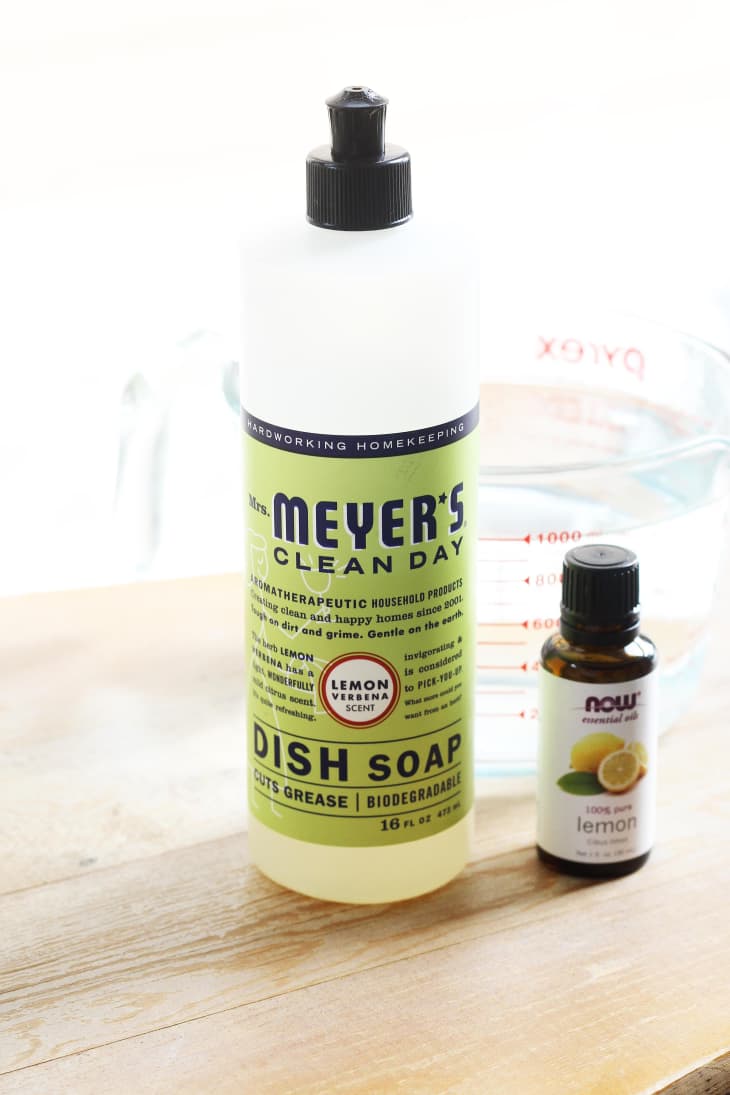
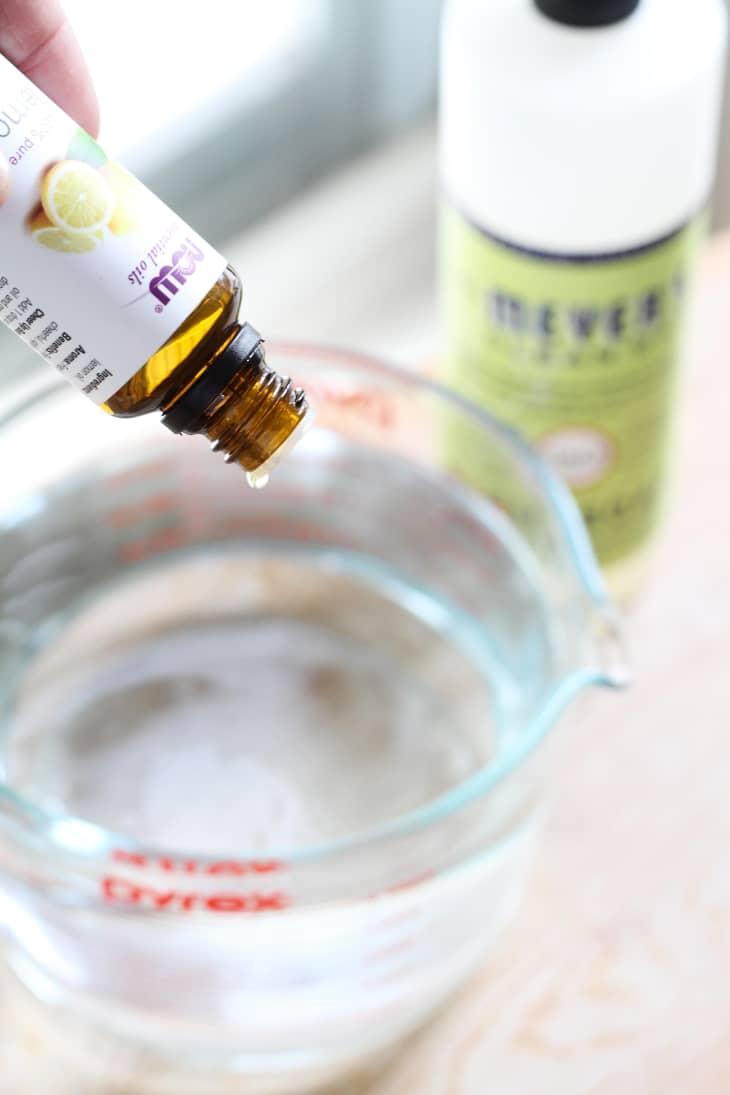
This is by far the spray I reach for most often. It's easy to make and keep on hand, and should take care of most of those annoying common pests such as aphids, mites, white flies, thrips, and mealy bugs. It kills them by attacking them at the skin, suffocating and therefore eliminating them. I like to add a few drops of orange or lemon essential oil, which is in itself a natural insecticide, especially effective against ants and scale, and it also helps the the spray stick to your plants.
1 1/2 tablespoons of liquid soap
1 quart of water
A couple drops of orange or lemon essential oil
Use a biodegradable, liquid soap (such as Murphy's oil soap, castile soap or Ivory), to make the mixture. Add water and essential oil to the spray bottle and shake. Spray your plant thoroughly, making sure you cover the underside of the leaves as well.
All-Purpose Garlic Chili Spray
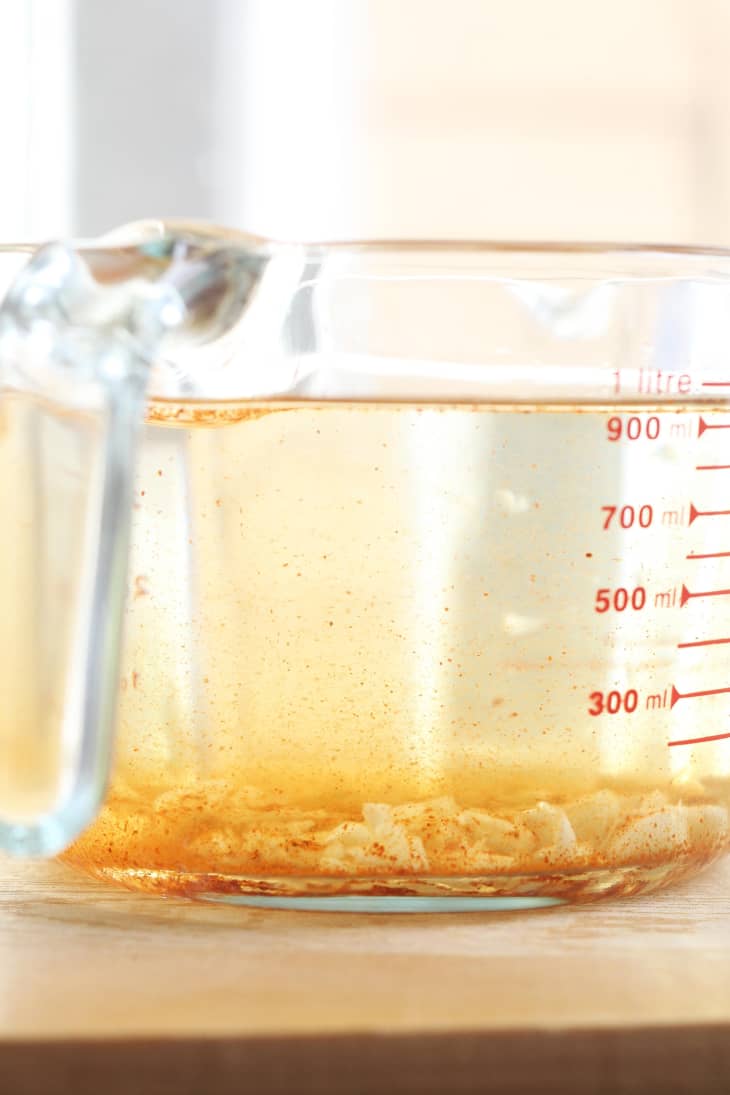
Pepper and garlic are both natural insect repellents and will help to repel Japanese Beetles, borers, leafhoppers and slugs. Garlic also deters larger pest like deer and rabbit.
Natural Insecticidal Soap Spray (from recipe above)
1 tablespoon of chili powder (you could also use fresh or dried hot peppers)
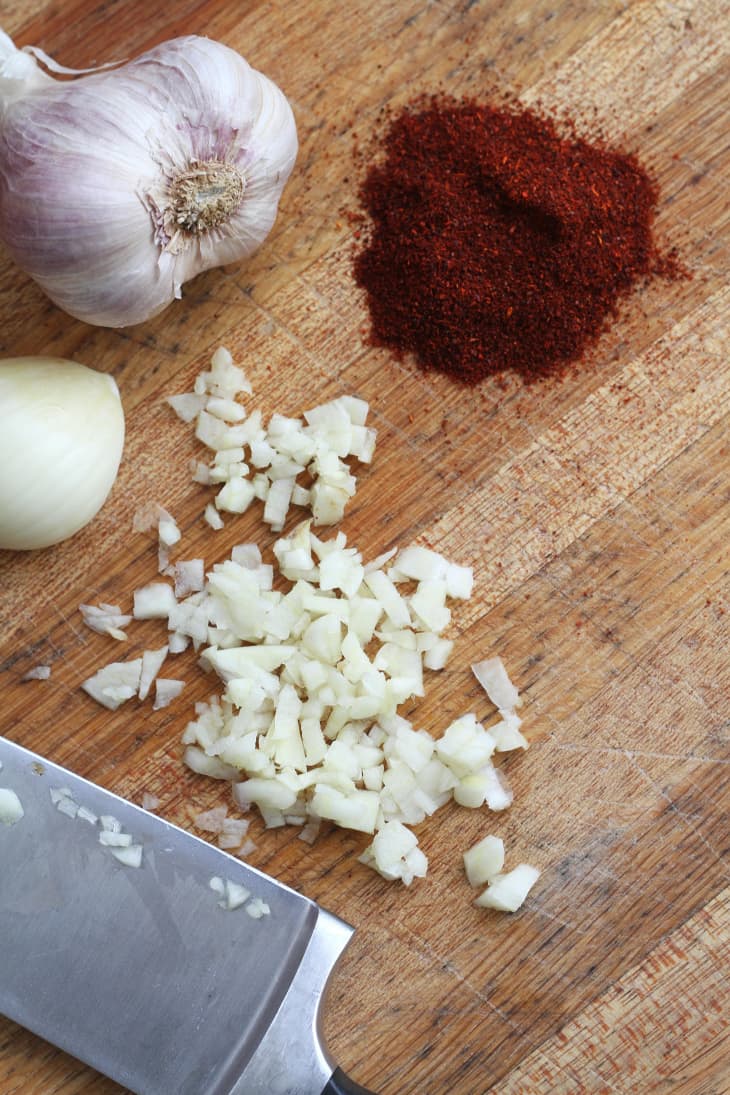
5 cloves of garlic, crushed and cut roughly
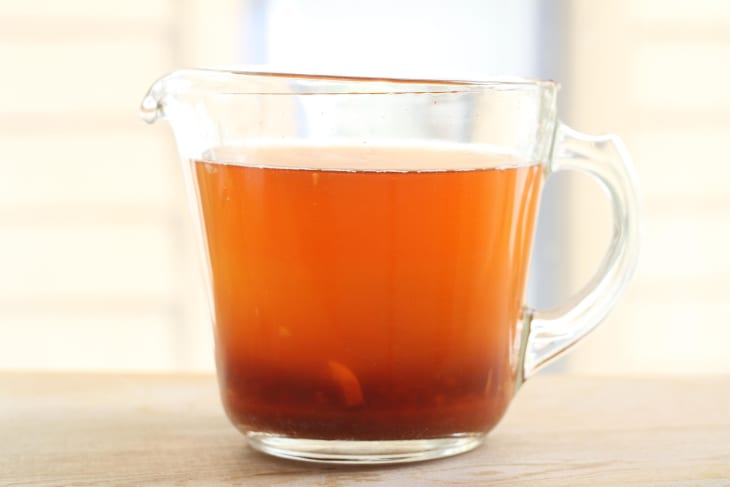
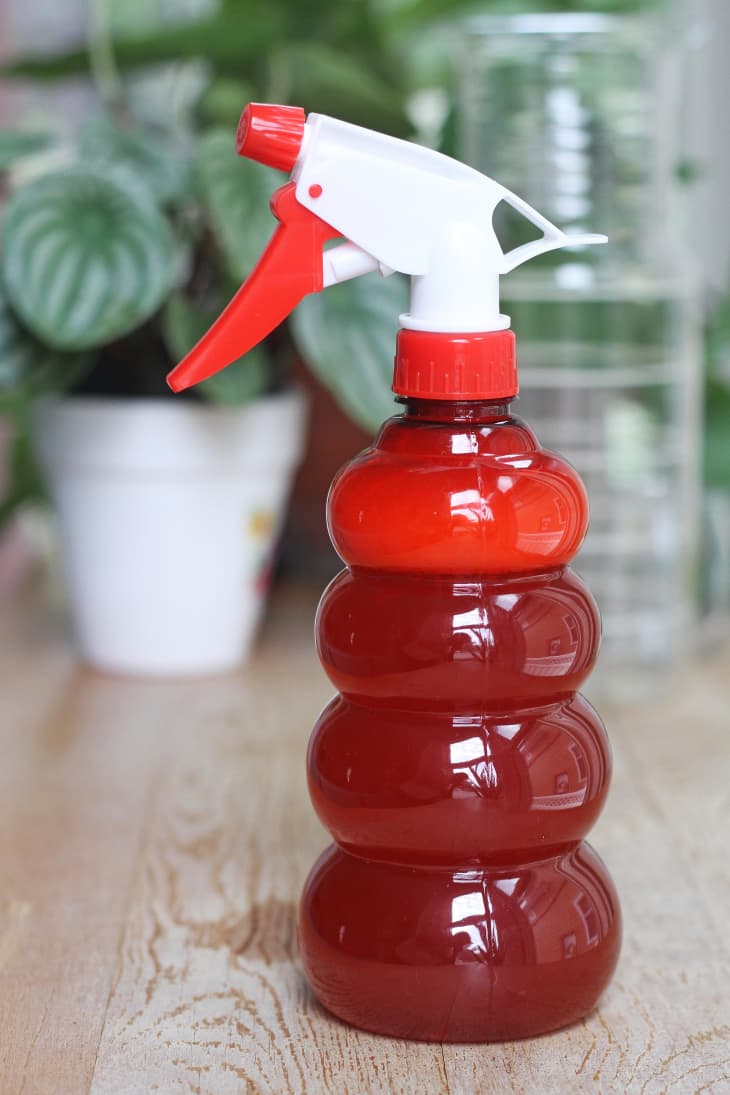
Allow garlic and chili powder to steep overnight. Strain and pour into a spray bottle. Add Natural Insecticidal Soap Spray. Should keep for a couple weeks.
Baking Soda Spray
This spray is great for treating plants with fungal diseases. There is nothing quite as frustrating as discovering your plant has an unsightly case of mildew, a type of fungal disease. Suddenly your beautiful green cucumber and squash leaves are replaced by patches of grayish-white blotches.
1 tablespoon of baking soda
1/2 tablespoon of oil
2 quarts of warm water
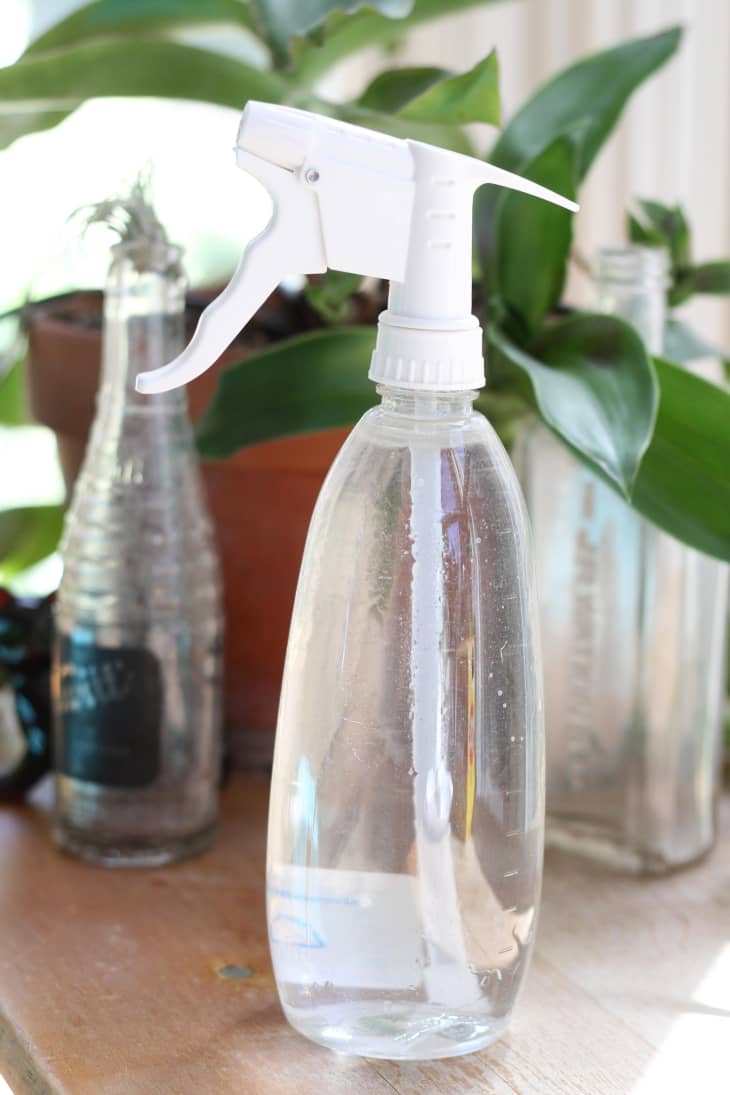
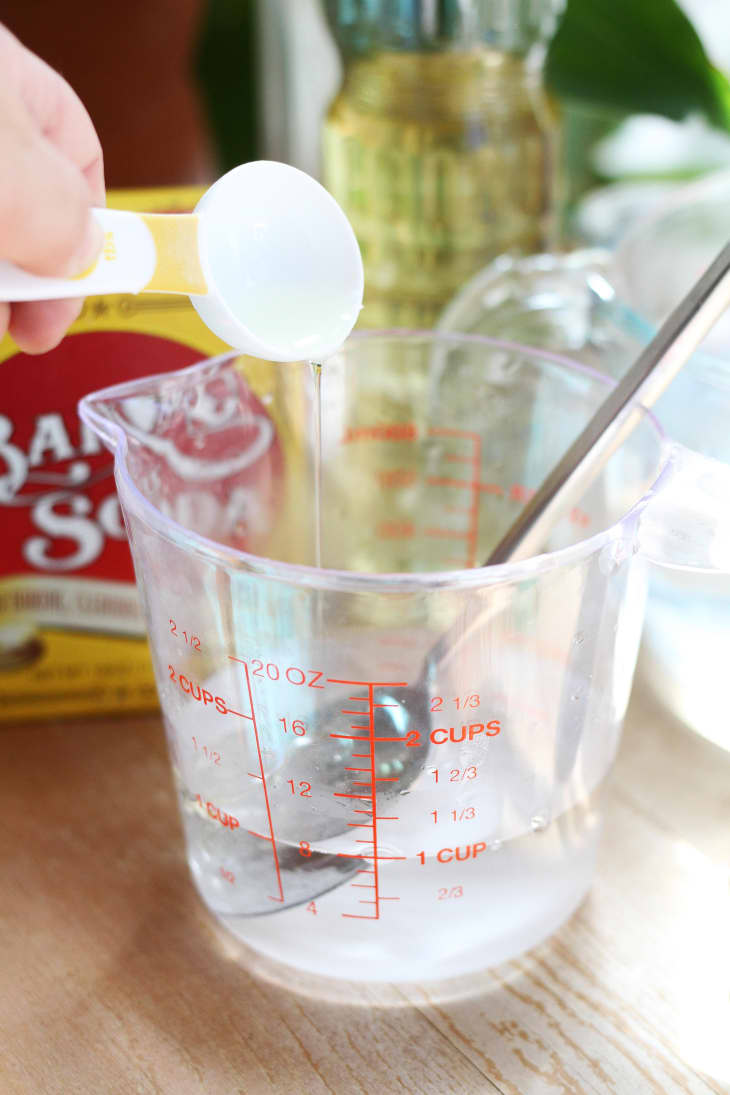
Add baking soda and oil to a cup of warm water until it dissolves. Mix in the rest of the water. Before attempting to spray and treat your plant, remove the most severely damaged leaves first. Then spray your solution, repeating every few days until it disappears. This mixture is best made and used immediately.
Additional Notes: It's best to spray your plants in the morning, before the sun is too hot or you run the risk of burning the leaves of your plant. And while these spray are non-toxic and less harmful than commercial pesticides, they will kill beneficial bugs along with the harmful ones. I recommend using these sprays sparingly, only treating the infected plants.
(Images: 1, flickr member Mullers, licensed for use under Creative Commons; 2-10, Kimberly Watson)


Nomade Express Slee...
For fungal problems, a mix of nonfat milk and water, 1:1, works beautifully, and doesn't add salts to the soil like the baking soda mixture does.
Thank you for a very helpful and timely article. I will be trying these recipes soon.
You should really be using proper insecticidal soap. Proper insecticidal soap is better at eating away at the waxy coatings on small sap-sucking insects like aphids, thrips, and mealybugs. More importantly, I would like to emphasize that proper use of normal pesticides is often better for the environment than organic solutions, because a smaller amount will do the trick. 'Pyrethrin' breaks down completely in 12 hours of sunlight, and is just a synthetic recreation of the same molecule found in chrysanthemum seed pods. It is probably the most common off-the-shelf pesticide because it breaks down fast and is almost entirely non-toxic. There are other common pyrethroids (like those in most roach sprays) which are actually engineered to take longer to break down. These are only problematic if they are allowed to soak into the soil where there is no light to break them down, and a lot of beneficial insects. So thats my schpiel. Use the smallest amount possible, don't let it soak into the ground, and if you want to be super safe use proper insecticidal soaps and pyrethrin - they'll kill pretty much any bug, and they break down in about a day. The University of California IPM (integrated pest management) website has great, detailed information about how to be environmentally conscientious while protecting your crops, if you want to learn more.
i've tried soapy water on the aphids attacking my brussels sprouts with great success.
now if i can only find a non toxic way to combat the most relentless enemy: oxalis
Do you know anyone who would lend you a goat for a few hours? To eat the oxalis? That is some sort of a cress, isn't it? No, wait, it's sorrel, I think.
Sounds edible anyway. (We wouldn't want to poison the goat.)
I've been fortunate in that the only main garden pest I've had so far are snails.......anything for those?
Although I've found that just being vigilant about them (going out and plucking them off, then smashing them on the sidewalk which the vigilant neighborhood birds always come by and clear away) has reduced their numbers appreciably. It's just a bit gross.
For snails, bury an open can of beer in the ground- they love beer. They fall in and drown. Depending on the size of your snails you may need to make the hole in the can a little bigger to admit them, but not too big or they might be able to get out.
This may be a stupid question, so please pardon me, but does the open beer trick work for slugs as well? I'm a recent convert to this whole "going outdoors" thing...
I'd be careful about using some of these...because they will kill some beneficial insects too. The bad insects emerge before the beneficial predatory insects. For aphids, use a strong spray of water. That actually kills the aphids because it rips their mouths off. Then the ladybugs and predatory wasps will appear and eat them up.
@ MINUET42
yes, beer works great on slugs too! we put a a small saucer out with about 1/4 inch of beer in it and overnight it's covered in slugs and snails.
Biggest drawback is disposing of the plate! Seeing that mess of beer, slugs and snails in the morning will really make you not want to drink the stuff :)
Thanks, Mr.JoshQ!
Do you have any solutions for potato bugs?
Oxalis is totally edible, why kill an edible plant? Does anyone know if a poison oxalis?
Using a liquid soap (I just use Original Dawn) mixed with water is effective against *all insects on contact*. You do *not* have to leave it on your plants at all, you can wash it off almost immediately. The soap kills insects like ants and aphids within seconds by degrading the oils in their exoskeleton. Washing the soap off right away will prevent the soap from degrading the oils in your plants!
This same soap + water mixture in a fine mist spray bottle is also very effective against all flying insects like mosquitoes, fruit flies and noseeums. Spray a fine mist where there are bugs flying and the tiny droplets will hit the insect's wings. The bugs will literally drop from the air.
A liquid soap 'foam dispenser' is also very useful for quickly killing a larger insect. Here in Florida there are big roaches. A single shot of foamed up soap will kill a roach and help prevent it from scurrying away. As an added bonus, you have already soaped up that spot for cleaning up after the dead bug!
To prepare a real natural and organic 'spray and leave on' insecticide, you can use a mixture of common essential oils like Rosemary oil, Thyme oil, Clove oil, Pepper, Mint oil, Citrus oil, etc. mixed with water. There is a commercial 'organic' pesticide on the market that is just one drop of Rosemary oil, one drop of Thyme oil, one drop of Clove oil, one drop of Mint oil mixed with 400 drops of Mineral Oil as a base. That is a 1/1/1/1 : 400 mixture. I find that using Mineral Oil as the base can actually hurt the plants (if you put on too much on, or apply it when it is too hot.) Instead of using Mineral Oil, I make my own organic pesticide by using distilled water as the base, plus a drop of Original Dawn liquid soap to help disperse the Rosemary, Clove, Thyme and Mint essential oils in the distilled water.
A 50/50 mix of a 3%Hydrogen Peroxide and distilled water, plus a drop of Rosemary oil and Wintergreen Oil helps fight plant molds and mildew too.
Any solutions for ants ??? Having a big problem with them.