
How To Paint Your Floors and Not Screw it Up
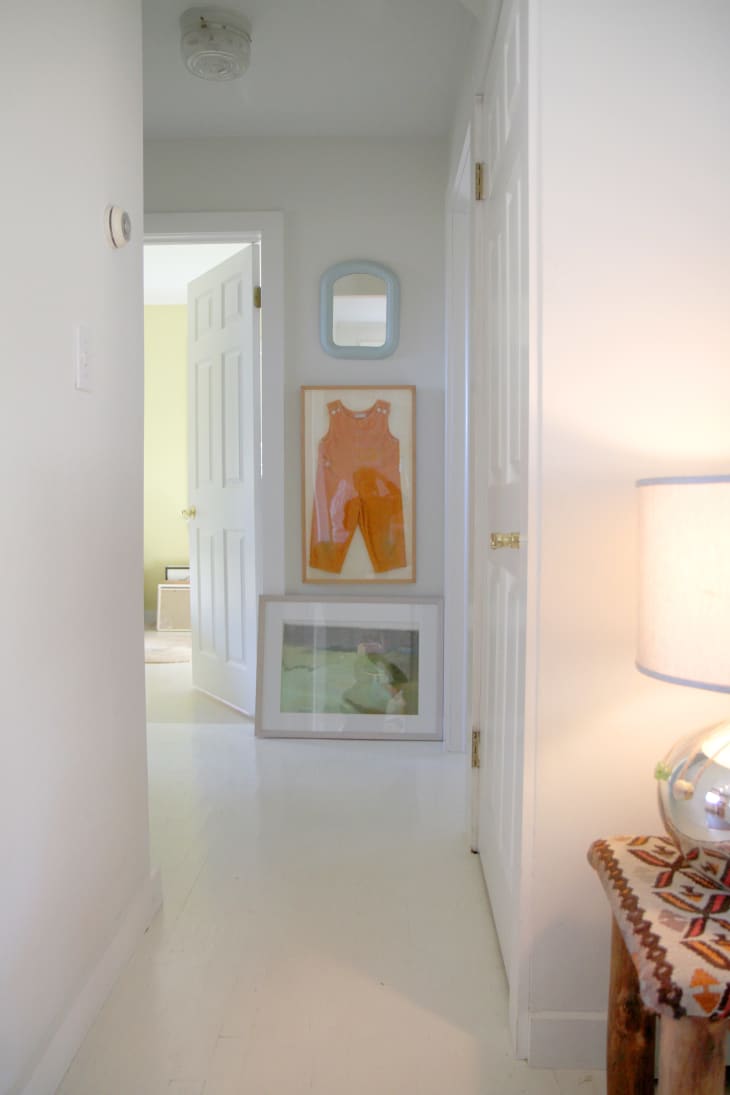
Years ago when I decided to paint the floors in my small summer house, most people were shocked (including my parents). Bare wood floors were so chic and such a staple of 90’s style, that painting them over and covering them up seemed sacrilegious. I didn’t think so anymore. See how they turned out…
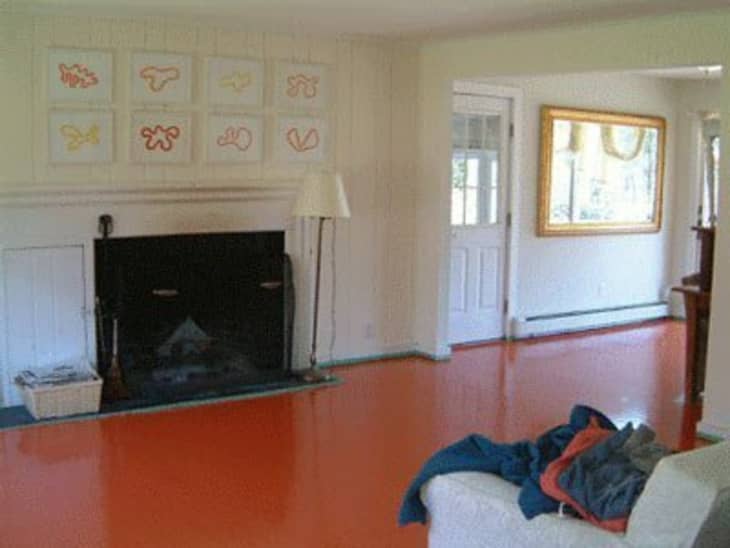
The floors were cheap, solid oak floors, in great need of refinishing. It was either hire someone to sand and polyurethane (which would have been messy and cost at least $2,000) or paint them myself with polyurethane based oil paint (cost: $200 for the paint + 3 weekends of my time).
INSPIRATION

The inspiration came from visiting my friend Charles’ house in Massachusetts that had been part of a Shaker community. All the floors had been painted and repainted for years in the richest colors. The house was warm and bright without the aid of carpets or rugs, and the idea seemed perfect for any summer house, where all you want to do is walk barefoot for days at a time.
It seemed easy to maintain, and removed all hint of preciousness to the floors. They just seemed practical and lovely, reminding me, as well, of the bright colors in Monet’s house at Giverny where he painted both the inside and outside with the bright colors of his surroundings.
HOW I DID IT, SCREWED IT UP AND THEN CORRECTED MYSELF
Moving the furniture was easy, the problem was working with the paint. I made a big mistake in laying the second coat on too thick and painting on a rainy day. The humidity and the thickness caused the paint to wrinkle, clot and appear dull and matted. I had to work hard to undo my mistake. Here are my new tips on how to do it right:
CLEAN
1. Vacuum and wipe down floor thoroughly to remove all dust and dirt
2. Use polyurethane based porch and floor enamel
3. If you want to improve adhesion to the maximum, it’s good to paint down a primer first. I have never done this and haven’t had problems indoors, but the by-the-book rules recommend it.
NUMEROUS THIN COATS
4. After cutting the edges with a brush, roll on a thin coat with a 1/4 inch roller
5. Roll at least two more thin layers and allow at least 24 hours between coats
DRY WARMTH
6. Keep the heat on if necessary (@ 70 f) to insure quicker, dry drying
7. Don’t plan to stay in the house (bad fumes) and keep the windows open a bit while painting
I found that the white floor paint behaved much better upstairs than the red that I used on the first floor and attribute this to the warmth upstairs of both the air and the floor itself (these were the first colors I painted). The result? A shiny, clean, beautiful floor that establishes a new style for the millenium.
While I would rather use a less toxic paint, at the time I painted a number of years ago, oil based polyurethane was my best bet. Now I see that most floor polyurethanes have switched to a water based solution.
Anyone have good recommendations on these?
I’ve also started to play around with Farrow & Ball paint, which is totally natural (expensive) and has a floor paint solution that is said to work well with their primer. I will show you a demonstration of this shortly. 🙂
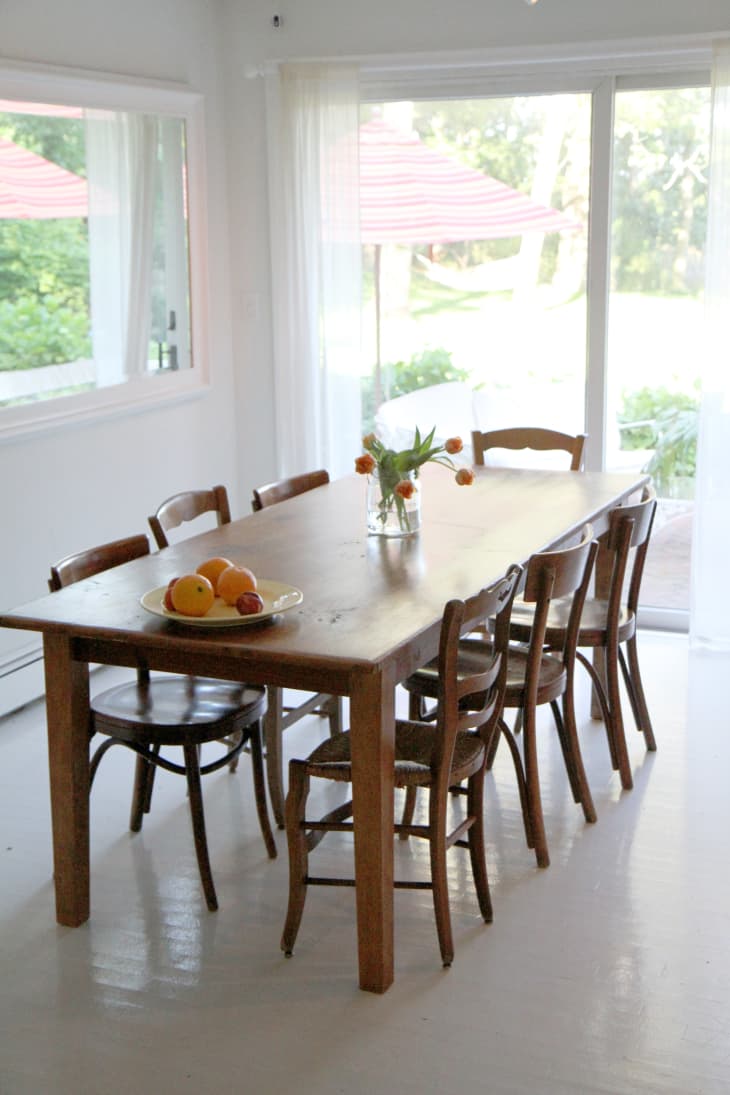
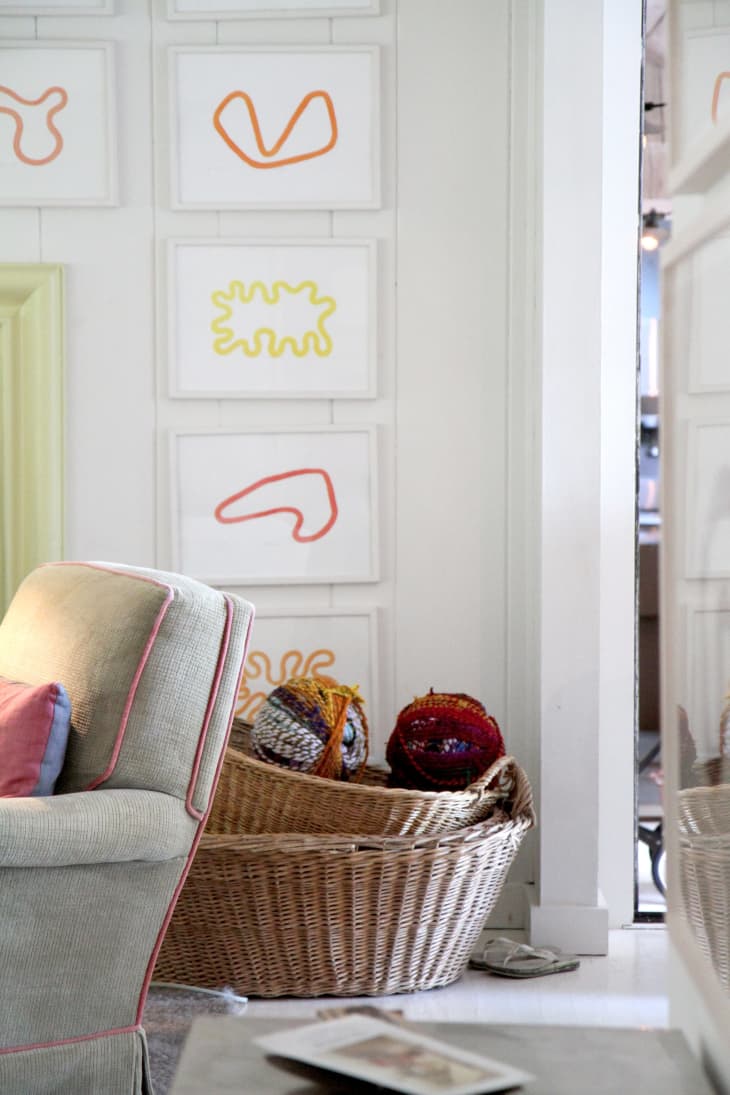
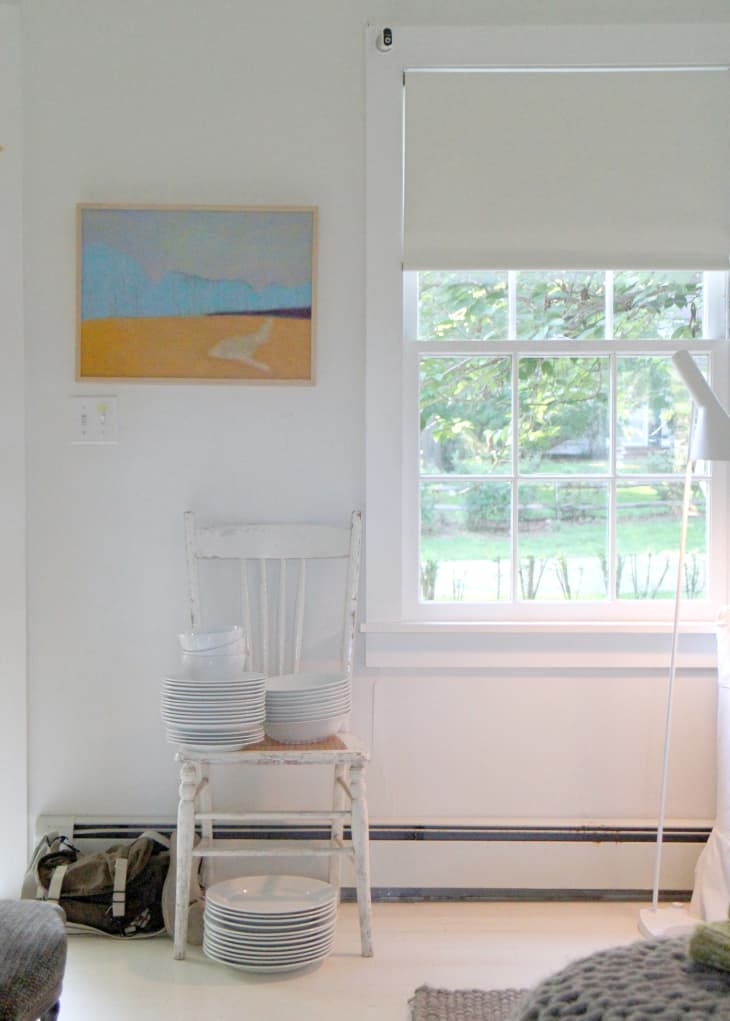
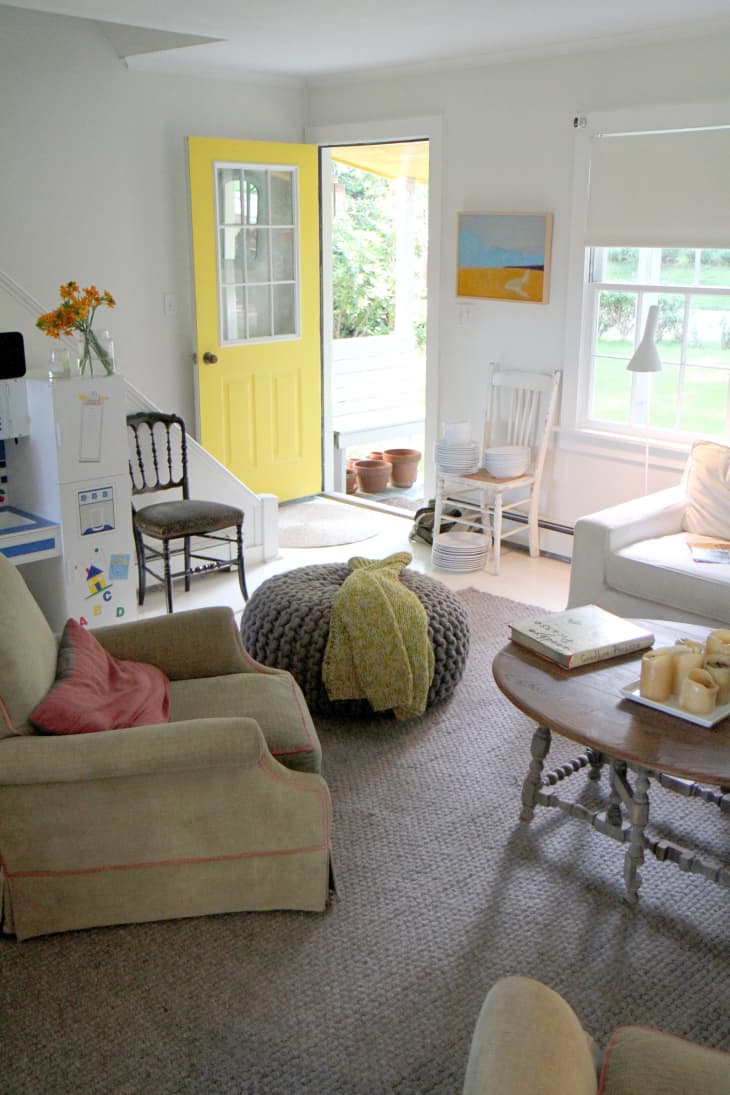
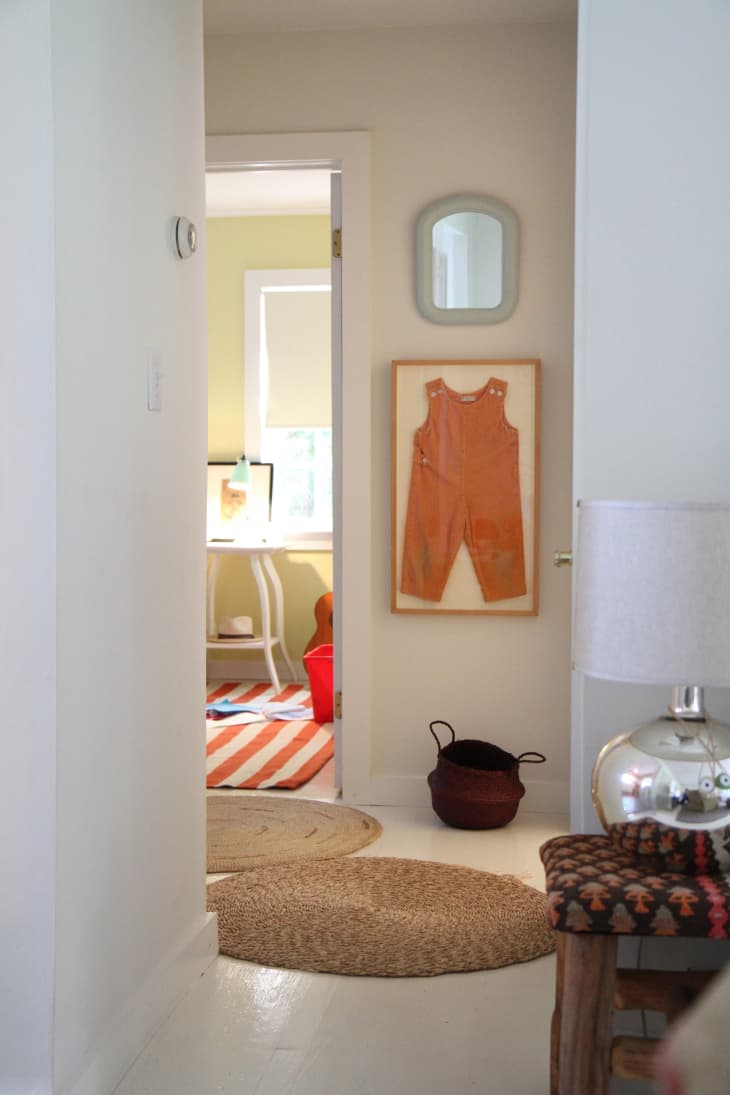
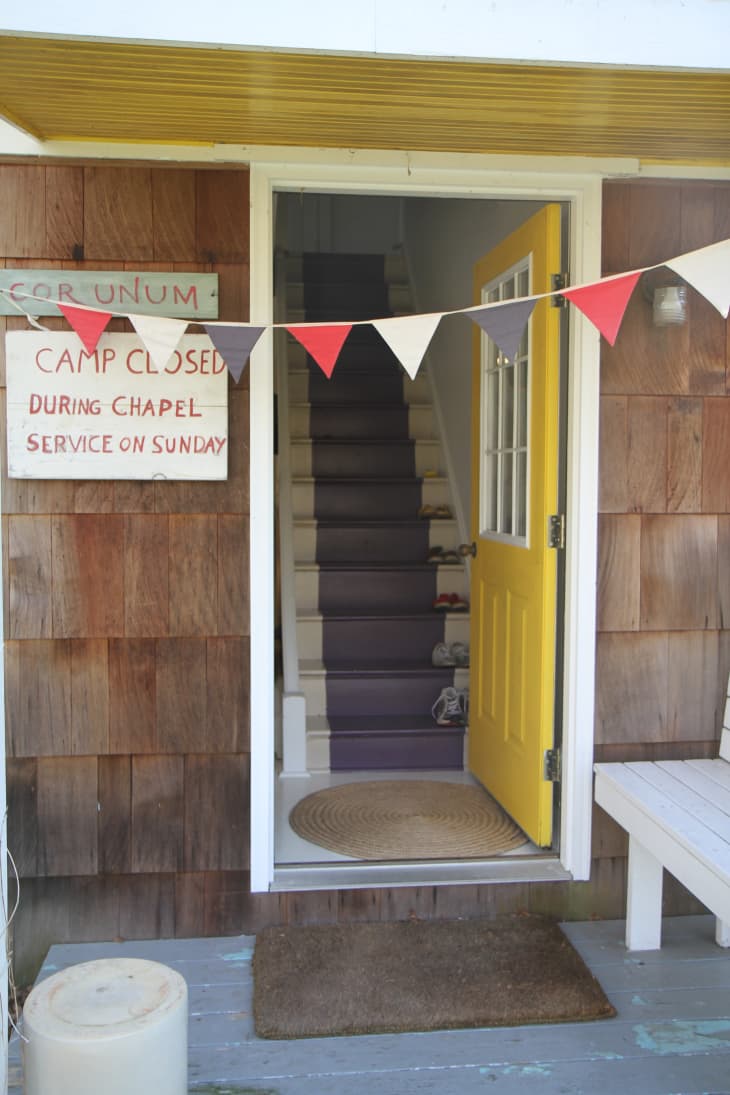
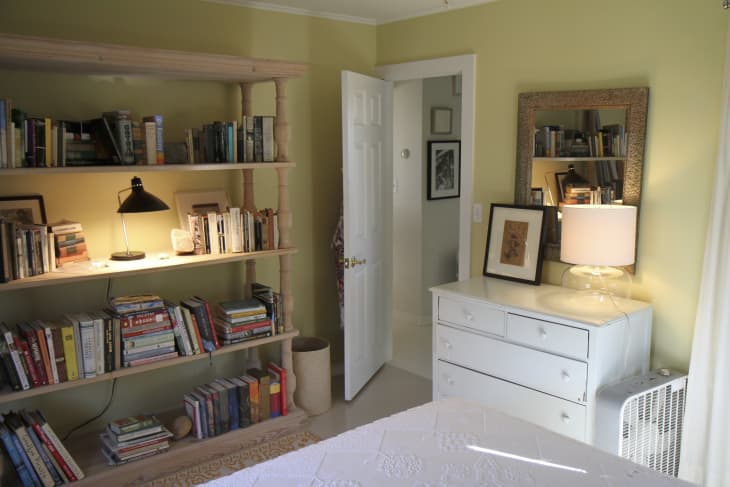
WHAT IT LOOKS LIKE NOW
INSPIRATION LINKS
>> Great Stair Runner Solutions That Will Inspire You
>> White Painted Floors
>> Anna’s Perfectly Painted Stair Runner
(Orginally posted: 04/19/2004, 09/05/2006 – MGR)