We started looking for natural remedies to our cats' problems, including fleas, allergies and mood swings, after realizing that our kitties were very sensitive to some of the chemical treatments we had been given at the vet. As soon as we opened a tube of Advantage, even if it was in another room, our cat P. Kitty would be nowhere in sight. But while researching holistic pet products, we learned that not all natural remedies, even those that are safe and beneficial for humans and other animals, are good for cats. Essential oils, for example, are very harmful to our furry feline friends.
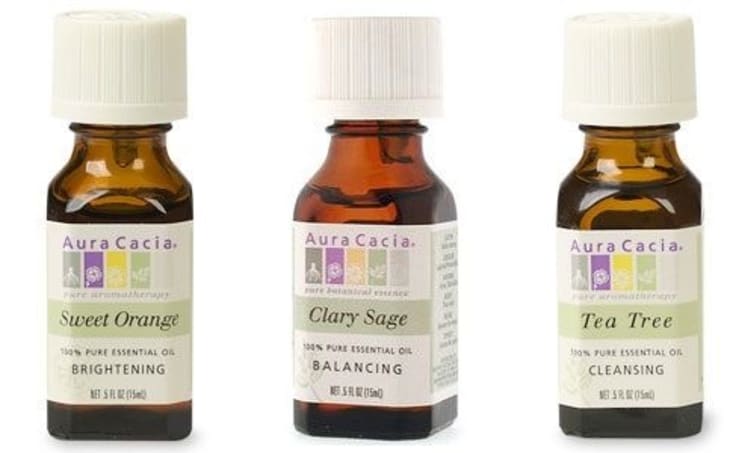
Cats are sensitive to essential oils for two reasons. Not only do felines have very acute senses of smell, but they also have delicate and thin skin, which allows for quicker absorption of these concentrated substances into the bloodstream. Most disturbingly, cats can't efficiently metabolize the compounds in essential oils, which can lead to toxic build-up in their bodies. It's scary to think about all those cat owners who've unknowingly used products with essential oils in their homes or directly on their pets!
Here is a list of some essential oils that are known to be toxic to cats:
• Peppermint
• Oregano
• Clove
• Sage
• Citrus oils
• Lavender
• Melaleuca (tea tree oil)
• Cinnamon (cassia)
• Wintergreen
• Thyme
• Birch
• Bergamot
• Pine
• Spruce
• Any other oils containing phenols
There's debate over whether hydrosols, a by-product made when a plant is steam distilled to extract essential oils, are also toxic to cats. Since the verdict isn't out, we're going to steer clear of any and all essential oil products in the future just in case.
For more information about the danger of essential oils to cats, go to The Lavender Cat.
The ASPCA web site also lists common house plants and household items that are toxic or dangerous to your cats and dogs.
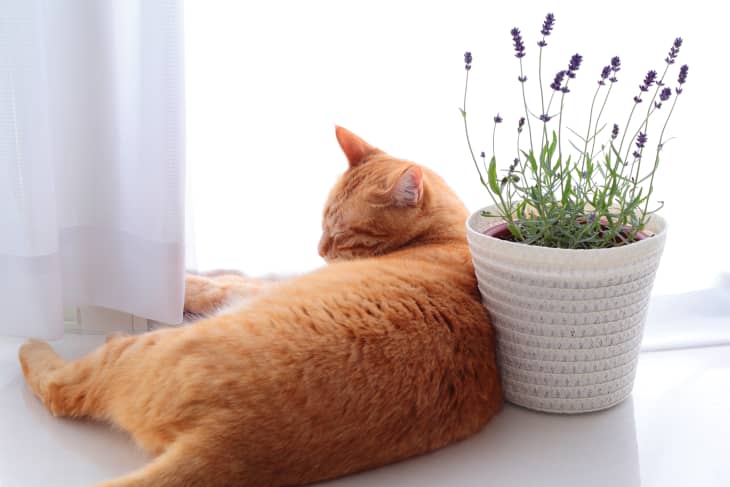
And don't worry, the sleeping cat in the photo above is safe. Fresh lavender is not toxic to felines, only the essential oils derived from the plants are.
-Sarah
Top Image: Fiordiligi0127

Shaw's Original Fir...
I was very surprised when I found this info out a few months back. I know that it is bad to directly have the cat swallow or apply the oils topically - but it is also bad to breathe them in (i.e. Glade Candles with essential oils, etc).
Good work AP!! I have been trying to spread the word on this for sometime now!
oops *AT*, dunno where that "P" came from!
Essential oils can also cause adverse reactions in humans. While they smell good, it is not recommended to put oils of cinnamon, clove, or mint (I think all mints) directly on the skin as it can cause itchy red spots, swelling, rashes, or even burning. This means don't try to wear the same oil from an oil diffuser on your skin, and be careful of spills and leaks. If making a homemade product for laundry or air freshening purposes dilute with alcohol first.
EUCALYPTUS, noticeably absent from the list, is also very toxic to cats, which is a pity as it works very well for fleas.
Thanks for posting this - more cat owners need to be aware of the dangers with some of these oils. I absolutely hate using chemicals and will always opt for a natural remedy. However, this is the exception. The toxic list keeps growing, so I just steer clear when it comes to my kitties.
My parents' cat started having strange health problems. She seemed weak, she was off balance and would miss her landing often when she jumped. She almost seemed drunk. They worried it was some sort of neurological disease and it was getting worse. Then my mom found (by pure coincidence) info about how essential oils were harmful to cats and can build up in their system. She had been burning essential oil candles and using the oil as an air freshener. She stopped using them and the cat's symptoms went away.
Thanks for letting people know about this.
Reinforces my belief that not all "natural" products mean they are safe or effective to use. Yet, with the green trend people are more into all natural products and don't think there could be negative effects from them. Prescription medicines like flea and tick treatments are tested to be safe and effective. I'm not really sure why people don't get this.
I know some of these also go for dogs as well.
thank you so much for this post-- what about regular candles, i.e. yankee candles or somesuch?
p.s. i just got this volcanic rock air freshener from Drs. Smith and Foster and it works BEAUTIFULLY, so if you're trying to get rid of any bad smells with the essential oils, this is a MUCH better way to go!
this post is wonderful! I am a first time cat owner of almost one year and they are so new to my family we don't know what natural things are poisonous to kitties that we just make sure there is NOTHING kitty will get into.
I am freaked out! I usually use candles and recently started using Glade PlugIns Scented Oil: Clean Linen. After reading this, I went to the website and noticed that the Lavender and Vanilla has essential oils. I have to keep this in mind when and if I purchase more. Thanks, AT!
No, not all natural products are safe for everyone and all pets, but many chemicals that are considered "safe" are not, including cleaning products and some prescription flea and tick treatments. These chemicals also build up in our bodies and those of our pets and create adverse reactions. Natural and organic products can really help people lead healthier lives, but research is key. There is more danger in most non-natural products than organic - more and more research is proving this.
I work with essential oils on a daily basis. They are great but it is very important to know the hazards as well as the benefits of essential oils. Thanks for posting this. :)