
Shared Kids Rooms: Making a Multiple Bed Layout Work
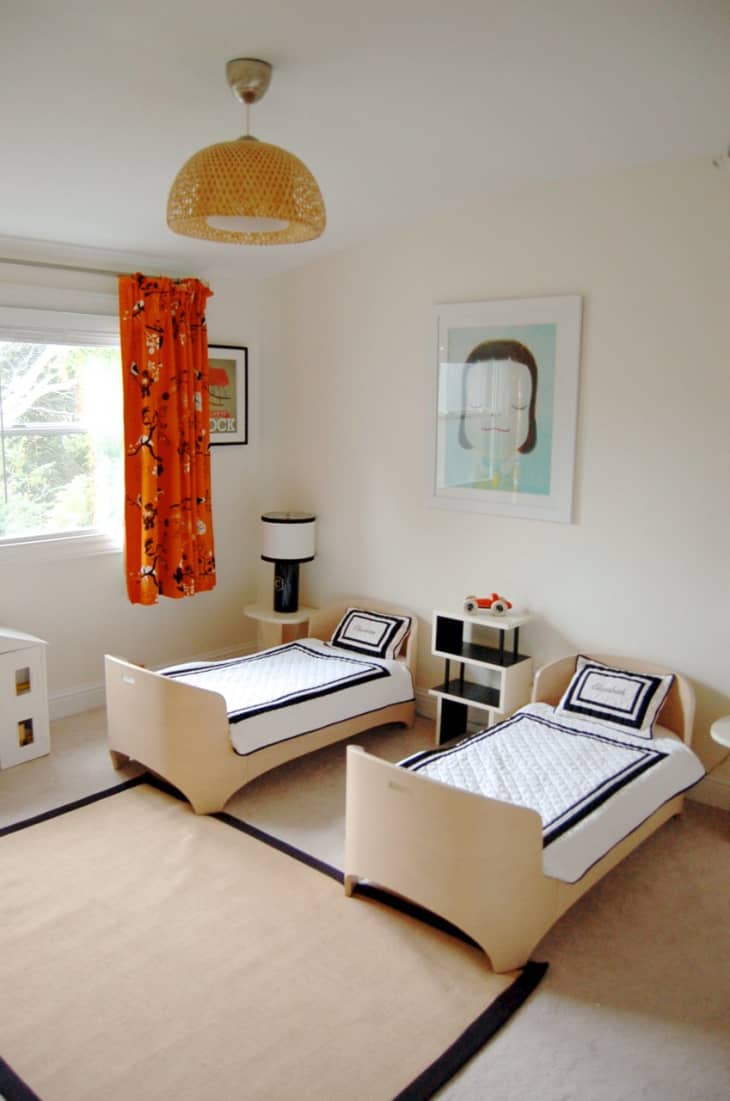
So, you’ve decided your kids are going to share a room which means you have two beds (or a bed + crib) to fit into the room. The size and shape of the room may guide or dictate where you place the beds, but it’s worth taking a look at some different bed layouts to see if they spark inspiration for you.
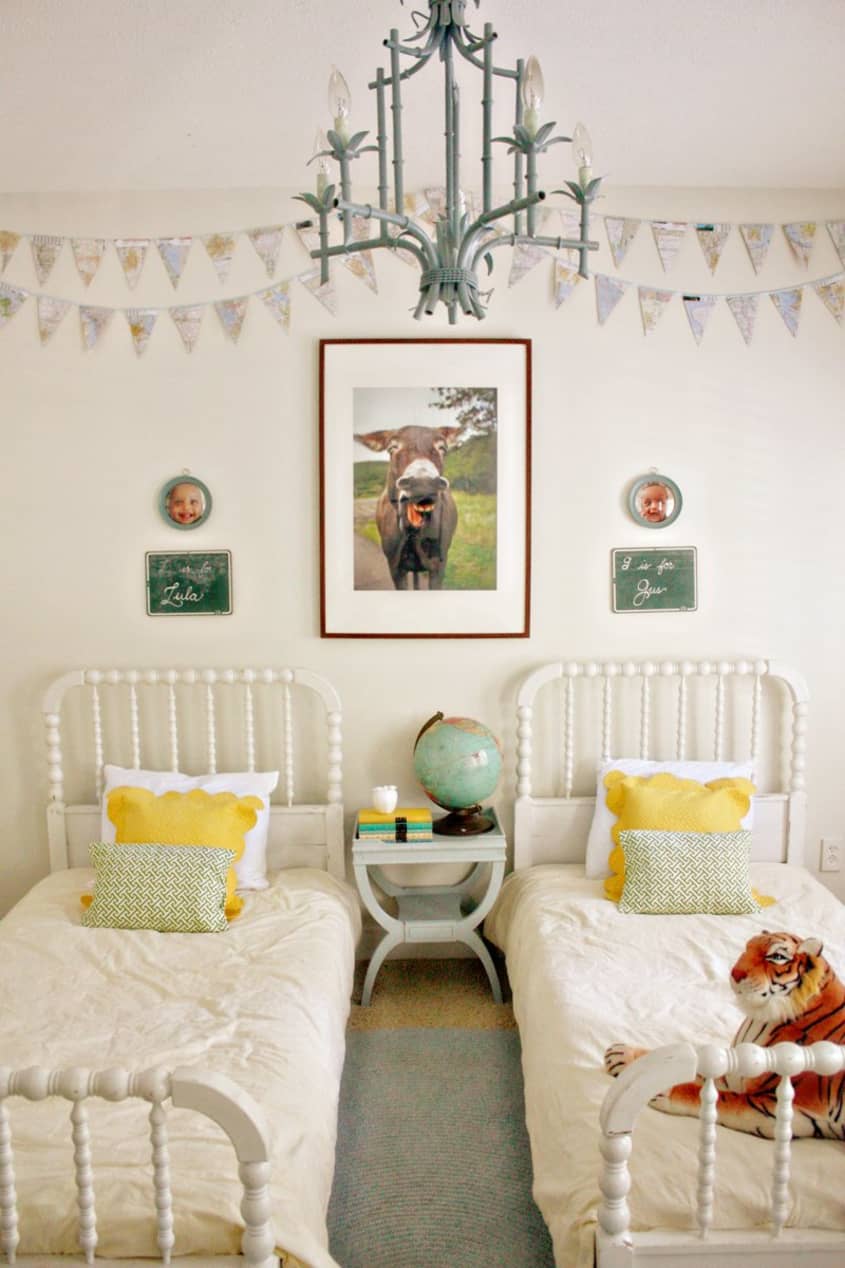
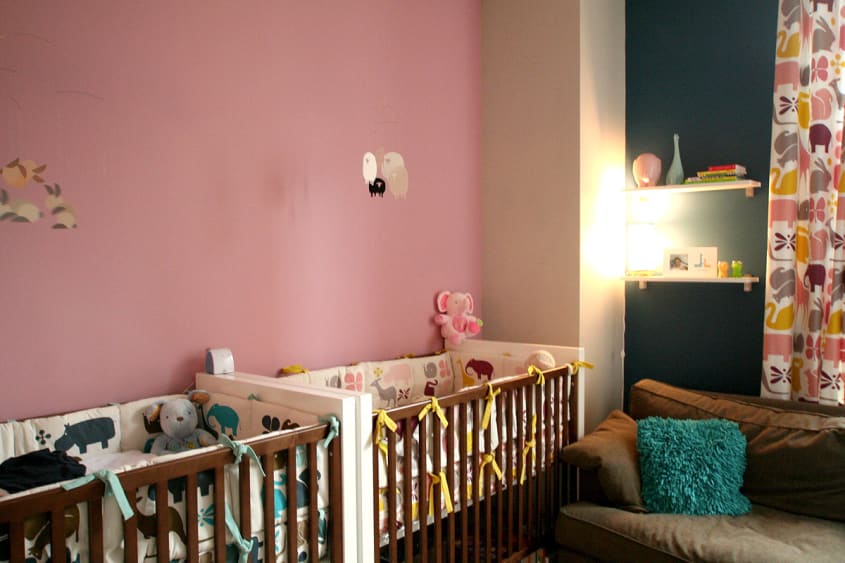
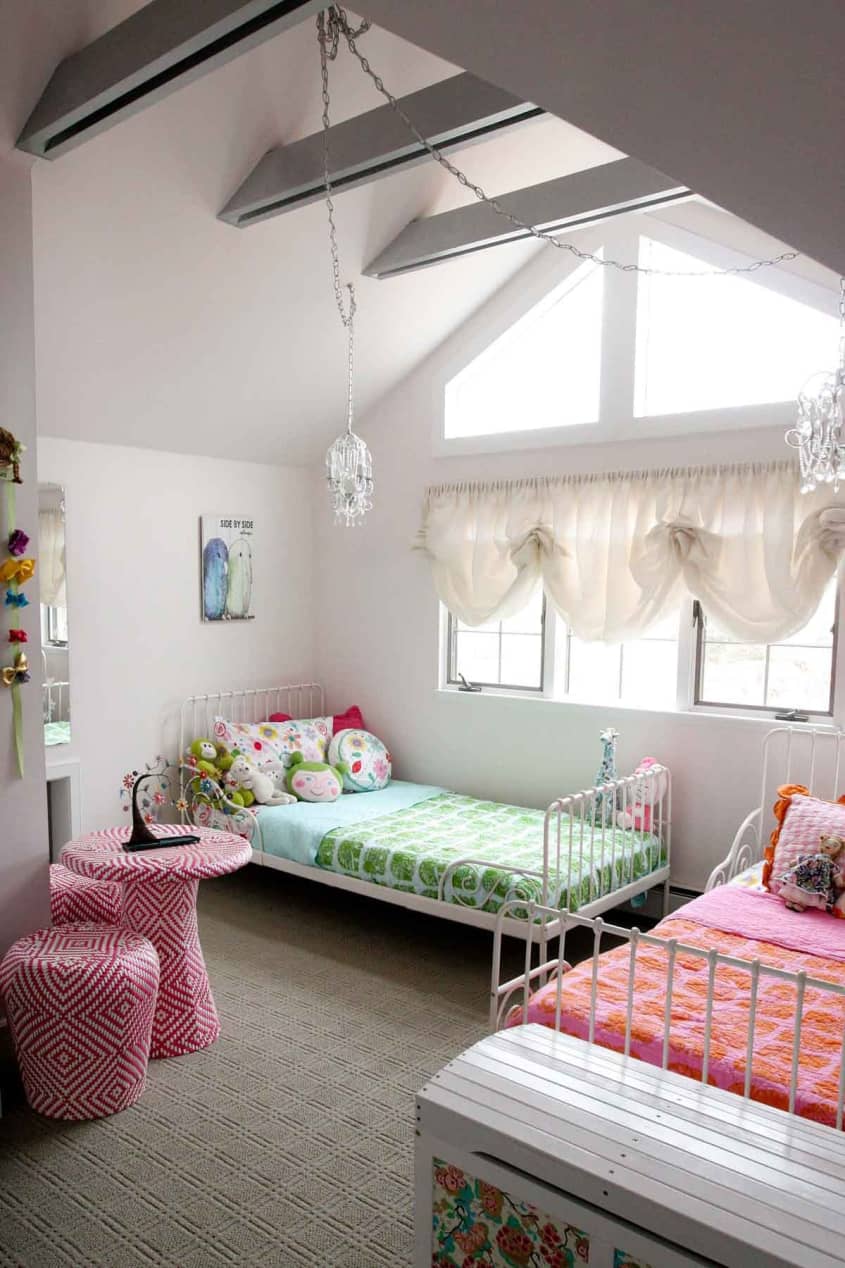
Side-by-Side
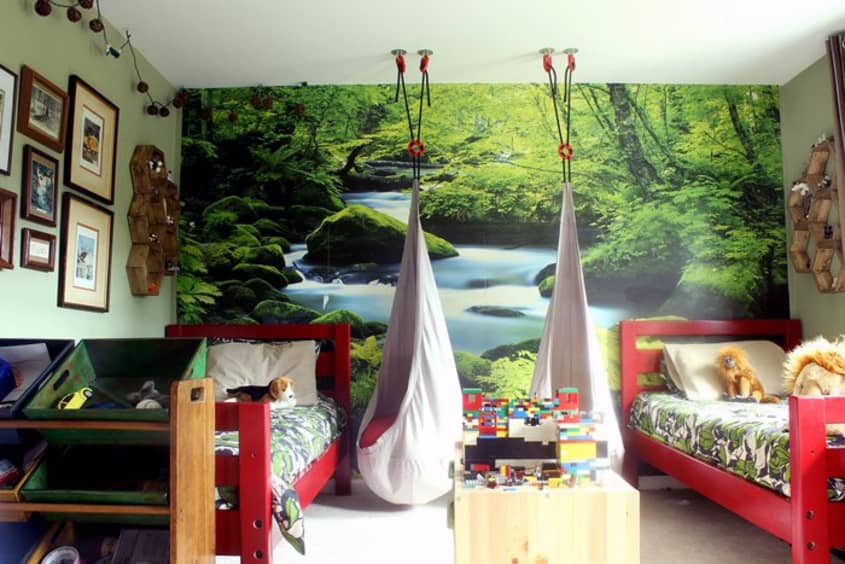
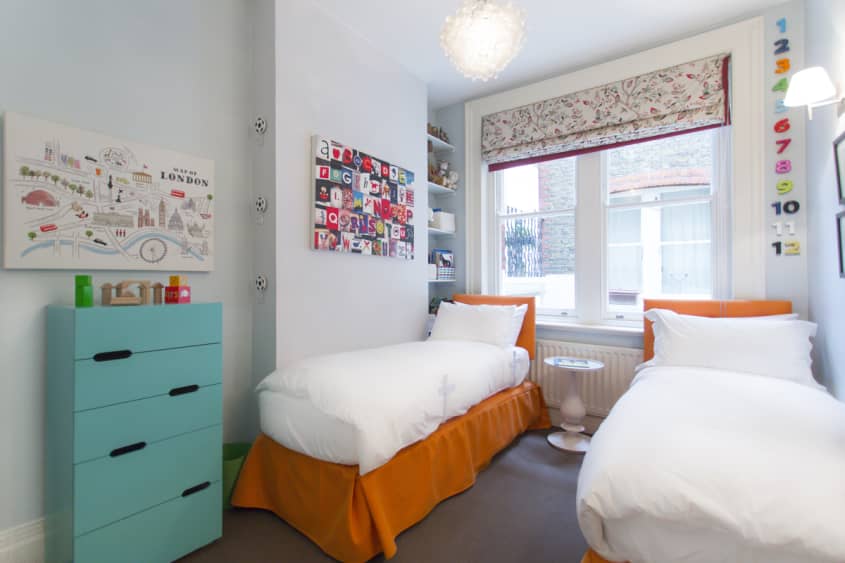
Probably the most traditional layout, this formation has a nice visual symmetry and conveys a sense of each child’s claim to the space being equal.
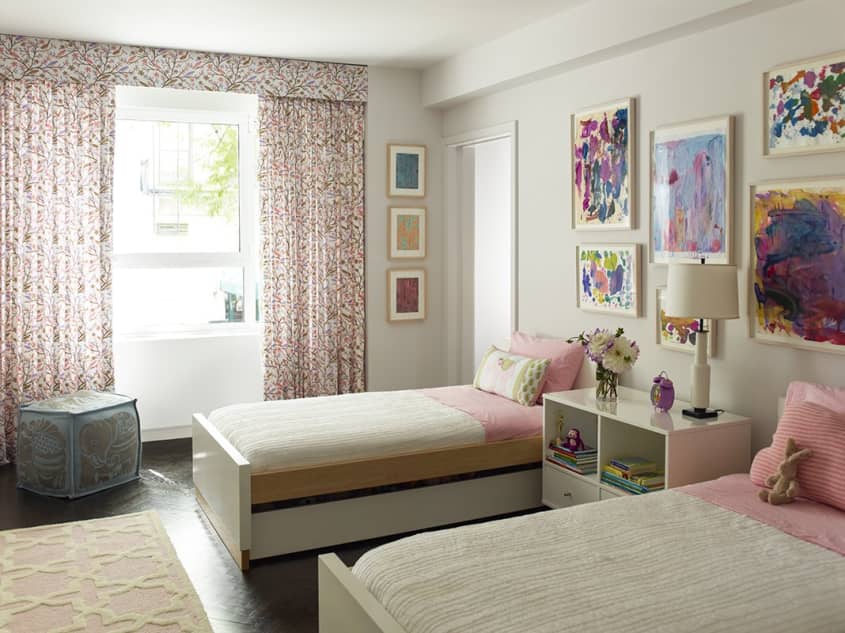

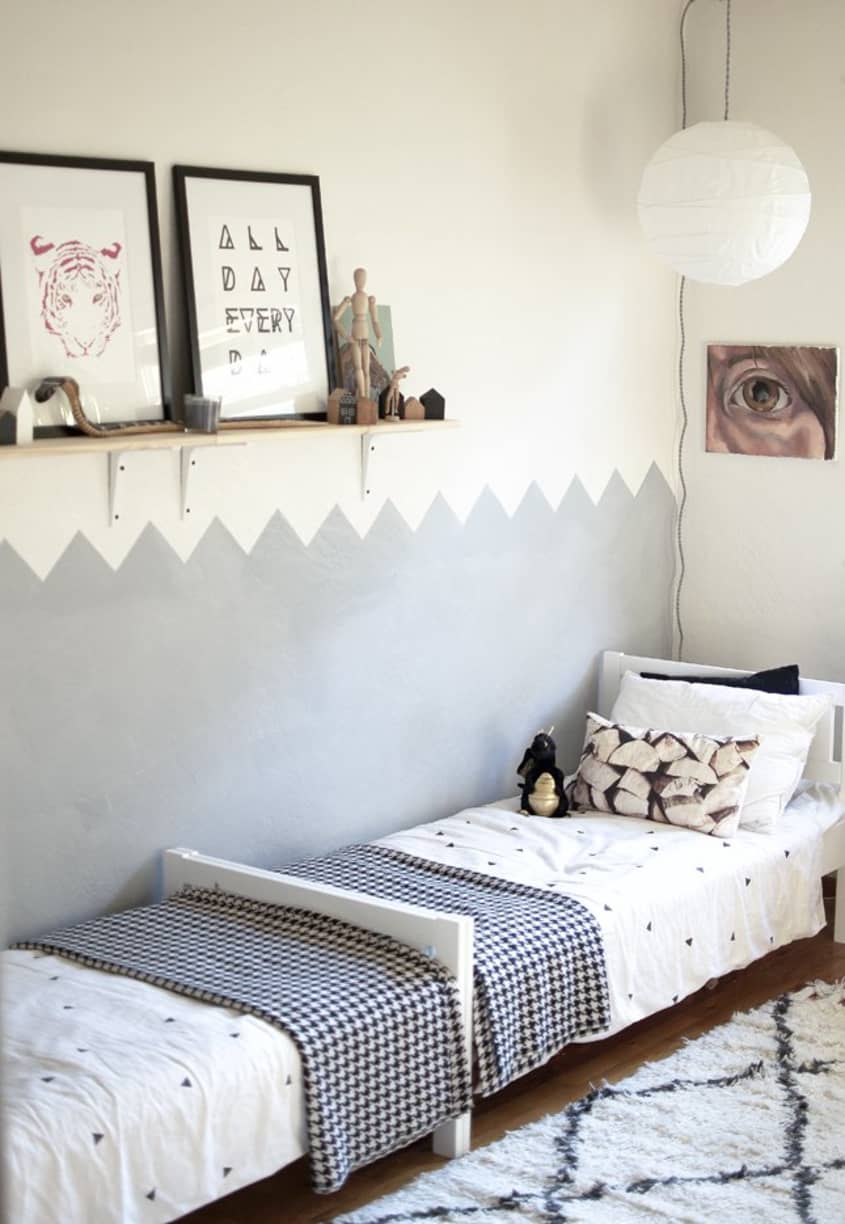
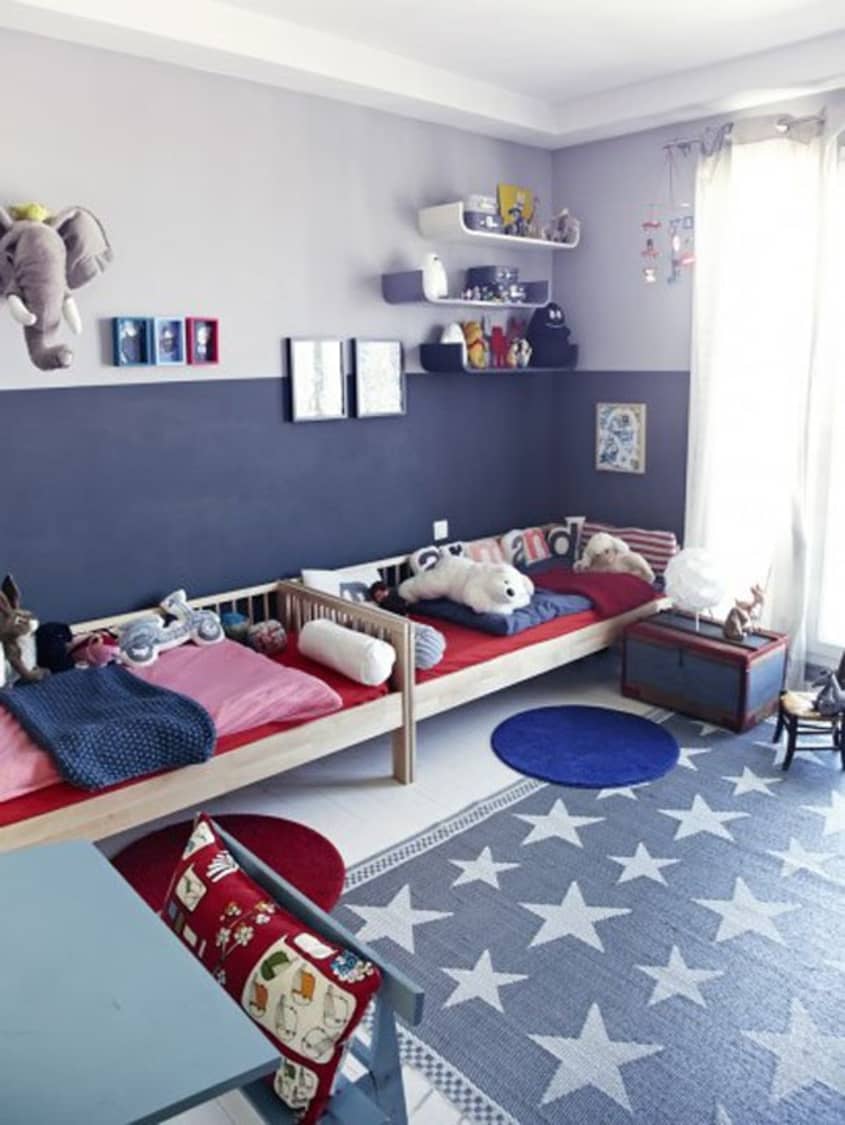
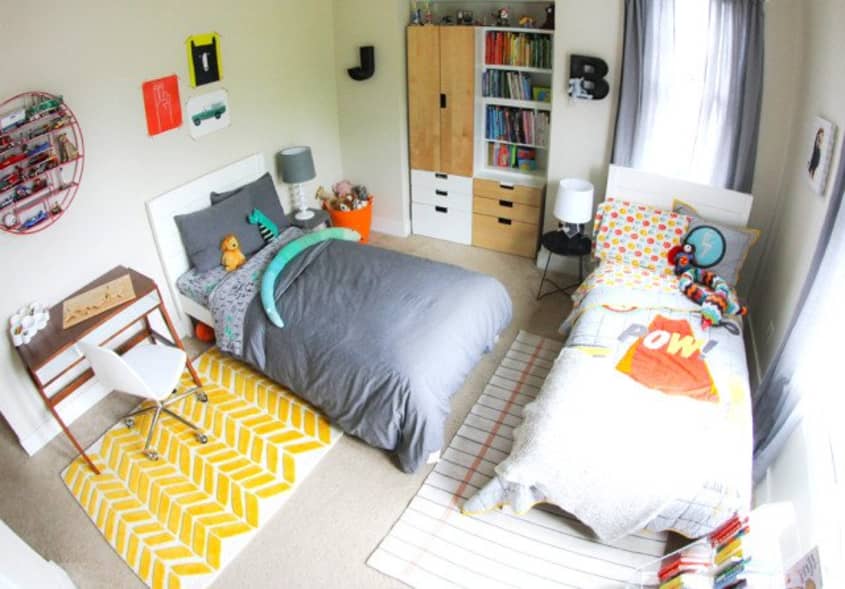
Adjacent:
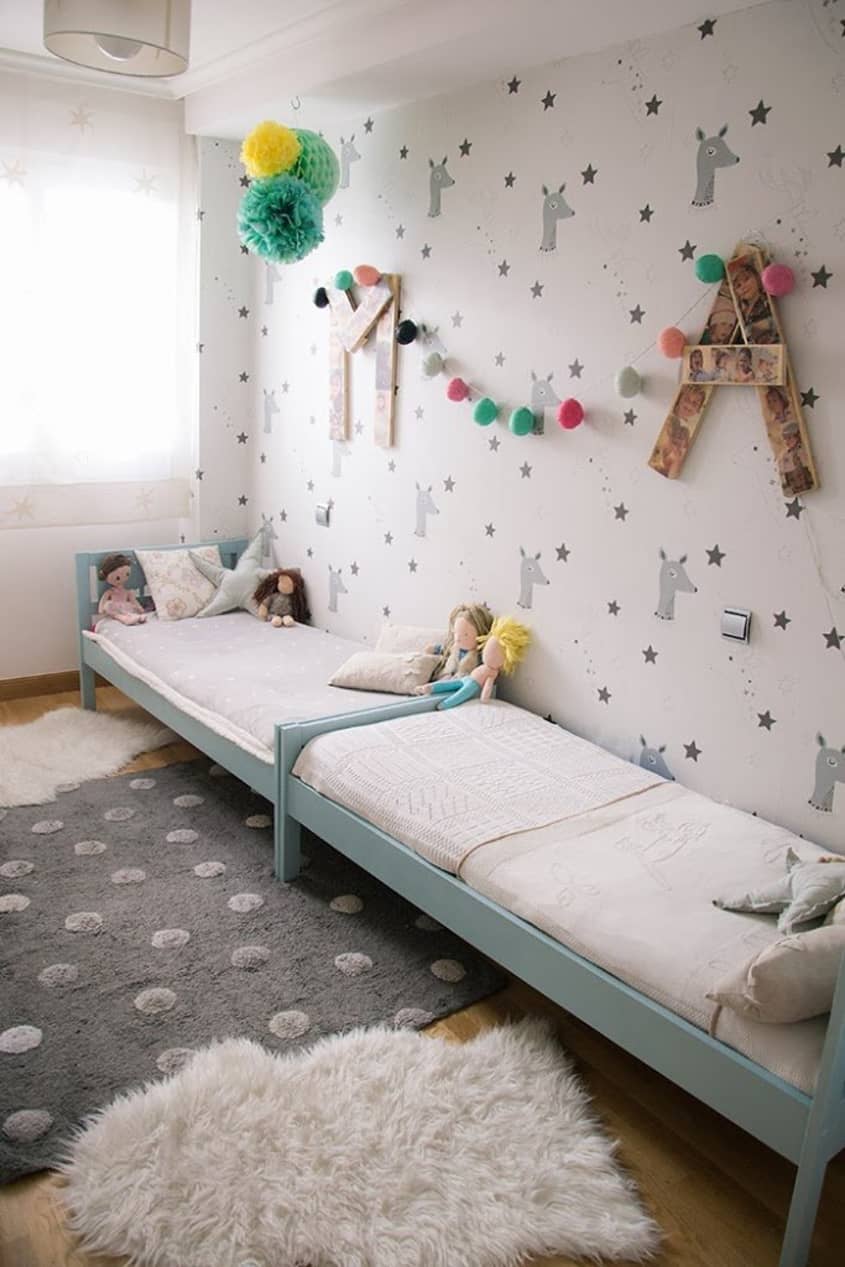
Gaining in popularity, this layout allows for more open space in the room for playing.
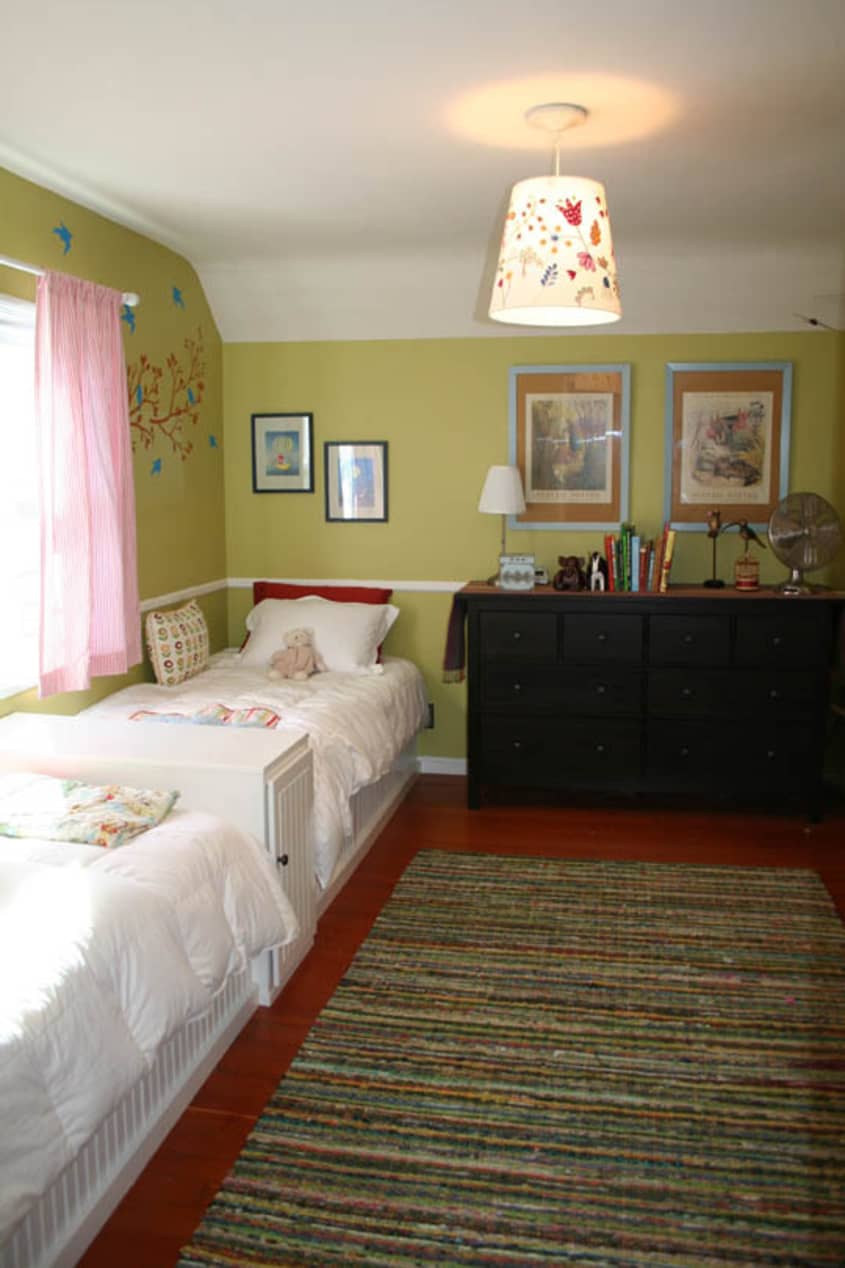
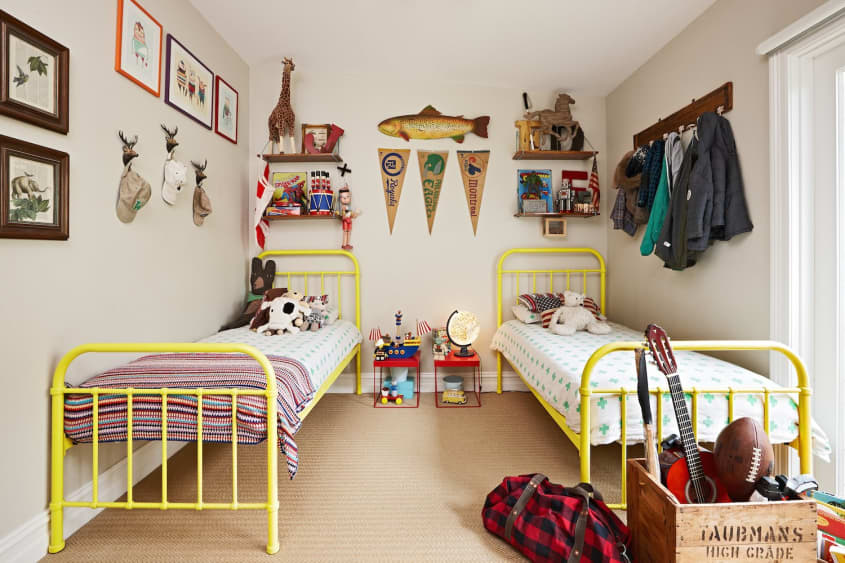
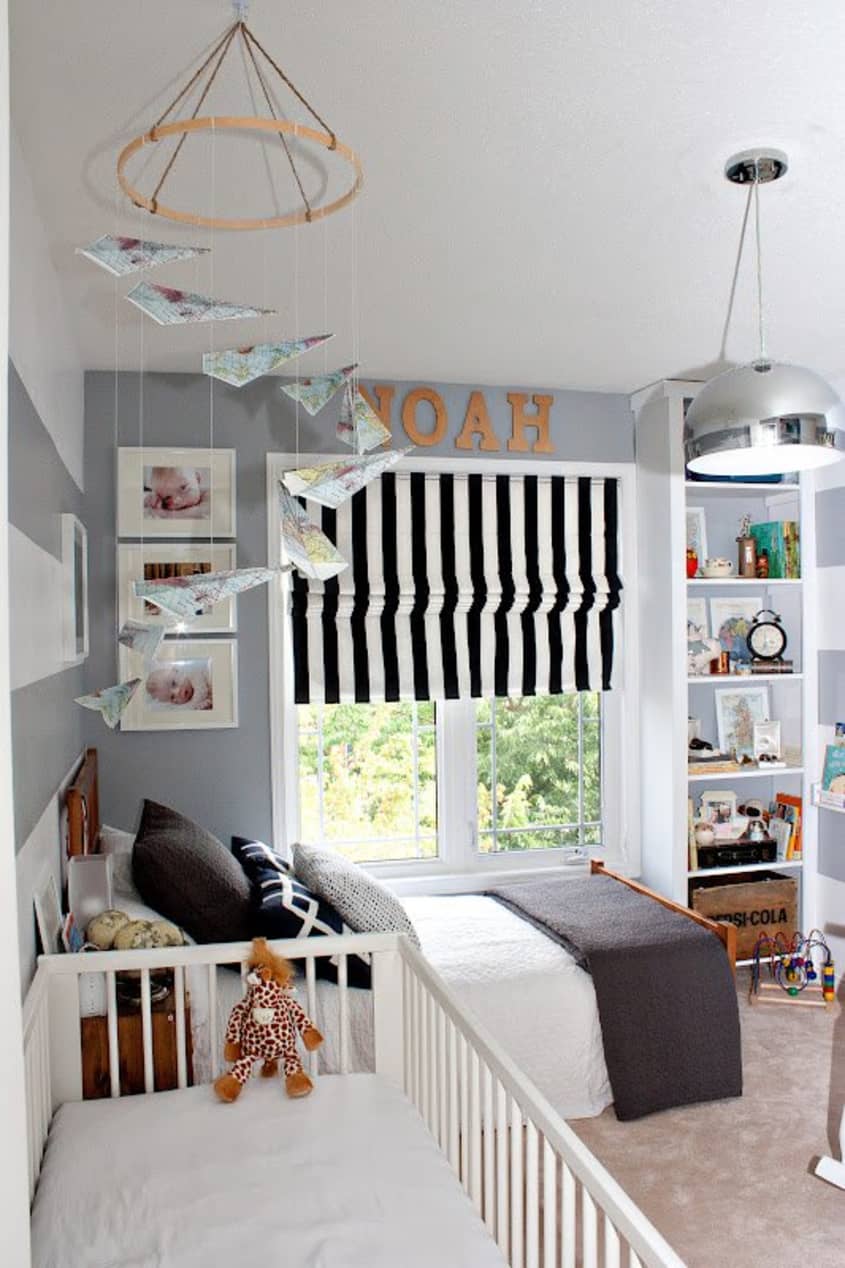
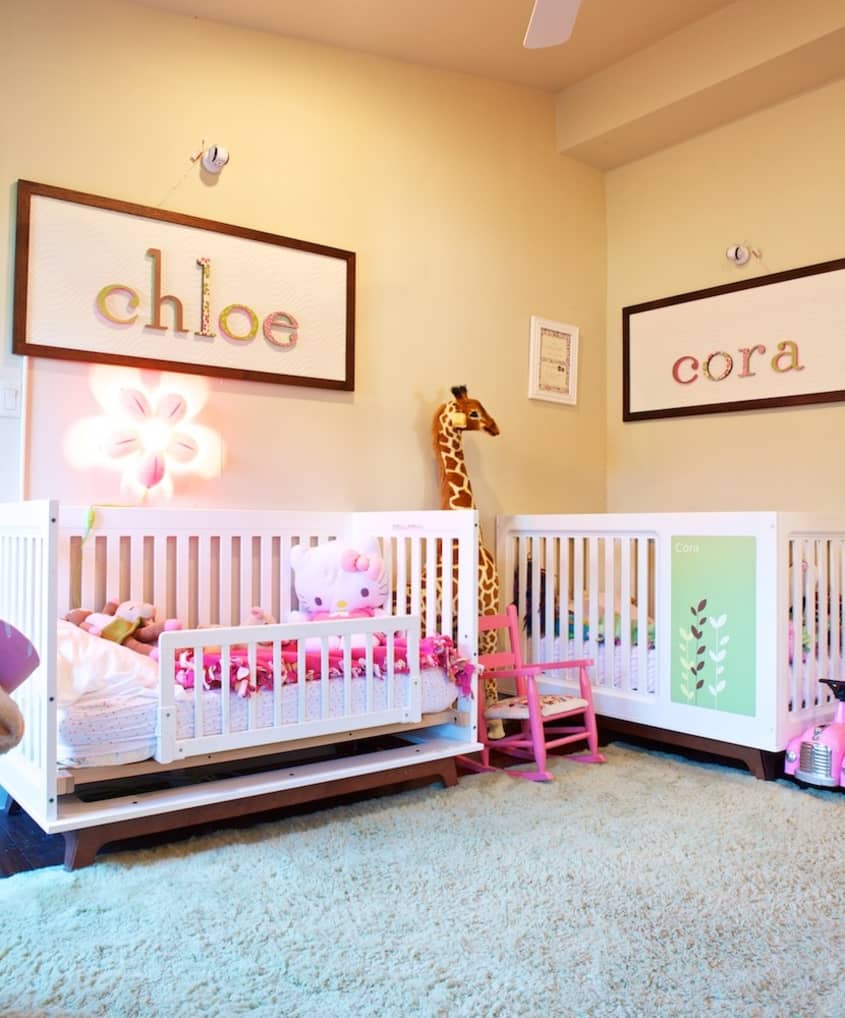
At a 90 Degree Angle
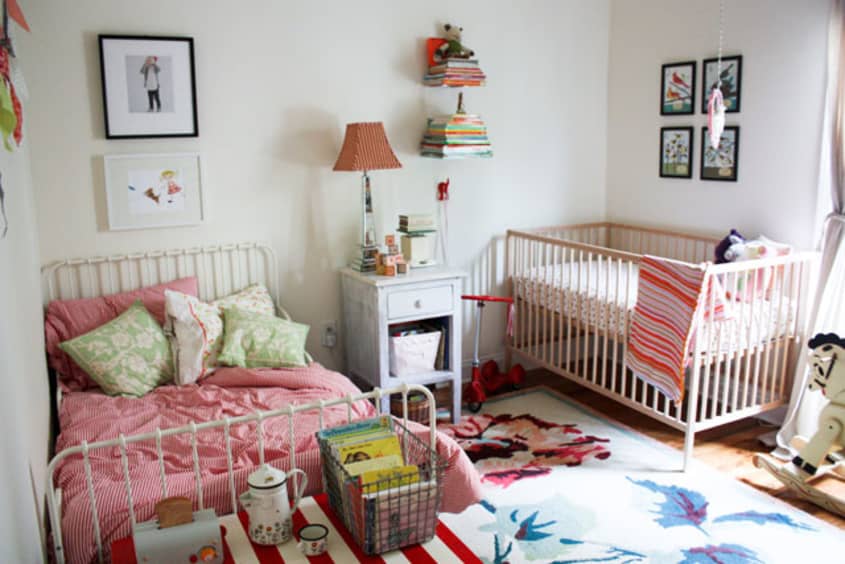
Often the only workable layout for a small room, the arrangement can give the illusion of each child having their own little area carved out.
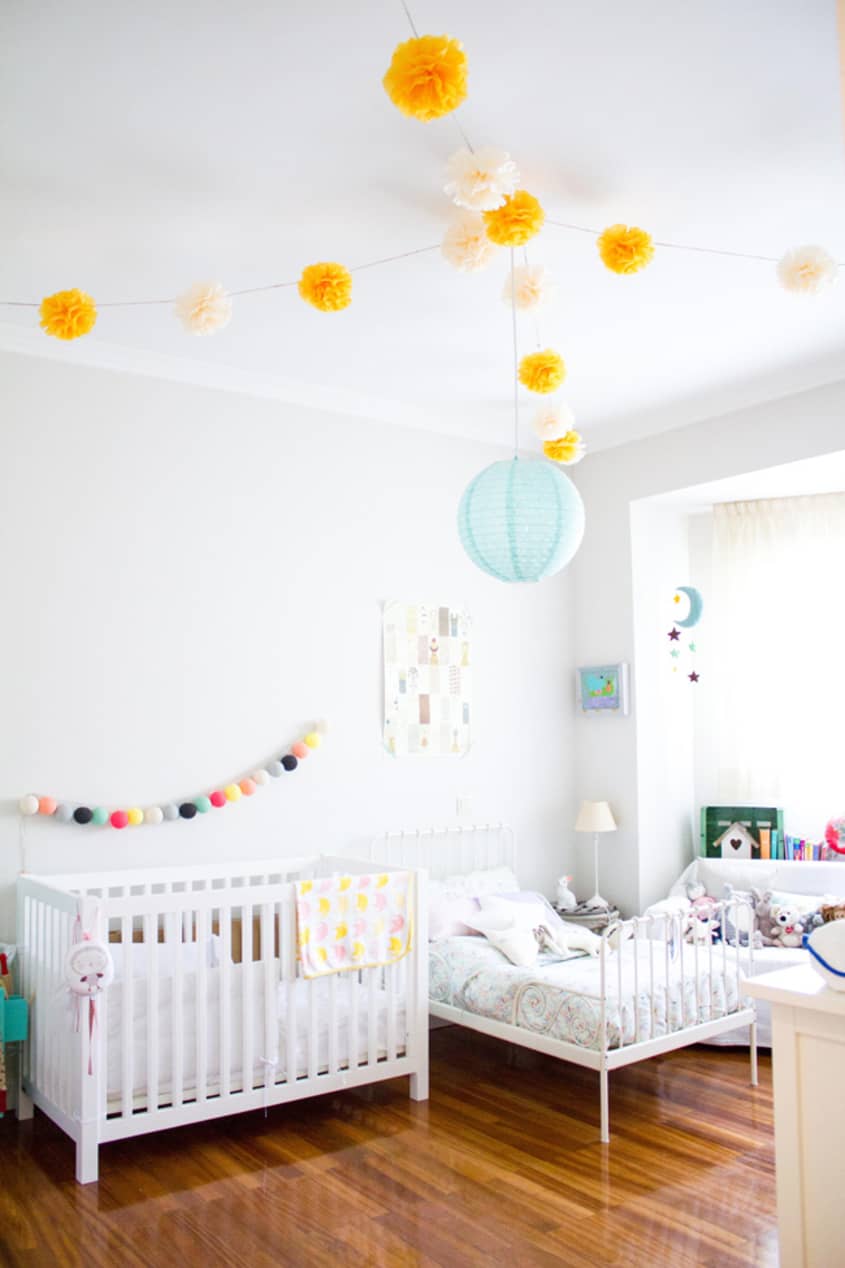
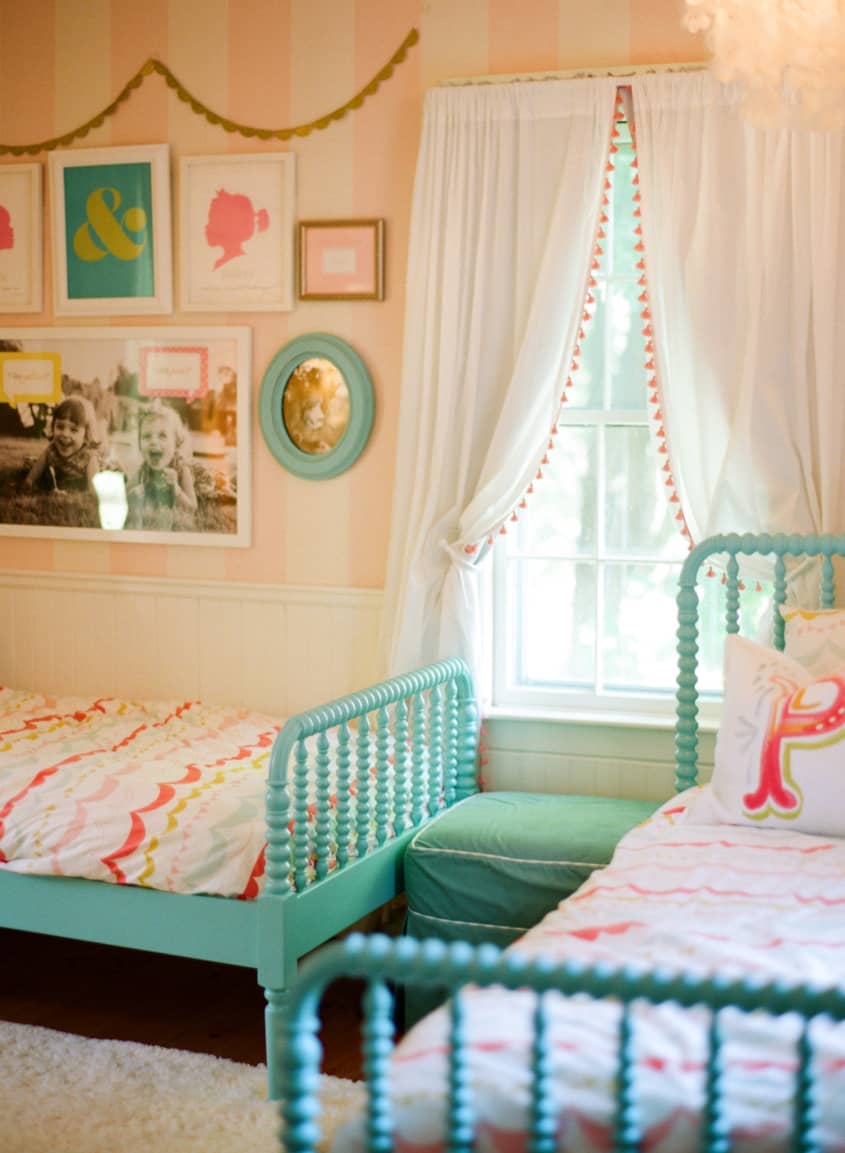
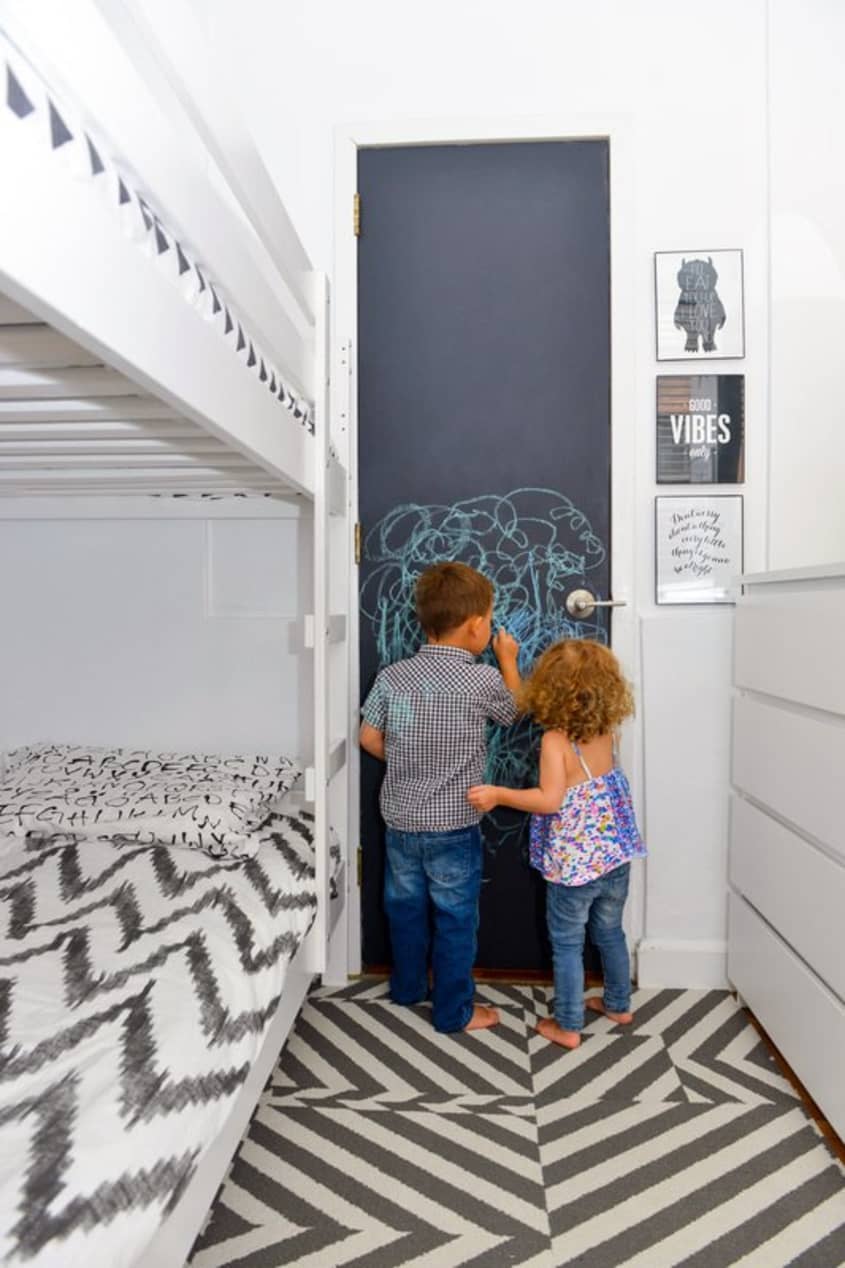
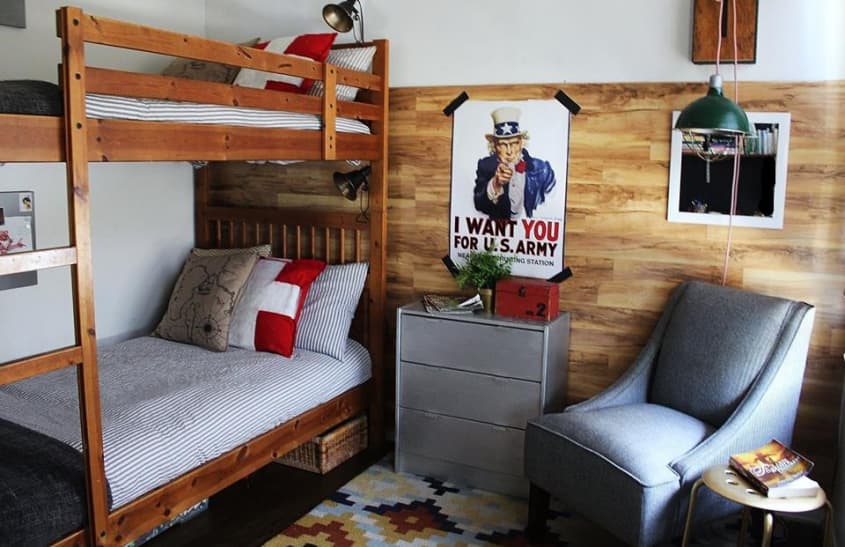
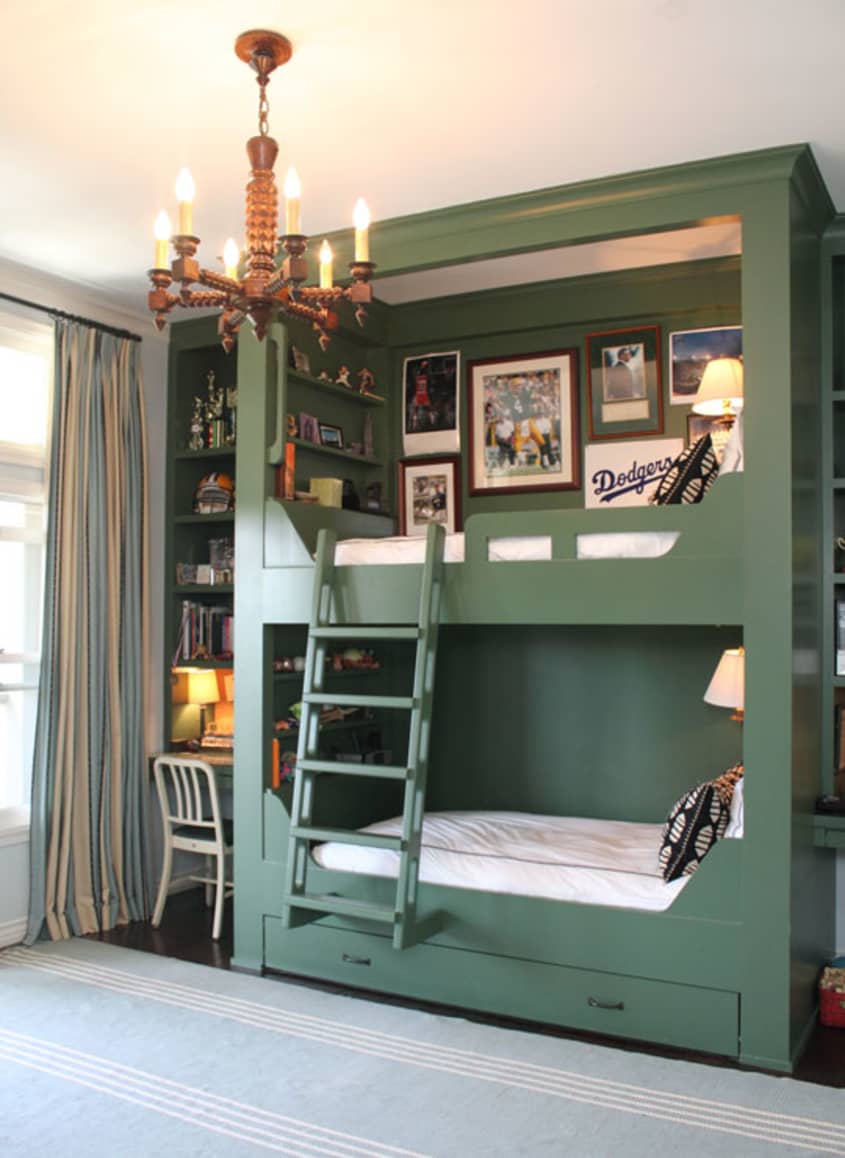
Bunk Beds:
Bunks have the obvious advantage of saving space, but also have an extra element of fun for kids.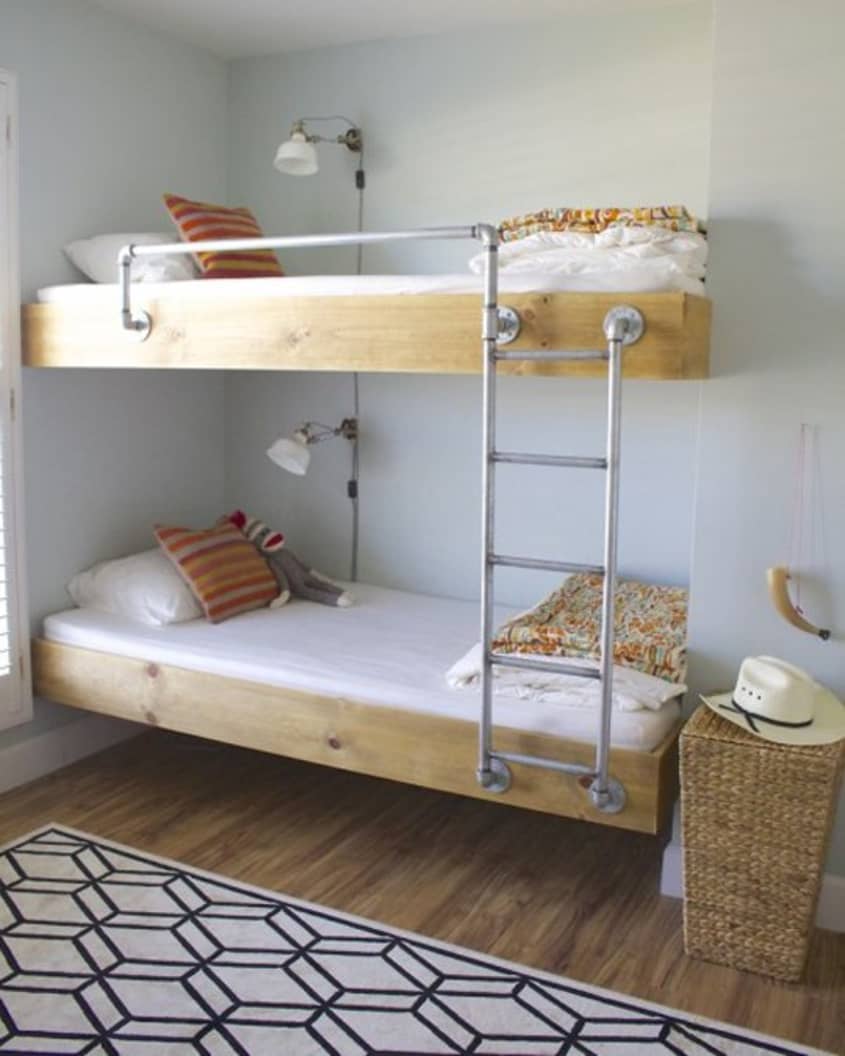
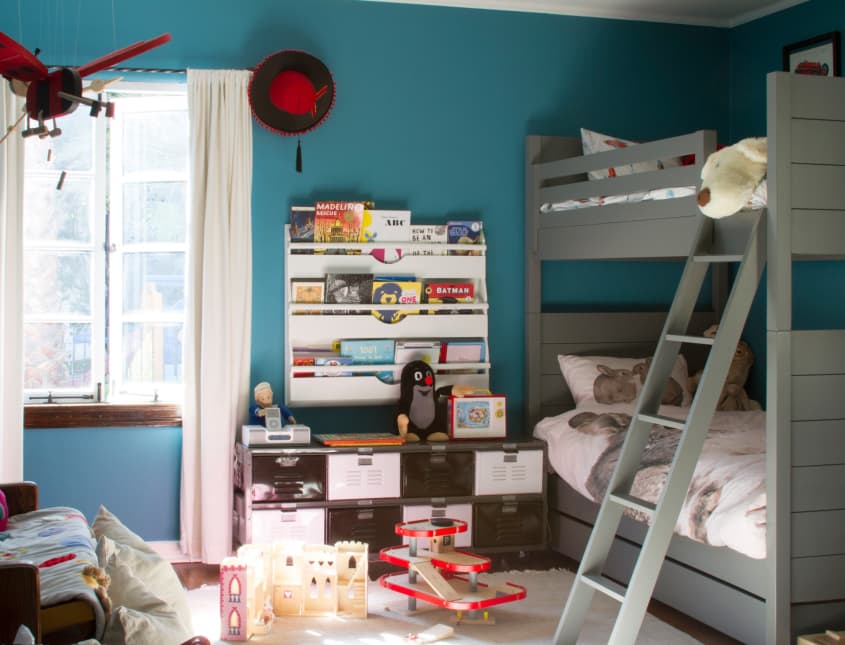

Of course there are other bed arrangements, particularly in uniquely-shaped rooms, but these are the primary ones. Which layout do you prefer?