
The 15 Most Popular Types of Tile You Need to Know for Your Kitchen, Bathroom, and Beyond
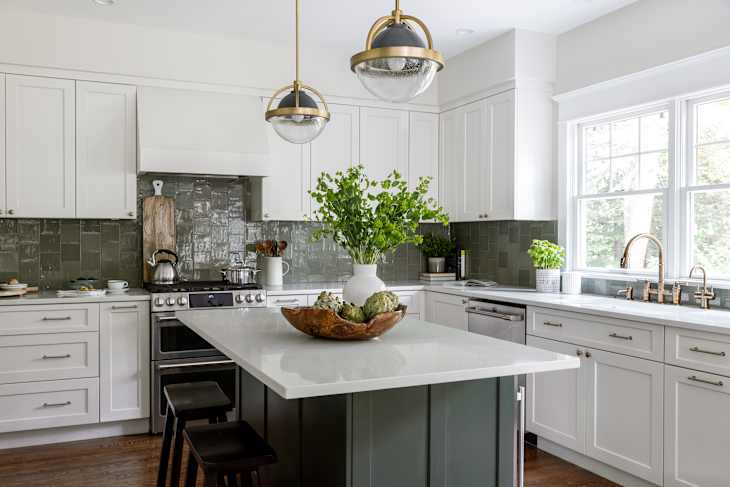
Selecting from all the types of tile available for your home is no small task. There are so many different tile trends, from materials and finishes to colors, shapes, sizes, and surface patterns. In terms of application, your needs may vary greatly depending on whether you’re looking to tile a bathroom floor, a kitchen backsplash, a patio, or another area entirely. And tile layout is something you’ll have to consider, too, since you can install pieces in a number of configurations.
The good news, though, is there’s truly a tile for every design aesthetic, and tiled surfaces offer many benefits in a home — they’re easy to clean, fairly water-resistant, and more durable than ever while also being somewhat simple to replace if needed. “Whether you’re aiming for a warm, rustic feel with terracotta, a global touch with zellige, or a sustainable choice with recycled tiles, there’s a perfect tile out there for every style and space,” says designer Allison Kaminsky, the founder of Lola Tucker Interiors.
Here, Kaminsky and other experts weigh in on 15 of the most popular types of tile to consider for your next home project. Read on so you can make as informed of a decision as possible during the process of selecting from all the types of tile on the market.

1. Marble Tile
Maya Ahluwalia, vice president of marketing at Artistic Tile, refers to marble as “a classic material that has adorned the finest spaces for centuries.” Available in a variety of hues, marble tile can range from white and gray to blue and black — and beyond. Depending on the source stone, the veining can be subtle or pronounced, and no two tiles will be exactly the same, since you’re dealing with a natural material.
When determining where to incorporate marble tile in your home, Damla Turgut, the founder of Otto Tiles & Design, advises taking a timeless approach. “Marble tiles are ideal for flooring and have been used in this way for thousands of years,” she says. You can think slightly outside the box with your application ideas, too. “Marble tiles are also great for creating a statement, one-of-a-kind installation wall or framing a door,” Turgut adds.
A bonus feature of marble tile? This surface will beautifully bounce light around a room if polished, Turgut explains. This can make a small bathroom, for example, look a little bit brighter and larger, especially if the room lacks windows. Those using marble tile outdoors may prefer a matte look, though, she says.
Ahluwalia recommends sealing marble tile to ensure it holds up for years, especially in a high traffic area. Keep in mind that marble will patina over time. Some people are especially drawn to this lived-in look, while others prefer to avoid it — it’s truly a matter of preference.

2. Limestone Tile
Excellent for anyone who loves an organic touch in their interiors, limestone tile is a natural material that comes in a number of different shades ranging from beige to green and is known to wear well. It also tends to be a tile that shows up in larger format. “Although soft in look, limestone is very durable and is an excellent choice to add elegance to any room,” Ahluwalia says.
If you’re remodeling a previously furnished space, limestone is a great pick because it typically is very neutral in appearance and has light veining. “Limestone can easily blend with any color scheme that is already in your home,” Ahluwalia explains.
Like marble, limestone tiles can stain, so you want to be mindful to clean up any spills or splashes immediately and potentially choose a polished finish for extra ease in maintenance. Always follow the manufacturer’s instructions for sealing and cleaning your limestone tile, too. The biggest downside here? Again, similar to other natural stones, limestone can be expensive compared to other types of tile.

3. Porcelain Tile
An excellent choice for high traffic spaces, porcelain is a stain- and scratch-resistant material made from fine clay, Ahluwalia says. It also comes in a bunch of different finishes: You can pick from glazed tiles, polished tiles, matte tiles, and much more.
If you’re trying to decide between porcelain and its close cousin, ceramic, the choice may come down to your desired application area, the degree of durability you need for a given project, and your budget. “It’s harder to cut and more expensive than regular ceramic, but its durability makes it worth the extra cost,” Kaminsky says of porcelain tile. Because porcelain is so hearty and absorbs less water than ceramic, it’s ideal for bathroom floors, walls, and outdoor spaces, if you can spring for it.

4. Ceramic Tile
Like porcelain, ceramic tile is also known for its durability. But its biggest pro might be that it’s available in maybe the widest range of colors of all types of tile. “Ceramic tile is our most frequently used tile because it comes in a variety of shapes and sizes, textures, and glazes,” says Marnie Oursler, a home builder and the founder of Marnie Custom Homes. “We find there is a look for everyone.”
Made from coarser clay, ceramic tile can be very budget-friendly, easy to maintain, and though less water-resistant than porcelain, it still can be used in wetter areas successfully. Oursler says ceramic performs well on floors, walls, backsplashes, and in showers. It’s also a great option for DIYers, since it’s easier to cut than porcelain.

5. Glass Tile
Glass tile is a great glam choice, according to designer Heather French, the founder of French & French Interiors. Do be mindful, though, that glass can be a bit fragile — it tends to be more prone to scratching than other tiles and is more delicate on the whole. Use it in spaces where it can be admired yet will not be susceptible to damage, like a backsplash or on an accent wall.
Short on square footage? Consider glass tile for the same reason a lighter marble can be advantageous; it can bounce much-needed light around a space. “Glass is a great tile to be used when you need to add reflectivity to increase light in a space,” explains designer Cathleen Gruver, the founder of Gruver Cooley Interiors. “It can help create the illusion that a small space is bigger or that it is receiving more light than it actually is.”

6. Slate Tile
Rugged in appearance and often dark gray in color, slate tile is sourced from the metamorphic rock in the earth that’s created by the compression of volcanic ash and clay that takes place over millions of years. According to French, this type of tile can be used for flooring throughout the home as well as within shower stalls and on patios, thanks to its strength and chip- and crack-resistance.
Like other natural stones, slate does need to be sealed to avoid staining. While a high-end looking, beautiful material, some slate tiles can be uneven on their surfaces, and most are cold underfoot, so keep these factors — and the fact that it’s not the easiest kind of tile to install — in mind for potential application areas. Slate can also be pricey.

7. Granite Tile
Not just available in slab form, granite can be cut into tiles and is also made from natural stone, which means it’s more costly than ceramic. French considers granite tile to be a sturdy, dependable, and heat-resistant choice perfect for kitchen counters and bathroom floors, areas that experience a heavy amount of wear on a frequent basis. “Think of granite as the strong, silent type — perfect for solid, imposing kitchens,” she says.
Elegant in appearance and available in a number of colors, granite works well in traditional and more contemporary settings alike. Like other stone options, granite is porous, so regular sealing will be important for maintaining your tiles.
8. Terracotta Tile
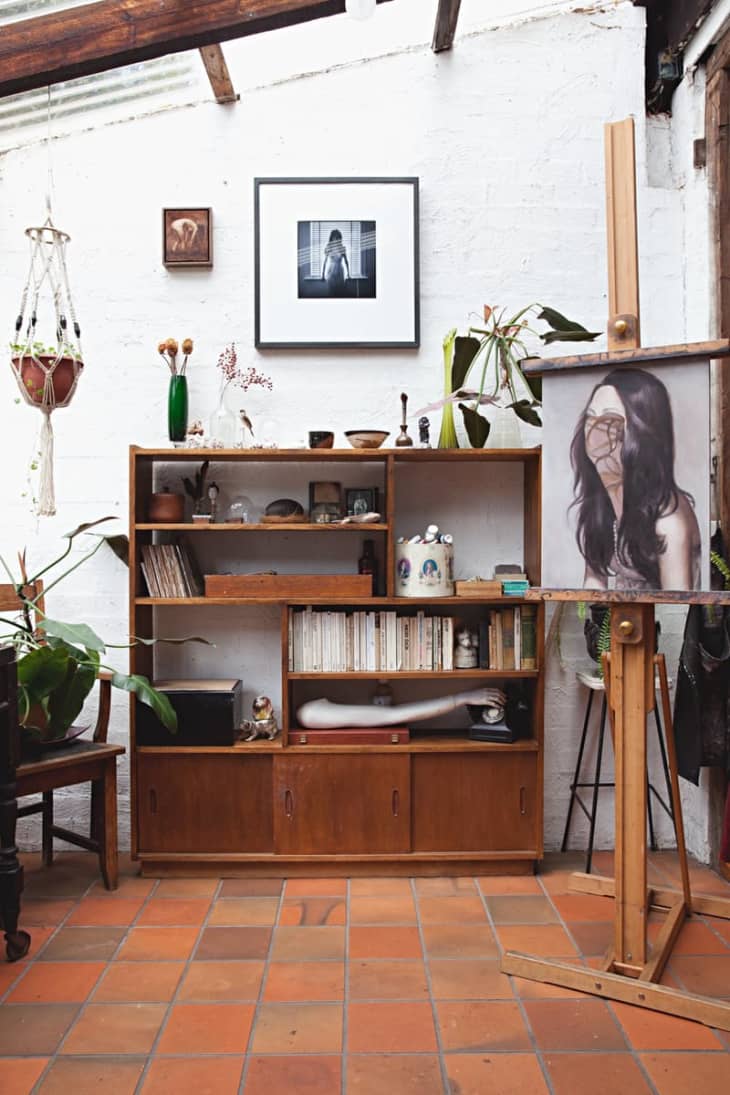
Embrace your earthy side with reddish terracotta tile, which is made from clay that’s fired and can be glazed or unglazed (so technically terracotta tiles are ceramic). “Warm and slip-resistant, terracotta is prone to chipping and staining, but it adds a cozy vibe to any space,” French says. She finds that it’s a wonderful choice for floors as well as on the patio and in the kitchen. Used since the ancient era, terracotta is quite weather-resistant and hearty on its own, but going with a glazed or sealed option can also help with this material’s porosity.
Kaminsky thinks terracotta tiles look best in Southwestern or Mediterranean style homes. But you could try this tile style in a country kitchen or warm minimalist bathroom as well.

9. Cement Tile
Composed of two layers — a cement base and a cement, sand, and typically pigmented top layer — cement tile is known for being extremely durable as well as heat- and scratch-resistant, making it another wise choice for any of the busiest areas of the home. Cement tile is “incredibly versatile and low-maintenance and can be used indoors on walls and floors, outdoors, and in wet areas,” Turgut says.
In addition to being highly utilitarian, cement tile offers plenty of customization opportunities, Turgut notes, explaining that one can choose from an array of shapes — subway tile being one example — as well as plenty of colors and patterns. Generally, the more intricate the design, the more expensive the tile, so keep this in mind as you’re shopping for this style of tile.
One of Turgut’s favorite places to install cement tile is in the entryway of a home. “It’s a great way to create impact,” she says. “A striped floor or a bold floral pattern will add an instant visual statement adding tons of personality and character to your interior.”
10. Quarry Tile
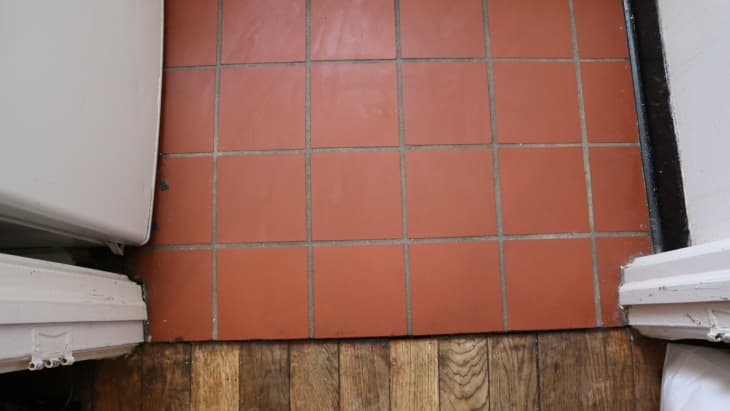
Unglazed quarry tile is made from a blend of dense clay, feldspar, and shale that’s fired in a process that’s similar to bricks, making it another excellent choice for high-traffic areas, according to Kaminsky. She recommends using it in commercial kitchens, outdoor spaces, and mudrooms. It’s not porous, so it tends to do well in very wet areas and sealing, while recommended, isn’t always necessary.
Quarry tile doesn’t offer much variety in that it’s only available in a few different earthy colors like red and brown. The surface can be a bit rough, which can cause dirt to collect, and these tiles can be hard underfoot. But they’re very long-lasting when appropriately maintained.

11. Zellige Tile
First made in Morocco of light clay sourced in the Fez area, zellige tiles are a subset of ceramic tiles that boast “perfect imperfection,” Turgut explains. Due to their irregular finish, no two zellige tiles appear the same. “It is these nuances that add an intriguing depth and character to an interior space like no other material,” she says. Turgut finds that this type of tile looks particularly at home in modern rustic spaces due to its hand-hewn texture, and she thinks they’re best utilized on walls (zellige floors are technically possible, but they won’t be perfectly level underfoot, and pieces can be quite susceptible to breakage).
Designer Emma Kemper, the founder of Emma Beryl, refers to zellige as “the ‘it tile’ of the past few years.” She adds, “It provides variation and interest to a space, and they can come in many fun colors.”
Beryl reiterates that beauty is in this tile’s imperfect qualities. “If you like a uniform look and don’t enjoy green tiles being multiple different shades and tones, then zellige may not be for you,” the designer says. Adds Kaminsky: “They bring a touch of global, bohemian flair to any room.”
Due to zellige tiles’ handmade nature, Turgut recommends working with a professional to install them. She also notes that unglazed zellige tiles should be sealed before and after being laid. Zellige can be a bit tricky to clean, too, since they won’t lie perfectly flush with one another, due to their slight variations in height.
12. Vinyl Tile
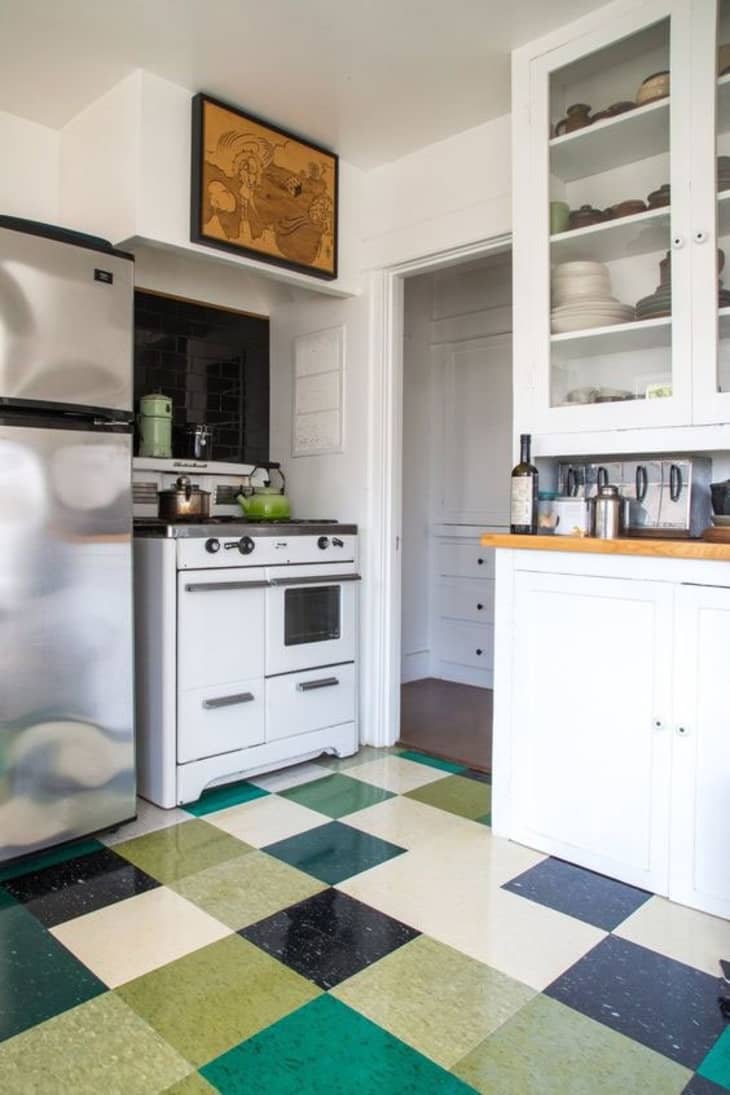
A budget-friendly choice, vinyl tile is made from four layers of material: vinyl backing, a vinyl core layer, a print layer, and a protective coating layer, explains Maedeh Ziaei Moayyed, interior designer at TriVistaUSA. You can find it in a variety of colors, patterns, and finishes, and it can be very DIY friendly, considering most styles are backed with adhesive or click-lock into place.
Vinyl tile is comfortable underfoot and fairly long-lasting but can be difficult to remove, especially if glue is used for installation. It’s also susceptible to dents and dings, making it somewhat vulnerable to showing wear and tear. Many styles are waterproof so it can be a great cost-cutting alternative for a bathroom or kitchen floor.
13. Metal Tile
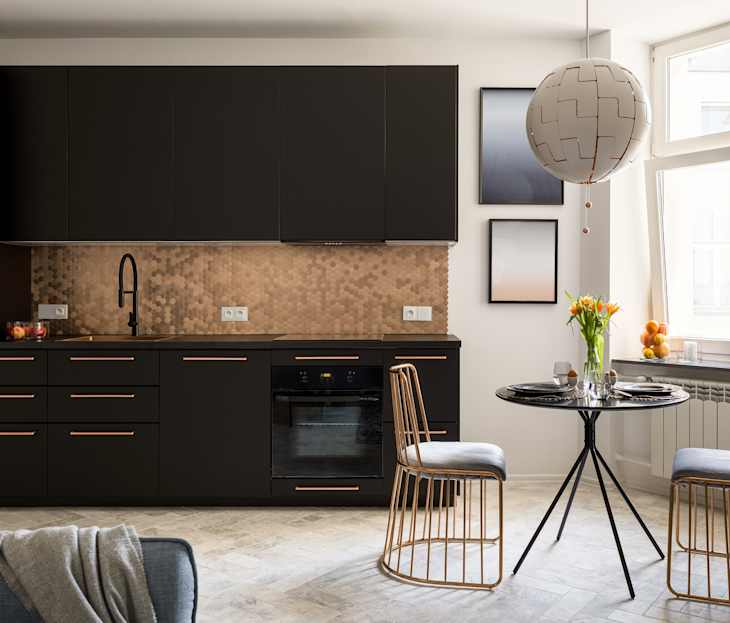
Metal tile — which can be made out of a number of materials including aluminum, copper, stainless steel, and more — will complement modern spaces nicely. These tiles fit in well with other industrial features, such as exposed brick, concrete floors, and visible ductwork.
According to Moayeed, metal tile can be expensive to install and also scratch- and dent-prone. For this reason, you might steer clear of flooring applications and stick to walls for installation, such as on a kitchen backsplash. There, metal mosaics or subway-style tiles can last for years, but you’ll want to be sure to keep them clean and dry to prevent rust formation.

14. Terrazzo Tile
Terrazzo tile consists of chips of marble, quartz, or other stones that are then bound together to create a beautiful, color-flecked design. Durability is key with this hard, sturdy tile style. That’s why you’ll see it installed in so many public spaces like schools, hotels, and government buildings.
Designer Mally Skok Design appreciates terrazzo tiles because “they look modern even though their roots are very ancient — terrazzo was a favored floor finish in Italian buildings going back centuries.” Try them anywhere you’d like a pop of color or in a mid-century modern-inspired space, an era where terrazzo surged in popularity. The downside here is that terrazzo can be expensive and difficult to install, so a project with these tiles is probably left to the pros.
15. Travertine Tile
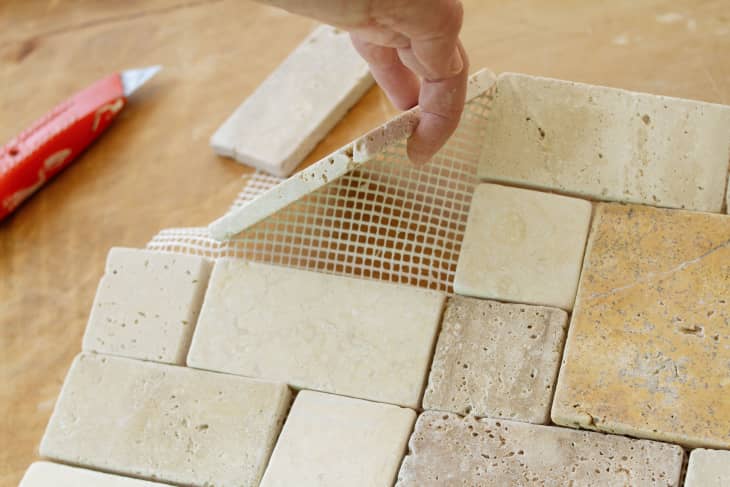
French refers to travertine tile, a type of limestone tile that’s usually tan or earthy in color, as “marble’s laid-back sibling” and notes that while a bit easier to care for and durable, this hard tile is still filled with character and will require regular sealing for best results. She recommends using the tile on floors — including bathroom floors — as well as on the patio. “Travertine loves to lounge around in a Tuscan villa or sunbathe by a pool in a fab courtyard,” French says.
Looking to think outside the box a bit? Consider walnut travertine. “It can have a rich leathered appearance which looks great in foyers and laundry rooms,” Oursler says.
Though a bit cheaper than other stones, travertine will still set you back more than most ceramic tiles. Installation can also be time-consuming because travertine is very heavy and hard; best to leave this one to the pros.