
What Is Scandinavian Design? 3 Major Rules All Designers Swear By
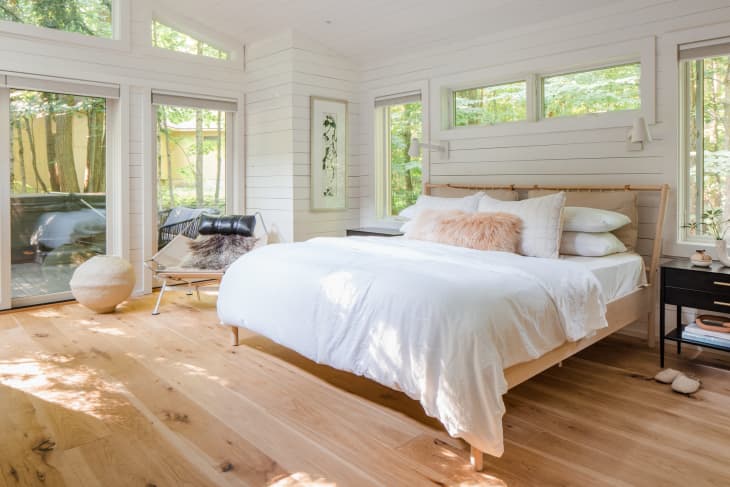
Before Scandinavian design became synonymous with pale wood floors and clean-lined chairs, it was a response to everyday life in the Nordic countries (Denmark, Norway, Sweden, Finland, and Iceland). It developed in response to the region’s long, sun-deprived winters, shaping its emphasis on natural materials, usefulness, and bright interiors.
Beyond its cozy sense of “hygge,” the Danish concept of contented well-being, Scandinavian design is also philosophical. It reflects an investment in craftsmanship and the belief that well-made objects can — and should — improve daily living.
“Scandinavian design is known for its warmth and simplicity,” says architect Karen Frome, owner and founder of New York-based Rise Projects. “Their theory is that design should be present in all aspects of life to enrich and elevate the everyday experience. It creates a beautiful and eminently livable aesthetic, but more importantly, it maintains that design is for everyone and not a luxury commodity. ”
That democratic spirit helped make Scandinavian design one of the most influential global aesthetics of the 20th century. Namesake designers like Alvar Aalto, Arne Jacobsen, and Hans Wegner created pieces that weren’t just visually striking; they were also pragmatic and eternally in style. That unpretentious, practical mentality still shapes Scandinavian interiors today.
What Exactly is Scandinavian Design?
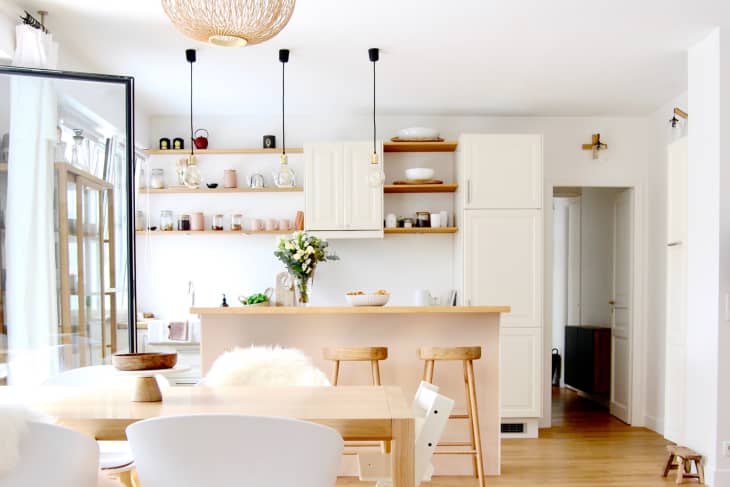
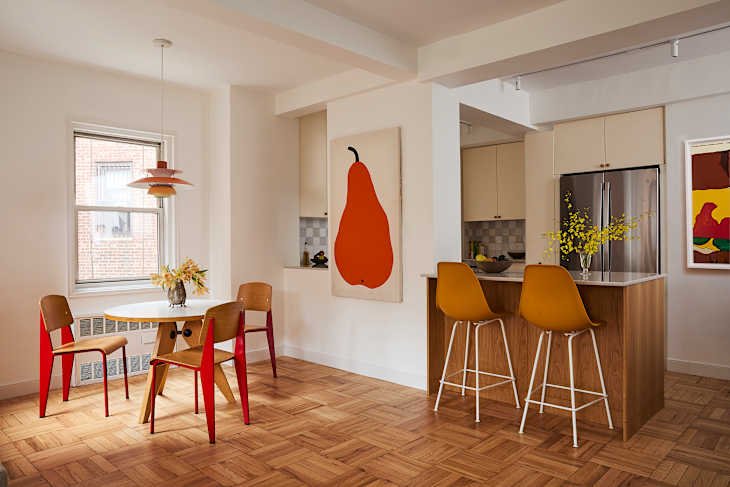
At its core, Scandinavian design is a balancing act: Simple but not sterile, thoughtful without trying too hard, and utilitarian yet not rigid. It leans minimalist in its style, yes, but softened by tactile materials and inviting textures. Most importantly, its design is defined not just by how a space looks but how it feels.
“Scandinavian design blends minimalism and warmth,” says Los Angeles-based interior designer Sarah West. “Each space is created with intentional choices that emphasize function.”
Clean lines and neutral color palettes guide the framework, while natural textures — wood, wool, leather, and linen — give the style depth.
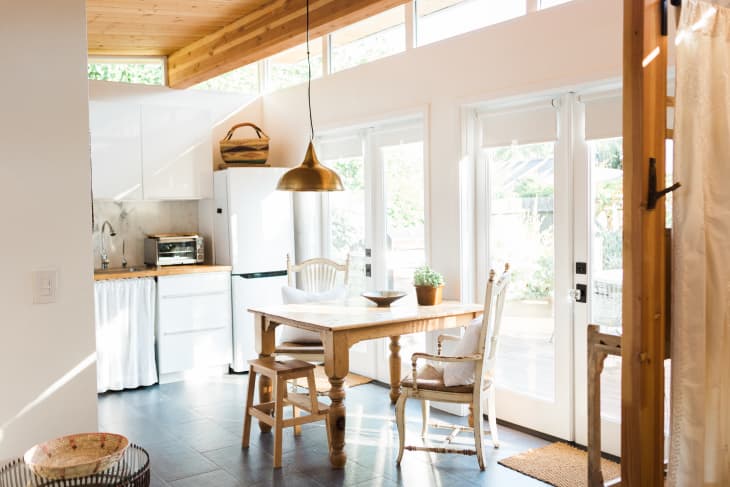
Lived-in warmth is what differentiates Scandinavian interiors from other minimalist styles. A room may be pared back, but it’s never cold. Architect Marina Bourderonnet, founding partner of FAME Architecture & Design in Los Angeles, explains, “Scandinavian design is about coziness and the true feeling of home. It celebrates timelessness and the simple things in life: a warm wooden floor, a soft throw, light filtering through large windows. It’s the kind of space that makes you feel grounded, cared for, and at home.”
Ultimately, Scandinavian design endures because it isn’t just visually appealing; it also promotes serene spaces that enhance daily routines.
When Did Scandinavian Design Become Popular?
Designmuseum Danmark traces the global rise of Scandinavian design to the 1950s and ’60s, when Nordic designers introduced a warmer take on modernist design. Their approach stood in contrast to the era’s more austere interpretations that didn’t focus on comfort at all.
The Vitra Design Museum, which houses one of the largest collections of Nordic modernist furniture, credits designers like Alvar Aalto — with his gently curved armchairs, iconic vases, and major institutional buildings — with shaping international perceptions of Nordic style. “He took the hard edge off the modernist movement using organic shapes, warmer materials, and a lighter palette,” Frome explains.
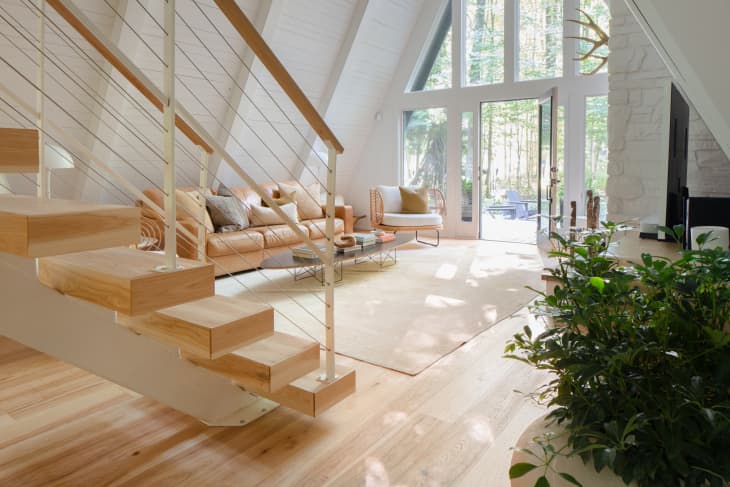
Today, Scandinavian design remains influential, reflected in the enduring popularity of warm minimalism, natural materials, and functional living. Design lovers across continents continue to draw on its principles. Bourderonnet attributes this staying power to how Scandinavian spaces embody “calm, comfort, and harmony,” a balance that feels both grounding and livable.
3 Essential Scandinavian Design Principles You Should Know
Scandinavian design may look effortless, but its visual clarity is built on a handful of core principles. These ideas anchor the style, creating spaces that are both practical and pretty.


5 Tips for Bringing Scandinavian Style into Any Space
Scandinavian design is surprisingly easy to incorporate into any home, no renovation required. A few adjustments can shift a room toward the calm, warm minimalism the style is known for.

Start by Decluttering
Before adding any new Scandi-inspired elements, begin by clearing visual noise. “Step one is to declutter, so you can create clean surfaces on tabletops, counters, and floors,” says Lara Apelian, founding principal of the New York-based architecture and interiors firm Lara Apelian Studio. Stripping back allows the architecture and existing materials to breathe, revealing what the space actually needs.

Layer Ambient Lighting
Lighting is the quickest, most transformative update. Swap harsh, cool bulbs for warm ones (specifically 2,700 Kelvin) and install dimmers wherever possible. Consider outfitting your windows with sheer curtains to soften daylight and provide subtle texture. Then, layer your lighting: Pendants, floor lamps, table lamps, and candles create depth and prevent reliance on a single overhead light.

Add Texture
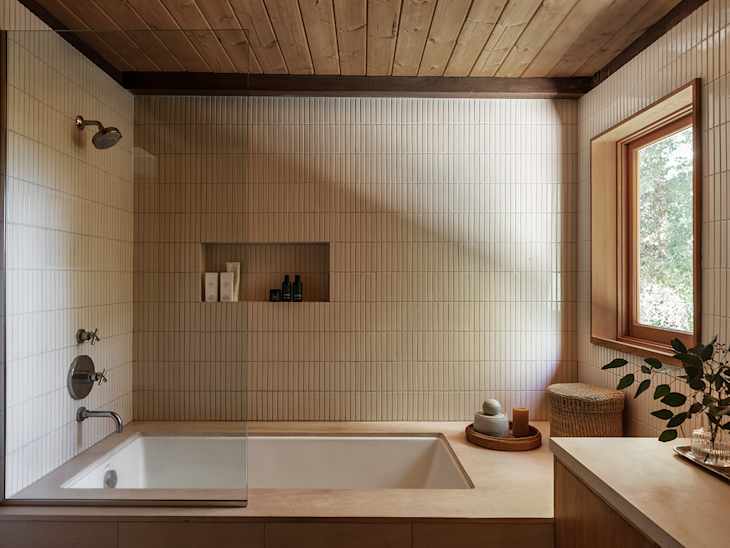
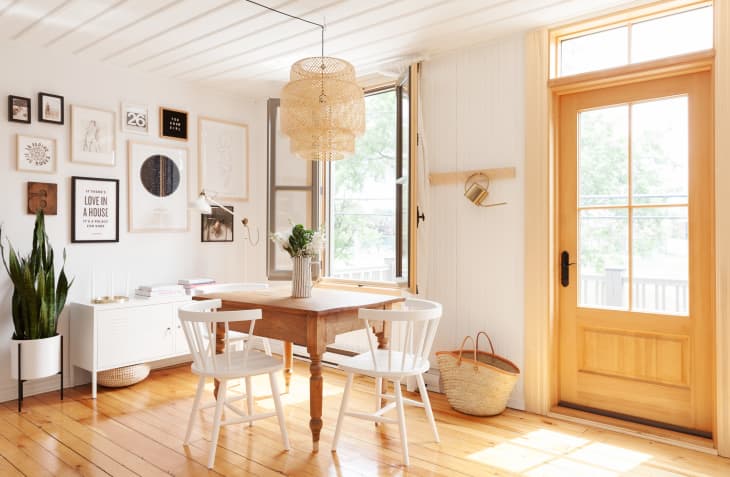
Texture, texture, and more texture keep minimalist rooms from feeling flat. Layer wool rugs, linen pillows, chunky knit throws, and faux sheepskins to create dimension — and a soft place to rest your head or feet.
Design Defined
Never miss the style inspo and recommendations you crave with Design Defined. Follow along each week as our Home Director Danielle shares the best style advice, latest trends, and popular decor finds you just can't miss.