
What Is Modern Design? How Experts Interpret This Evolving Aesthetic
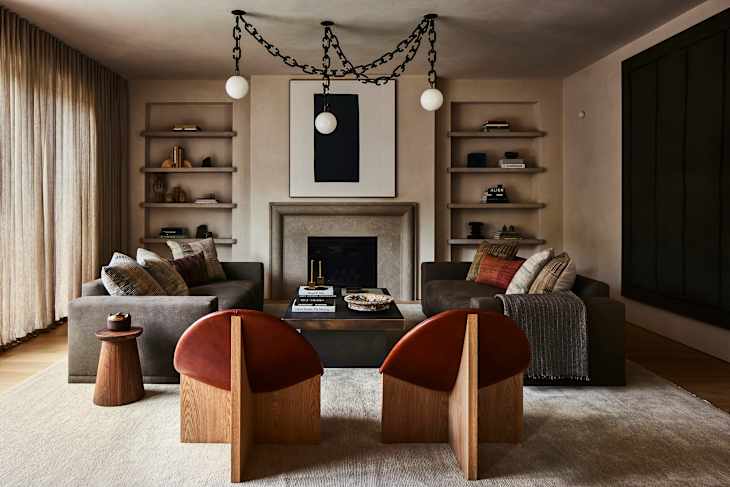
Modern design is one of those terms in home decor that feels like a moving target. Modern, by its definition according to Webster’s Dictionary, is “of, relating to, or characteristic of the present or the immediate past; contemporary.”
So what does that mean when “of the present or the immediate past” is constantly moving forward?
“Modern design is open-concept, with clean lines, and a flow through a home without clutter,” explains Sallie Lord, principal and founder of Virginia-based GreyHunt Interiors.
This design style puts an emphasis on lines and accents that feel bold and high-impact. It’s both of the moment as well as timeless — and while it does shift with each passing year and decade, the focus on stylish function and sleek materials remains the same.
To dig into the core characteristics and motifs that define modern design, several designers shared insights, signature tactics, and their approach in projects they’ve worked on.
What Is Modern Interior Design?
If it feels like “modern” is super broad when it comes to interior design, you won’t be surprised to learn that designers agree. Megan Pflug, founder and principal designer of Megan Pflug Designs, explains that the category can even be interpreted as two different things.
“With a capital M, it refers to the mid-century movement, with clean lines, metal, glass, and wood,” explains Pflug, referencing a design aesthetic that, while pinpointed to the 1940s through 1970s, is still active today. But, she adds, “In the broader sense, ‘modern’ often just means contemporary.”
That is the side of modern design that can evolve over time; at its core, it is often contemporary, clean, minimalist, and sometimes industrial-tinted. It was a rejection of the ornate, over-the-top, decorative styles that came before it. Modern interiors embrace a look that feels back-to-basics while also being incredibly intentional.
“Modern design is defined by clean lines, simple forms, and a minimalist style,” explains Jessica Nicastro, principal designer of Los Angeles-based Jessica Nicastro Design. “It focuses on functionality and avoids unnecessary details, while using neutral colors and natural materials to create a sleek, uncluttered look.”
Modern rooms are spaces where humans can feel at ease, undistracted by excess or maximalism. Miranda Cullen, owner and principal designer behind Denver-based design firm Inside Stories, adds: “Modern design strips away the unnecessary, letting function, space, and honest materials take center stage.”
A History of Modern Style
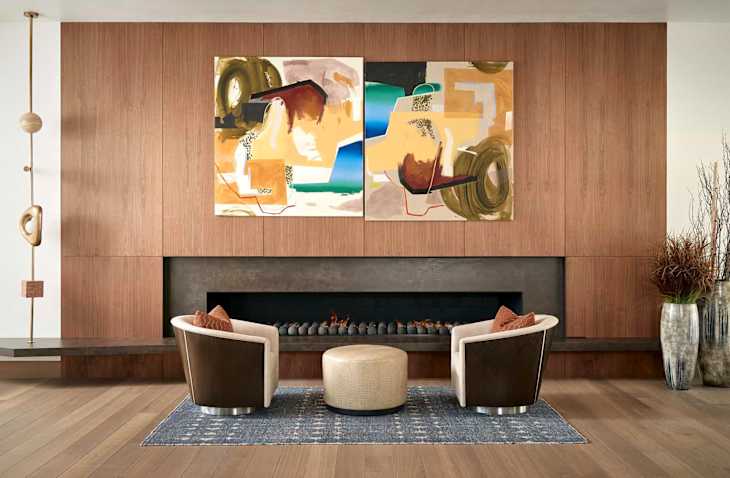
Modern design first debuted as part of the design community’s vocabulary in the late 19th century, when the early Arts and Crafts style pioneers looked for an alternative to the heavy and ornate styling of Victorian design. While Arts and Crafts’ dark, heavy furniture and moody botanical wallpaper might seem at odds with what we think of as modern today, this movement towards straight lines and sweeping curves was a first step in the right direction towards modernism.
The movement continued to grow as industrialism expanded and the Machine Age set in. From the architectural-inspired lines of Art Deco in the 1920s to the rise of neutral, light, contemporary Scandinavian design in the 1930s and post-World War II, the aesthetic continued to evolve. By the middle of the 20th century, it had become the mid-century modern style, which is still what many consider true modern design today.
“From the Bauhaus to today’s eco-conscious minimalism, modern design has always been about capturing a balance between beauty and utility,” Cullen shares. “Today’s modern design often borrows aesthetics from those roots but adapts them for new contexts.”
The word modern might feel like it’s talking about today — but as Lord explains, modern design has been around in some form for over 100 years. “People then and now want to simplify life in all ways; through materials and architecture,” she adds.
9 Modern Design Characteristics to Know
Whether a modern-style room is 10 years old or 100 years old, many of its core characteristics will remain the same. Here are a few of the tenets to look for in any space.

Minimal Details
Some design eras may have elegant crown molding and other architectural details that feel plucked right out of a historic home, but modern design is rooted in the belief that less is more. There’s no need for curated collections here. It’s all about keeping things minimal.
“It’s less trim work, larger windows, architectural details, and minimal accessories. It’s a fresh, clean vibe that feels peaceful,” says Lord.
Open Floor Plans
Open floor plans might be a hot topic these days, but most modern spaces will have fewer walls and more gallery-inspired spaces. “These elements create a sense of simplicity and openness that’s repeated often in modern architecture and interiors,” Nicastro says. “The focus is on function, flow, and minimalism.”
Scandinavian and Japanese Influences
There is a strong influence of international design cultures in modern style, especially since modern design came of age during an era when consumers became more connected to those around the world. Some cultures have always emphasized minimalism in core design tenets, and that shows in their ties to modernism.
“Motifs that appear again and again draw from Japanese and Scandinavian influences: pared-down forms, intentional furniture choices, and an emphasis on how people actually use a space,” explains Pflug.
Multifunctional Spaces
At the point in history when modern design became popular, multifunctional spaces were a key element. During the mid-century years, there was a focus on comfort and functionality for families, and that led to a rise in spaces that felt less formal and more user-friendly. “Functional built-ins such as sunken living rooms, banquettes, and multifunctional spaces are all hallmarks of modern design,” Pflug says.
Embrace of Simplicity
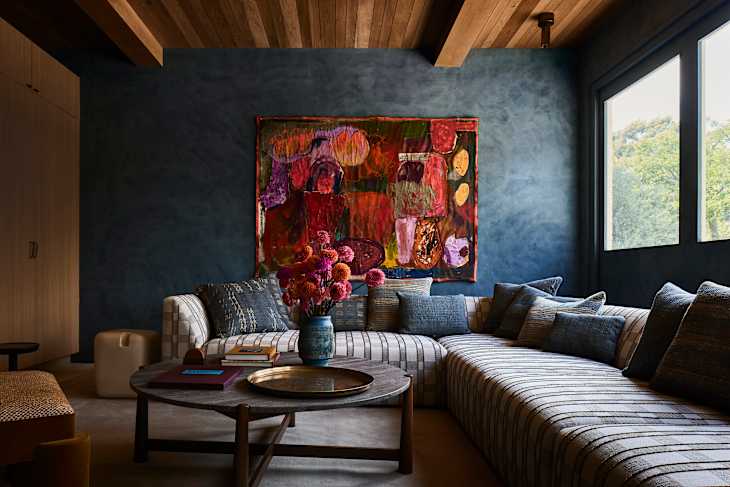
“Modern design, to me, is about removing the unnecessary so that what remains is meaningful and beautiful and always relevant to the present moment,” says Sara Mosele, interior designer and owner of New York-based Sara Mosele Interiors.
Modern interior design removes the clutter and excess, focusing on strong lines that tell a story through their simplicity.

Sleek Materials
Glass, wood, and metal are core elements of modern interior design. They create a look that’s sleek and contemporary.
“The use of materials like glass and metal, along with a minimalist approach, really shaped the style. Those same elements influence my work today, including materials that feel modern and timeless,” Nicastro shares.

Clean Lines
“The primary style characteristics that define modern design are clean lines, open space, and geometric balance,” explains Cullen.
But she adds that they’re being used in different ways in today’s interpretations of modern design: “Clean, horizontal and vertical lines are motifs that are classic of this style, but one adaptation we are loving is integration with nature, where modern designs utilize these clean lines with natural materials.”
This combining of linear movement and nature merges indoors with the outdoors, which is another key component of modern interior design.

Curvy, Organic Furniture Silhouettes
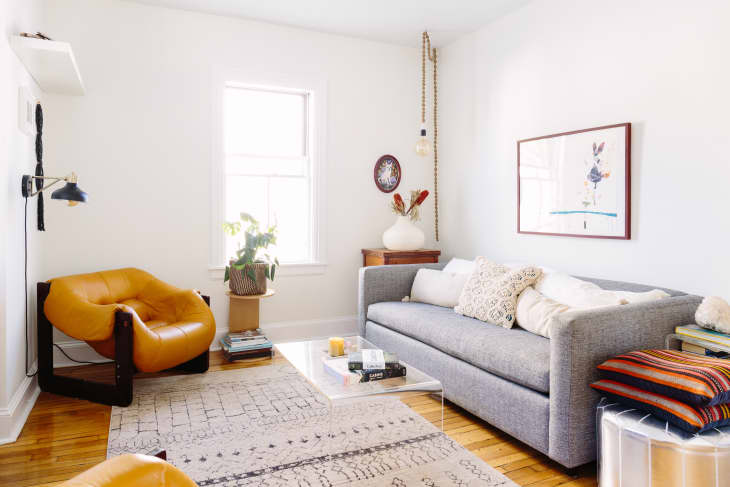
Many of the iconic modern furniture silhouettes (including the sofa pictured above!) are both minimalist and curvy. They’re simple shapes, yet they make bold statements. They’re organic and full of movement. It’s a contrast that’s seen throughout modern design.

Focus on Clarity and Proportion
When stripped down to its most basic form, modern design is clear and balanced. “Modern design is about clarity, proportion, and allowing the materials to speak. It’s never decorative for its own sake,” Mosele says. “Every element serves a purpose.”
8 Stylish Examples of Modern Interiors
Because of its clean, sleek lines and clutter-free styling, modern design can feel aspirational rather than attainable. But these examples show that it can be right at home in even the most livable of spaces.
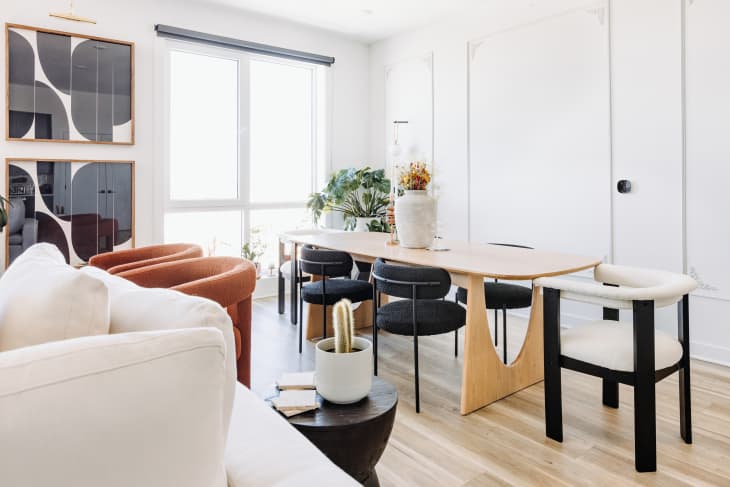
A Sleek Modern Dining Room
A muted color palette of black, white, and light wood melds together in a high-contrast look that’s more striking than subdued in this Philadelphia home. The geometric shapes of the furniture feel both minimalist and sculptural.

A Vibrant Modern Living Room
While modern design often earns a reputation for being dominated by signature neutral colors, occasionally you’ll see it with a vibrant range of hues. Sleek furniture silhouettes get a dose of color with a navy sofa against a bright turquoise wall in this modern townhouse in Norway.

A Modern Open-Concept Living Room
This A-frame is a back-to-nature style of modern architecture, and this open-concept living space combines classic mid-century modern furniture styling with warm wood tones. With big windows and clean lines nestled into a Palo Alto, California, woodland home, the living room space blends indoors and out perfectly.

A Smart, Small Modern Kitchen
Minimalism is a hallmark of modern interior design, and this kitchen in a stunning Barcelona flat is careful not to introduce any decorative excess. A pop of bright yellow is an unexpected contrast to the sleek, industrial lines of the gray and white cabinetry.

A Well-Organized Modern Bathroom
Natural wood tones meet a clean, minimalist backdrop in a modern bathroom in this overhauled South Carolina townhouse. From the sleek white subway tile to the hardware-less cabinetry and the simple round mirror, there is a keen balance that avoids excess ornamentation. It’s functional and clutter-free, yet still feels styled.

A Spacious Modern Bedroom
Mid-century modern furniture gets a quirky turn in this space, where a floating fireplace and a hammock chair add a space-age look. The color palette is neutral in this new-age Australian home, but a vibrant rug adds just a touch of color.
A Modern Minimalist Living Room
Retro furniture silhouettes with curvy shapes and clean lines give this living room a modern feel. The warm neutrals and wood keep this Providence home feeling human and natural, even with a clutter-free finish.

A Modern Entryway Layout
A sweeping arch adds definition to a modern open floor plan layout in this Barcelona studio apartment. The sleek concrete floors and white backdrop give it a clean, modern look.