
10 Small Front Yard Landscaping Ideas to Boost Your Home’s Curb Appeal
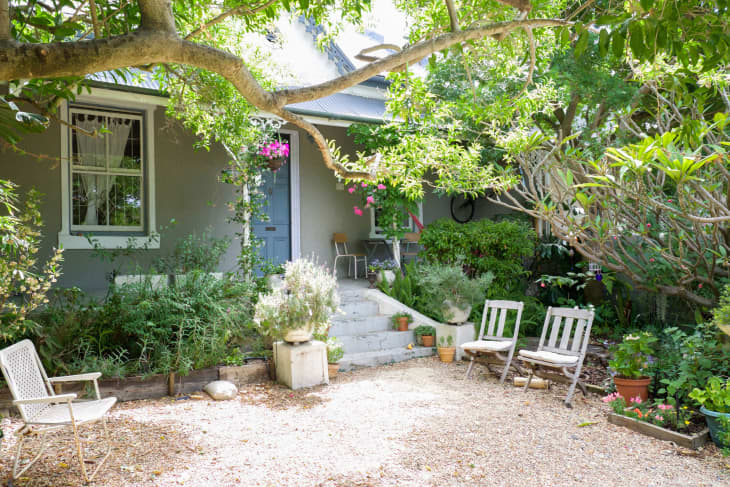
Just because your front yard is tiny doesn’t mean it can’t be impressive. In fact, even the tiniest front yard can have a high impact and add curb appeal if you know how to maximize your space. And while you may resolve to pull out existing plants and create a yard that requires mowing, there are many other creative options to keep you from using grass-controlling machinery this year.
Whether you’ve just moved into a home that’s low on outdoor space or want to refresh the front yard before your listing agent hangs the “for sale” sign, incorporating a few creative ideas into the landscape will do a world of good. These easy-to-implement ideas for small front yard designs will help your outdoor space shine.
1. Work with what you have.
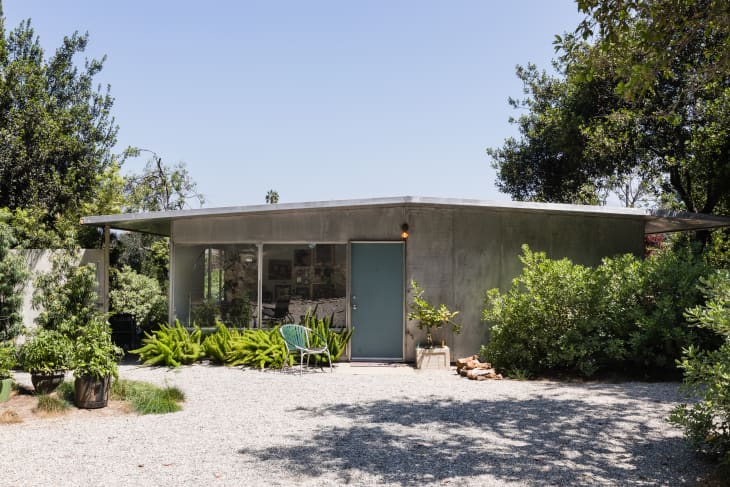
If your yard already has established trees and shrubs, make the most of what is in place. Anna Ohler, a gardening expert at Bright Lane Gardens, says that existing plants can create a beautiful base of focal points. “If you have a few trees that already exist in your yard, plan to keep those in place unless they are diseased or damaged,” she advises. Mature plants may need to be reshaped or trimmed, but as long as they are healthy, include them in your plans.
2. Use plants in unexpected places.
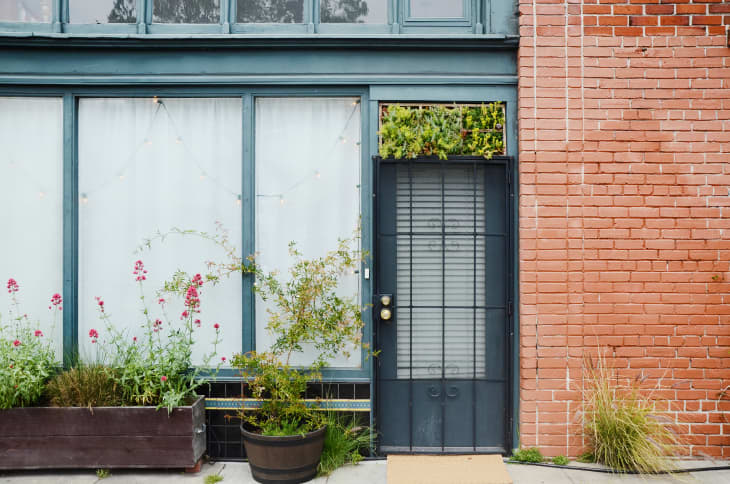
Plants on the ground? Not so surprising. Above the door? Definitely not something you see every day. To bring a similar style to your home, look for spaces in your front yard or around your entryway that receive enough light to nourish live plants, and create containers to fit those spaces.
3. Work around your walkways.
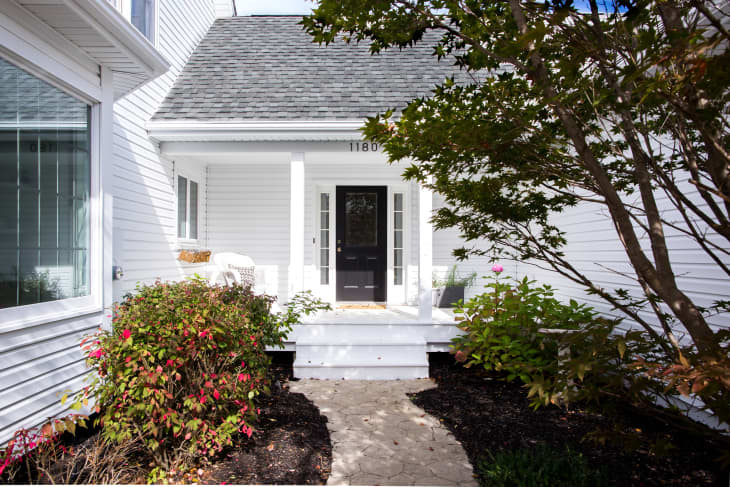
Chances are the layout of your front yard includes a way to get from the sidewalk or driveway to the entryway. Because these are usually permanent or expensive to replace, make note of their locations and plan around them. “Identify pathways, decks, patios, and open areas of lawn first,” says Ohler. Having specific features already set in place will help you fill open areas with landscaping and identify where to spend your time next.
4. Vary the heights of plants.
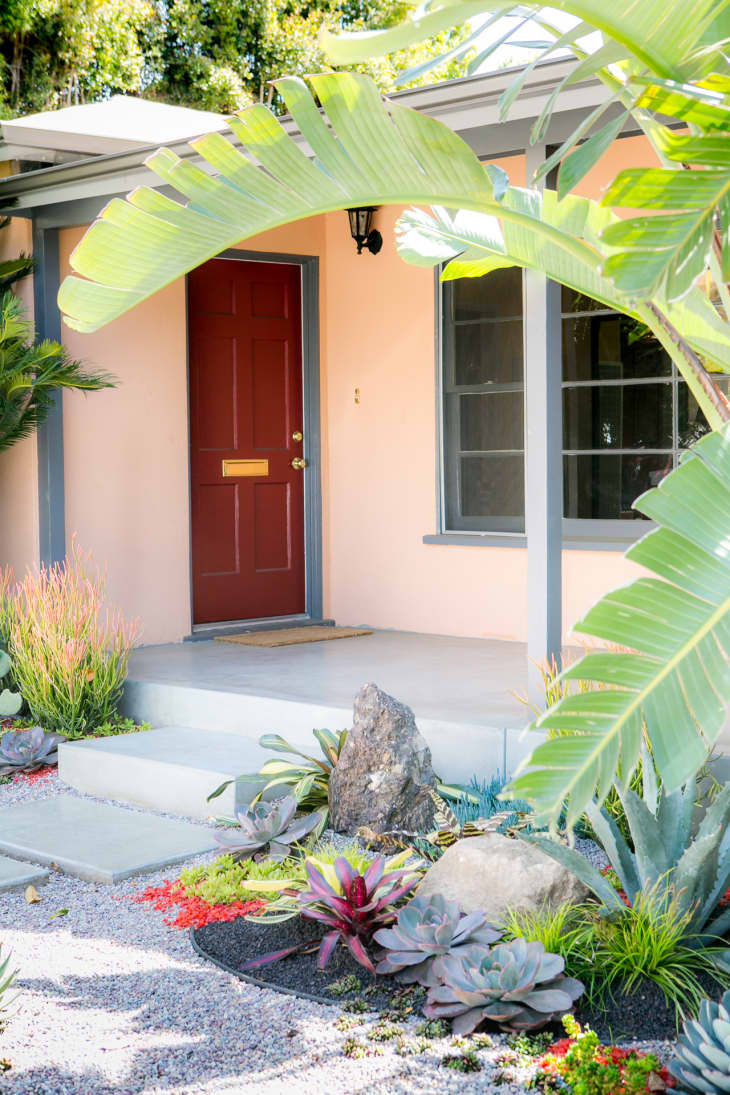
Once your focal points, such as large trees and pathways, are established, you can concentrate on adding ornamental plants. However, Ohler recommends avoiding tall plants, which can overwhelm the well-placed shrubs and trees already in place. She suggests keeping neighboring plants at least two feet shorter than the tallest shrubs. Varying heights help larger plants to stand out. If you love tall flowers, such as phlox and asters, prune them early in the growing season so you can still have your favorite blooms without them growing too tall and lanky.
5. Arrange an eclectic mix of containers.
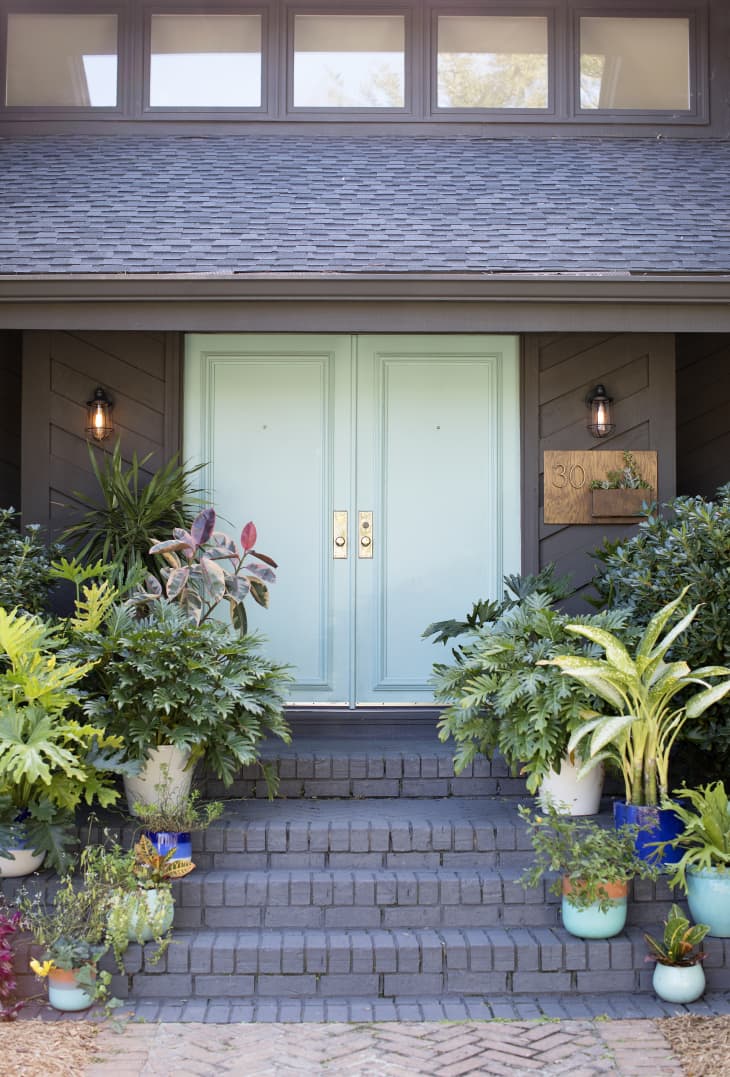
When you’re indecisive, container gardening is one of the most versatile choices. Not only will you have the flexibility of moving your focal points around, but you can also vary annuals from year to year. “Container gardens can easily be rearranged to suit the season or your design preferences, offering endless possibilities for creativity,” Brock Ingham of Bigger Garden advises. After choosing decorative pots that match your style, plant a mix of flowers, herbs, or small shrubs in containers, arranging them strategically around your entrance or along the pathway.
6. Add shade plants around trees.
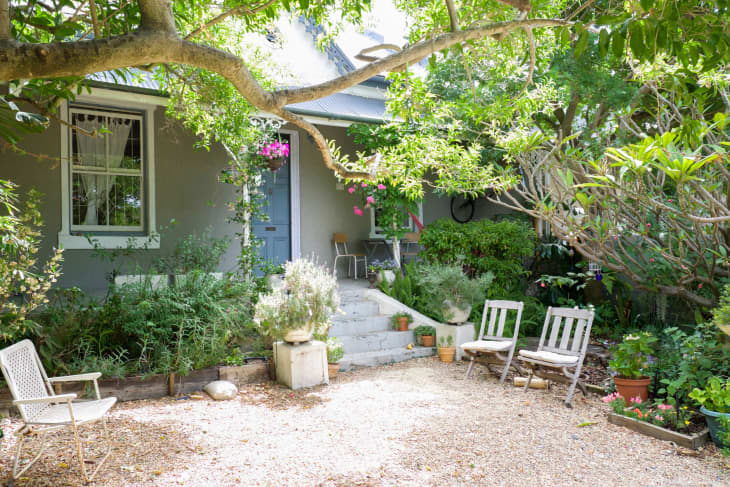
One way to maximize your space without causing overwhelm is by using landscaping plants at the bottom of your tree trunks. Ohler suggests varieties like ferns, primrose, hostas, or coral bells, which can all tolerate the shady conditions caused by taller vegetation. However, you should select plants that won’t hinder the tree’s growth. “Choose smaller plants with shallow root structures to ensure your new plants do not interfere with the tree’s own root system,” Ohler recommends. These lower plants can quickly turn an often unsightly area into a lovely green space when they don’t compete with the trees they surround.
7. Go vertical with your plantings.
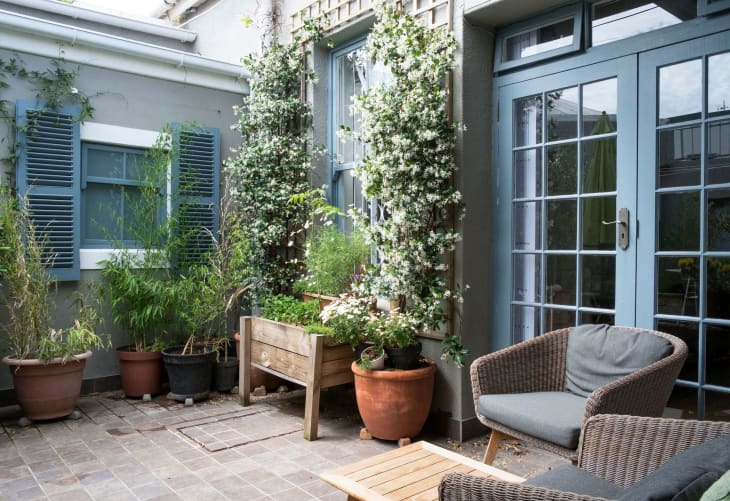
While you should heed Ohler’s advice and select shorter plants, consider using the space against your home to let plants trail upwards if you want to go tall. Ingham recommends installing wall-mounted planters, trellises, or living walls to cultivate a lush, vertical garden. Plants like jasmine, morning glory, and cascading ferns all work well in a skyward application. A bonus to adding these types of features is that they can make a small yard feel lush while adding an element of privacy.
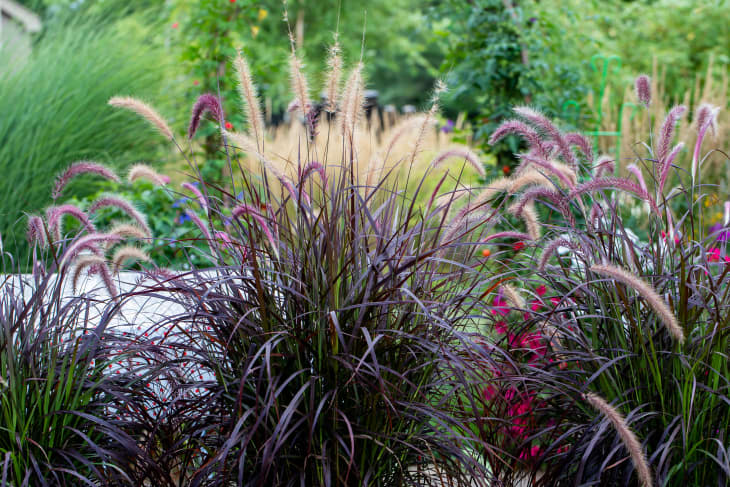
8. Use ornamental grass.
Unlike traditional grass used for lawns, ornamental grass is lower maintenance and can add soft whisps of neutral coloring. Ohler says that ornamental grasses are a substantial asset to any landscaping. Many varieties can grow as tall as six feet high, while some types stay stubby at just six inches. If you don’t have shrubs and want to shy away from having to prune bushes, ornamental grasses are a beautiful way to add texture. “Many boast fun tassels or a unique color change in the fall as well, giving your yard great fall interest,” she adds.
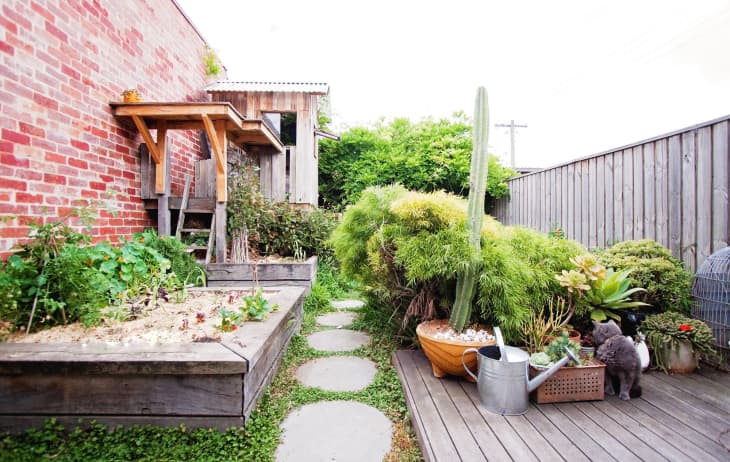
9. Plant ground cover.
When staring at a blank space, try not to cause visual confusion by adding too many bushes. Although shrubs are fabulous landscaping additions because a single plant can cover so much area, Ohler says that too many can quickly overwhelm a space. Instead, she recommends selecting a few shrubs that thrive in your region and filling the holes with ground cover. Plants like sedum, bearberry, phlox, and creeping thyme will all spread quickly and keep your yard looking tidy.
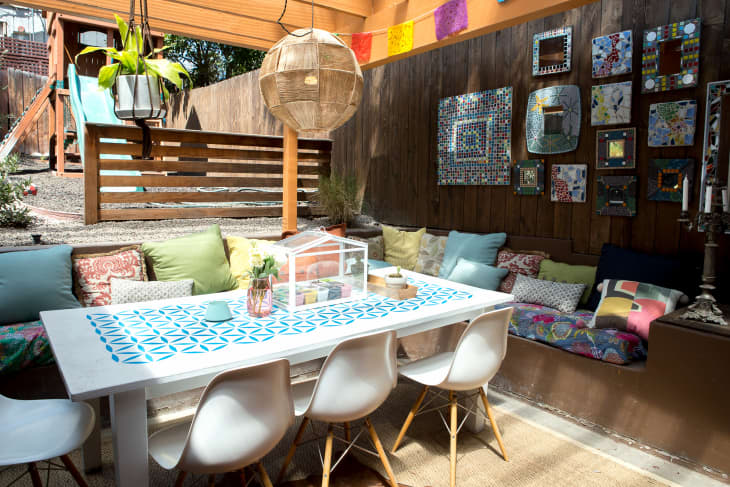
10. Add reflective mirrors to make the area seem larger.
Often, folks want to bring some of the outdoors inside, but why not do the opposite and use mirrors in your compact front yard? Ingham admits it’s unconventional, but the uniqueness adds a lot of visual intrigue. “It may seem a bit out of the ordinary, but when strategically placed on a fence or wall, they reflect natural light and the surrounding greenery, giving the illusion of a larger space,” he says. It’s the same reason designers place mirrors in hallways and dining rooms. Plus, the reflection can add dimension and ambiance to your outdoor space.