
10 Ways to Infuse Your Space with Afrohemian Design, According to Experts
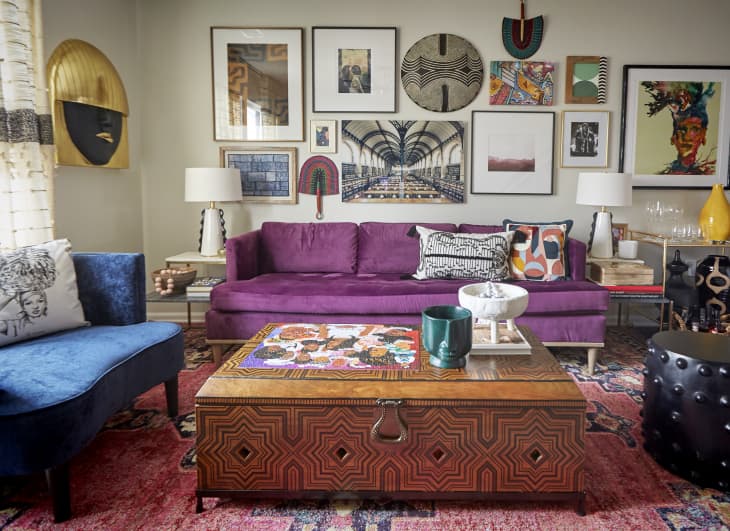
Each year, everyone’s favorite vision board app sets out to uncover the most compelling fashion, beauty, home, and lifestyle aesthetics on the cusp of becoming the next big thing. This year, the Pinterest Predicts 2026 report showcased 21 trends worth keeping tabs on, one of which is capital-P perfect for Black History Month. Enter: Afrohemian Decor.
According to the report, “2026 will bring a fusion of African and bohemian styles, thanks to Boomers and Gen X. Searches for ‘African boho living room’ and ‘Afro chic home decor’ are trending up on Pinterest, taking home spaces to Dakar and beyond.”
While the report suggests that adopting the trend is as simple as filling your home with colorful Nigerian textiles, Ethiopian wall art, handwoven baskets, and natural fiber rugs, we chatted with a few of our favorite interior designers about how to infuse your space with curated and conscientious Afrohemian design.

What Is Afrohemian Decor?
“I love this trend, and when it’s done thoughtfully, it feels layered, soulful, and deeply personal,” says DuVäl Design Lead Designer DuVäl Reynolds. “To me, Afrohemian design is where global bohemian ease meets the richness, craft, and storytelling of African design traditions. It’s warm and textural, with a collected-over-time feel rather than anything overly polished or matchy. You’ll see natural materials, handmade pieces, earthy color palettes, bold but meaningful patterns, and decor that feels rooted in heritage. It’s less ‘boho clutter’ and more curated warmth — artisan-driven, not algorithm-driven.”
While many retailers sell furniture and decor that radiate the Afrohemian aesthetic, it’s wise to shop thoughtfully when experimenting with this interiors trend. “One thing I always mention with this aesthetic is that it’s important to approach it with respect,” Reynolds shares. “When possible, sourcing from African artisans or Black-owned makers adds authenticity and supports the communities that inspire the look.”
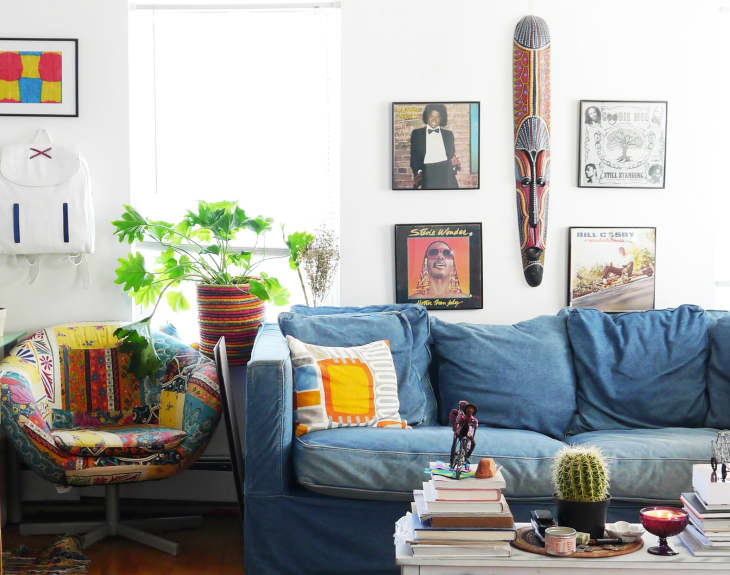
“Less is often more — you don’t need dozens of patterned pillows; you need a few really good, textural pieces that tell a story,” Reynolds reminds us. “When Afrohemian design is done well, it feels expressive, grounded, and layered — bold without being loud, and curated without feeling staged.”
With that in mind, here are 10 homewares (and the trend-defining themes that they represent) that, individually and collectively, can add an eye-catching Afrohemian touch to your abode.
The Afrohemian Palette
The Afrohemian design trend has its very own palette. “Instead of pastel boho tones, Afrohemian leans into warm, sunbaked hues like ochre, clay, burnt sienna, deep browns, olive, and sand, often balanced with black for contrast,” Reynolds says.
Beyond specific colors, cozy design influencer Wes Taylor says that the Afrohemian aesthetic is earthy and layered. “It features earth tones and strives to harmoniously blend textures, colors, and features as they appear in the real world,” Taylor says. “Adding in wood, leather, and baskets adds another level of interest, and finishing with African art and accessories further grounds the space.” (More on that in a bit.)

Oversized Art
If you’d rather draw attention to your walls than your floors, Beth Diana Smith, CEO and principal designer of Beth Diana Smith Interior Design, points out that oversized art is a key feature of Afrohemian design. “Large-scale framed pieces or wall hangings create instant impact and serve as a powerful focal point,” she says. “Colorful imagery and bold patterns, such as Kuba cloth, help visually anchor the Afrohemian aesthetic and bring cultural storytelling into the space.”
Reynolds agrees. “Large-scale statement art also helps define the look, especially pieces that celebrate Black culture or abstract works in earthy tones,” he says, noting that the walls in Afrohemian-inspired spaces shouldn’t feel timid.”

Mudcloth and Kuba Cloth
As Smith mentioned, Kuba cloth is a prominent African pattern. So much so, in fact, that Reynolds says it’s a defining feature of Afrohemian design. “If I had to narrow it down to a handful of elements to really get the look across, I’d start with textiles like mudcloth or Kuba cloth,” he reveals. “Their graphic geometry and intricate patterns immediately anchor a space and bring cultural depth, whether used as pillows, throws, or even framed as art.”

Decorative Baskets
Woven baskets are a staple of Afrohemian design, lending to the textured, layered aesthetic. “In varied sizes and patterns, baskets offer unexpected storage while adding texture and cultural storytelling,” Smith says.

Rattan Pendants and Woven Elements
In addition to functional storage baskets, Reynolds says woven elements like rattan pendants, wall baskets, and floor baskets are a must in Afrohemian spaces. “They add texture and dimension while keeping the space light and breathable,” he explains.

Sculptural Wood Pieces

According to Reynolds, structural wood pieces like hand-carved stools, chunky side tables, and organic-shaped decor help Afrohemian spaces feel grounded and substantial.
Neutral Textured Area Rugs

If you can’t imagine your floors without a hint of color, though, don’t fret. “Layered rugs, such as a natural jute base topped with a patterned or vintage-style rug, create that evolved, collected feeling,” Reynolds says.
Shapely Side Tables
The structural aspect of Afrohemian design extends into small-scale furniture. According to Smith, shapely side tables make for “a versatile, movable piece that brings both artistry and functionality into the home as needs evolve.” Just look at the 54kibo Djembe Natural Drum Side Table, for example. The rich woodgrain gives the uniquely shaped piece a warm, textured appeal. Meanwhile, the lightweight design makes it easy to move around.

“Shape matters most here; strong silhouettes and organic forms elevate the space and reinforce the collected, curated feel of Afrohemian design,” Smith adds.
Dramatic Plants
Given that Afrohemian design has a strong tie to the earth, Reynolds and Taylor both report that botanical elements enhance the aesthetic in a home. Our suggestion? House them in theme-friendly planters like the TheMotherlandPlug African Fabric Decoupage Terracotta Clay Planter. “Add in a few dramatic plants for organic movement and life,” Reynolds says.

Meanwhile, Taylor says that plants can be used to accentuate visual layers in a space. “Add pieces on top of other pieces, introduce hanging elements to draw your eye up and around the space, the way your eye moves around an outdoor scene,” he explains.
Vintage African Masks
Last but not least, Smith says that vintage African masks immediately drive the point home in an Afrohemian space. “Rich in history and symbolism, these pieces add depth, meaning, and personal connection,” she explains. “I collect them myself and love the stories each one carries.”
