
I Tried 7 Fabric Softener Alternatives, and There Was a Clear Winner
If you want soft, static-free, wrinkle-resistant laundry, the traditional recommendation is to use fabric softener or toss a dryer sheet into the machine. But there are plenty of reasons you might want an alternative. Maybe you have sensitive skin and want to avoid fragrances, maybe you’re trying to reduce buildup on fabrics, or maybe you’re just looking to cut back on the number of laundry products you buy.
Fabric softener works by coating fibers, which makes fabrics feel smoother and reduces friction — the thing that causes wrinkles and static. The downside is that the coating can also trap residue over time, affect absorbency, and irritate sensitive skin. That’s where fabric softener alternatives come in. I wanted to see which pro-recommended methods actually worked, so I tested seven popular fabric softener alternatives to find out which ones worked best.
The Best Fabric Softener Alternative
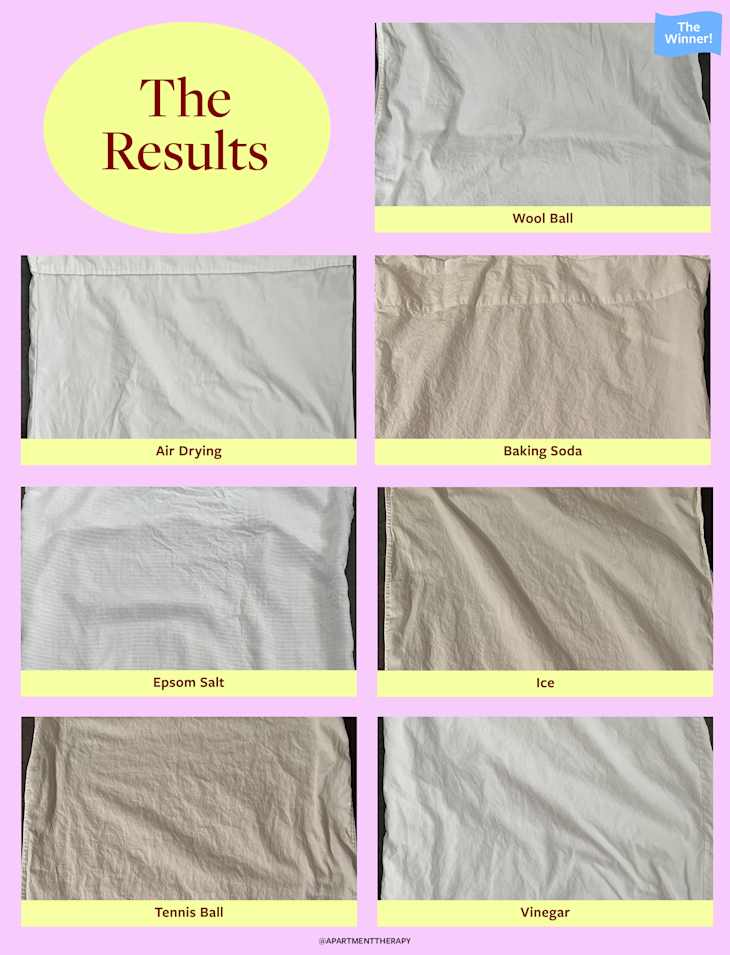
While baking soda and vinegar delivered solid results, wool dryer balls stood out as the easiest, most consistent fabric softener alternative I tested. They required zero extra steps, worked with any detergent, and left my laundry soft, low-static, and relatively wrinkle-free.
How I Tested the Methods
To keep things as consistent as possible, I tested each method using a different cotton pillowcase pulled from my linen closet. While the pillowcases varied slightly in age and size, all were 100% cotton and had previously been washed in my home using my usual dye-free, scent-free detergent pods.
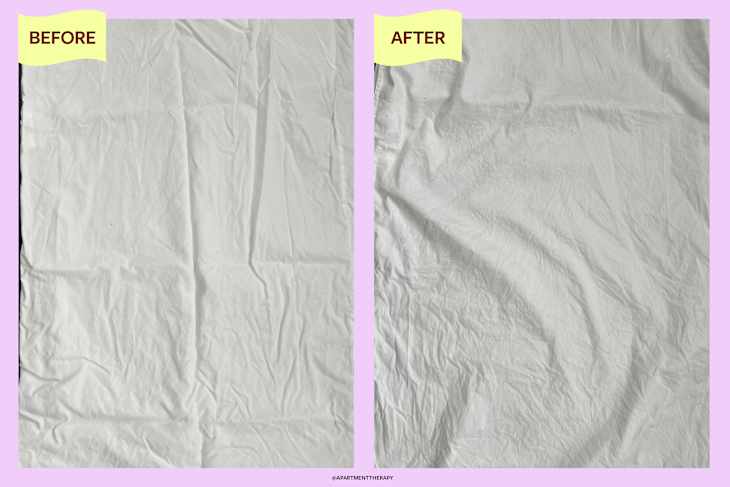
Before washing, I photographed each pillowcase straight off the shelf. Then I tested one fabric softener alternative per load and evaluated the results after drying — I noted wrinkles, static, softness, and overall feel. I also took “after” photos for comparison.
The ratings: Each method was scored on a five-point scale, factoring in effectiveness (softness, wrinkle reduction, and static control), convenience, and effort required.
Wool Dryer Balls
Rating: 4/5
Method: Toss two to three wool dryer balls into the dryer with wet laundry and dry as usual. The balls help separate fabrics as they tumble, reducing friction and improving airflow. I used three dryer balls for a medium load.
How it went: This method was almost foolproof. The balls were easy to use, made only a soft thumping sound in the dryer, and didn’t add any scent. When the cycle finished, the pillowcase felt soft and low-static, although a few wrinkles remained. I deducted one point because this is a single-purpose product you have to buy specifically for laundry. That said, wool dryer balls are reusable for years, so the one-time cost is easy to justify.

Baking Soda
Rating: 4/5
Method: Add 1/2 cup of baking soda to the wash right before the rinse cycle. Pros say it helps soften water by reducing mineral buildup, which can lead to softer, less static-prone fabrics.
How it went: This method delivered impressive results for something so inexpensive. The pillowcase felt soft and had noticeably less static. The downside? You can’t just set and forget your laundry. Because manufacturers recommend against putting powder into automatic dispensers, you have to add the baking soda manually at the right moment. Effective, yes — but slightly annoying.

Tennis Balls
Rating: 3/5
Method: Add one to two clean tennis balls to the dryer with wet laundry. Like wool dryer balls, they help separate fabric as it dries. I used two tennis balls for a medium load.
How it went: The tennis balls weren’t as loud as I expected, although I could still hear them clearly. The pillowcase came out with minimal wrinkles and static, but there was one major drawback: the smell. The rubbery tennis ball scent transferred to the fabric enough that I’d need to rewash it before sleeping on it. This method might work better for items like jackets, blankets, or socks, but I wouldn’t use it for anything that touches my face.

Air Drying
Rating: 3/5
Method: Pros recommend air drying outdoors for best results. Because it was winter in Wisconsin, I tried both outdoor and indoor air drying.
How it went: Outside, the pillowcase stayed damp for hours and eventually blew onto the deck during high winds, undoing all my progress. Indoors, the pillowcase dried fully and was static-free, but it felt stiff and wrinkled. Air drying is free and gentle on fabrics, but it requires space, time, and patience — especially in colder months.

White Vinegar
Rating: 3/5
Method: Add 1/4 cup of white vinegar to the fabric softener compartment before starting the wash. Vinegar helps remove detergent buildup, which can make fabrics feel softer.
How it went: This method was easy and used something I already had on hand. The pillowcase came out soft and smelled fresh, with no lingering vinegar scent. However, I didn’t notice much improvement in static. Because vinegar can wear down fibers over time — including cotton — this isn’t something I’d use regularly. It’s best reserved for occasional use, and it’s worth checking your washer’s warranty before trying it.

Ice Cubes
Rating: 2/5
Method: Add three ice cubes to the dryer along with damp laundry. The melting ice is supposed to create steam that reduces wrinkles.
How it went: I didn’t see much difference compared to my normal laundry routine. While the method is easy and free, it didn’t noticeably improve softness, static, or wrinkles. Ice cubes are a great trick for refreshing wrinkled clothes you’ve already worn, but for laundry day this method didn’t move the needle.

Epsom Salt
Rating: 1/5
Method: Add about one tablespoon of Epsom salt directly to the wash before starting the cycle. It’s sometimes suggested as a natural fabric softener for hard water.
How it went: This was the clear loser. The pillowcase came out stiff and slightly rough, as if it had been washed in extra-hard water. While wrinkles were minimal, static was still present — and the fabric didn’t feel soft at all. Based on both my results and broader laundry guidance, Epsom salt doesn’t reliably soften fabrics and may actually worsen texture depending on water conditions. I’ll stick to using it in the bath, not the wash.
Conclusion
Baking soda earned high marks for being inexpensive, effective, and likely already in your pantry, but it does require a little extra attention during the wash. Wool dryer balls were just as effective and far more convenient, which means they are the easiest swap for traditional fabric softener.