
Does Lysol Kill Norovirus? Here’s What Experts Have to Say
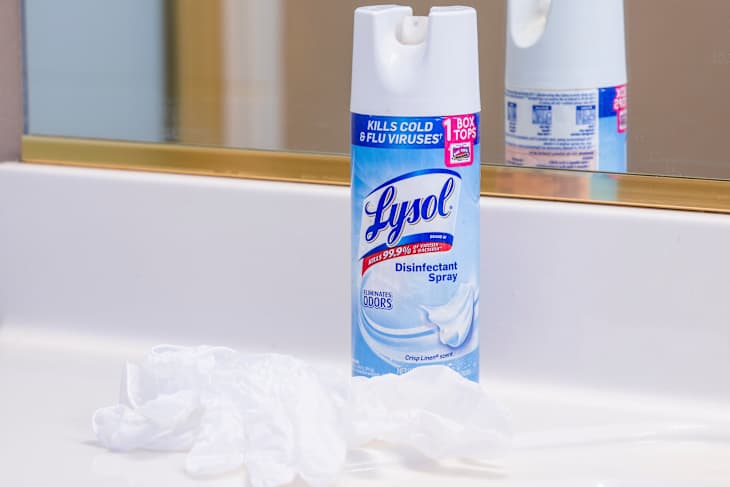
According to many doctors and health professionals, cases of norovirus are on the rise — especially as many return to work and school after a busy holiday season. Commonly known as the “stomach flu” or “stomach bug,” norovirus (feline calicivirus) is extremely contagious. Luckily, there are tools at your disposal to keep you and your family safe, like masks and disinfectants, and if you find yourself reaching for Lysol to kill germs, you might want to know if it actually works. So does Lysol kill norovirus? Here’s the scoop.
Does Lysol Kill Norovirus?
According to the U.S. Environmental Protection Agency, there are four Lysol brand products listed as registered antimicrobial products effective against Norovirus: Lysol Disinfectant Spray, Lysol All-Purpose Cleaner, Lysol Foaming Disinfectant Basin Tub & Tile Cleaner II, and Lysol Bleach Mold And Mildew Remover. Joshua Murphy, senior R&D associate at Reckitt, the company that produces Lysol, shares that the company did in-home non-porous surface transmission tests on Lysol Disinfectant Spray to show that the product doesn’t just kill norovirus, but it also reduces the spread of the flu, COVID-19, and the common cold.
Just be sure you are using the exact products listed on the EPA website, says Camila Herrera, cleaning and laundry expert at Sparkly Maid San Diego. “Some Lysol products kill norovirus, but not all of them do,” she says. “Be sure to check the product’s label to ensure it makes claims about killing norovirus or feline [calicivirus].”

How to Kill Norovirus with Lysol
If you’re using Lysol Disinfectant Spray, Murphy says to make sure to get all high-touch surfaces in your home, including toilet and door handles, faucets, and countertops. (Although, he says, it’s best to avoid the product if you’re cleaning brass, copper, or aluminum.) To clean the surfaces properly, Murphy says to follow these steps:
- Wear gloves before cleaning.
- Pre-clean each surface.
- Hold the Lysol can upright, six to eight inches from the surface, and spray it for three to four seconds, until the surface is wet.
- Let the surface remain wet for three minutes, then allow it to air dry.
Murphy also advises that you follow the directions on the can; mixing any other chemicals in or using improper techniques can cause damage to the surfaces you’re trying to clean.
Jonathon Lehman, founder of biohazard cleaning company Alpha BioClean, prefers using Lysol All-Purpose Cleaner because he can then use it for multiple cleanup spots; he says to make sure you are spraying more cleaner than you think is necessary and allowing it five minutes to sit. Don’t forget to follow all the directions on the bottle, too.

How to Avoid Getting Norovirus in the First Place
Of course, it’s practically impossible to ensure you’ll never get sick with norovirus. But you can try your best to avoid the virus with a few simple tactics. Because the virus spreads through contaminated surfaces, food and drink, and contact with someone already infected, make sure you’re being extra clean.
“If someone in your household is sick, limit direct contact where possible, wash hands frequently, and avoid sharing food, dishes, cups, or eating utensils,” Murphy says. Immediately after an infected person has an episode of vomiting or diarrhea, get to cleaning and disinfecting every surface they may have come in contact with. And remember to wear gloves!