
5 Big Mistakes You Might Make Using Goo Gone
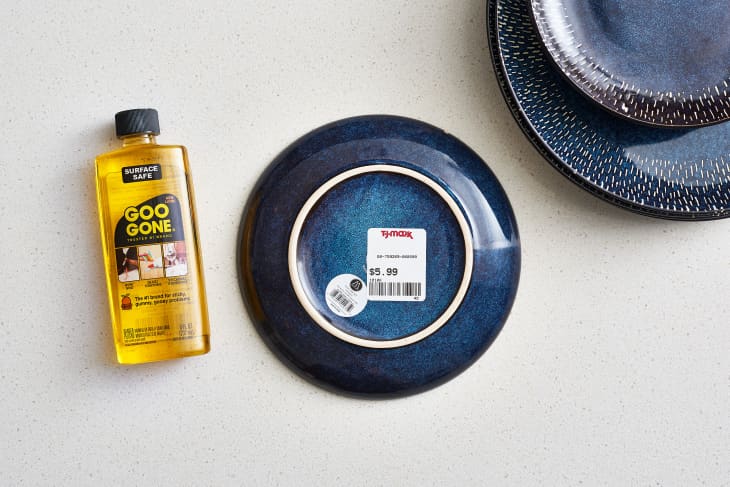
I may be a rare breed, but I get really excited to try cleaning tools or hacks that extend the promise of near-magical ease of use or effectiveness. I’ve even been known to run out to Target to pick out a cleaning product I’ve read about so I can try it out myself. And when I write articles about top-rated cleaning products on Amazon? Well, let’s just say I now own and regularly use an O-Cedar mop, Bar Keepers Friend, and a Scrub Daddy.
Goo Gone is one of those cleaning products that people swear by. Like My Big Fat Greek Wedding Windex-level cult-favorite. And while Goo Gone can definitely be used to solve some sticky situations, take heed of the following don’ts — because nothing’s worse than trying to clean up one mess, only to be left with a bigger, more irreparable one.
Don’t Use Goo Gone on Certain Materials
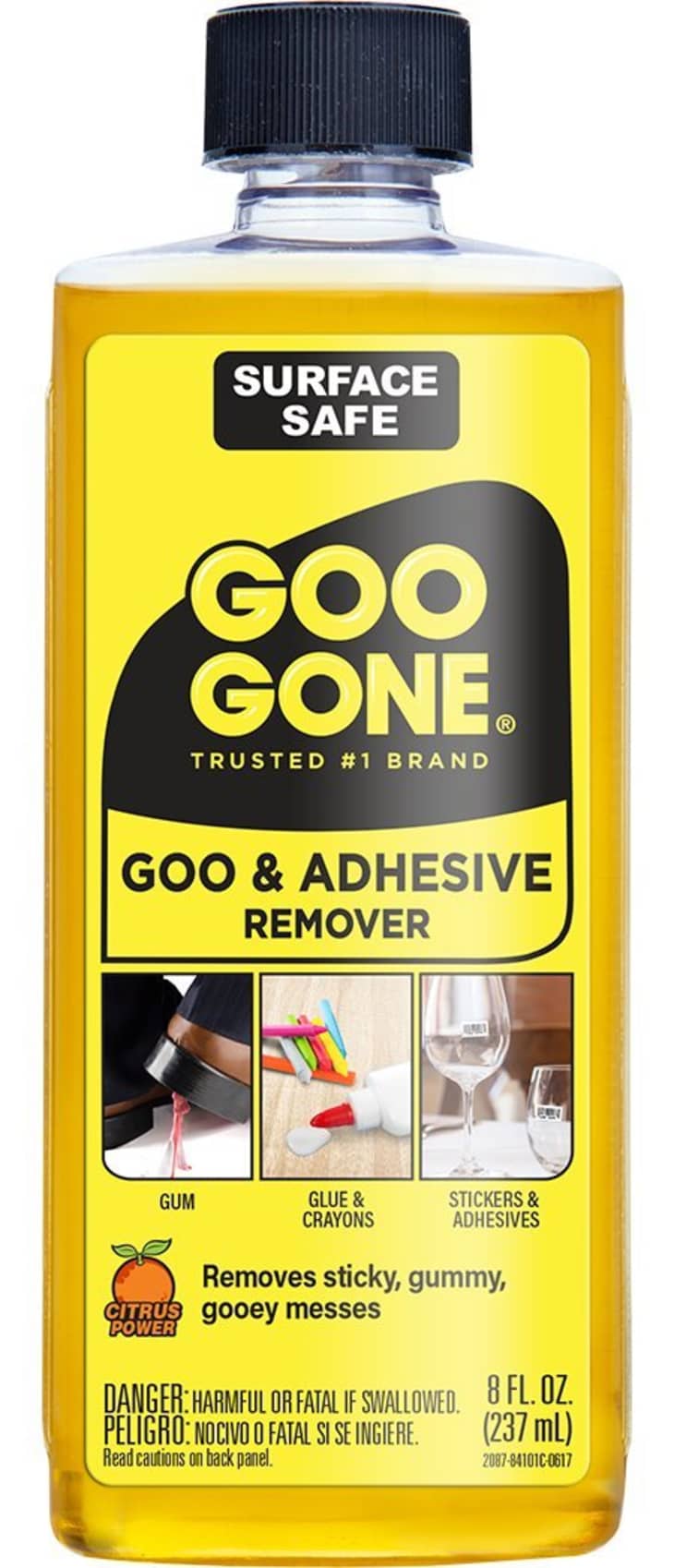
Goo Gone is great for removing crayon marks, glue, and adhesive — all of which can end up on any kind of surface. While Goo Gone is safe for use on most surfaces, including wood, carpet, glass, fabric, and sealed stone, the manufacturer itself says it should not be used on the following surfaces:
- Silk
- Leather
- Suede
- Rubber
- Unfinished wood
- Unsealed stone
- Unpainted walls (drywall)
- Faux stainless steel
Don’t Use Goo Gone Without Spot Testing
Whether you need to get slime out of a carpet or a stubborn label off a new wooden side table, test Goo Gone in an inconspicuous spot before you tackle the problem area. It’s hard to be patient, but it’s far better than a permanently damaged eyesore in your living room.
Don’t Use Goo Gone Without Ventilating
While the makers of Goo Gone tout its safety, it can pose an inhalation hazard. Make sure to obtain adequate ventilation by opening windows or doors and turning on air vents before using.
Don’t Use Goo Gone Without Removing Clothing Before Treating Fabric
If you get gum on your blouse, don’t douse it with Goo Gone while you’re wearing it. Take it off first, treat it, and then launder it separately with extra detergent.
Don’t Use Goo Gone Without Being Aware of Hazards
Goo Gone can cause permanent lung damage if swallowed, can irritate skin and eyes, and can exacerbate asthma. In addition to the typical precautions, such as keeping it out of reach of children or pets, familiarize yourself with the cautions listed on Goo Gone’s Material Safety Data Sheet.
Wearing safety goggles and gloves, in addition to having adequate ventilation, is a good idea. Because Goo Gone is harmful to waterways, if a spill occurs, sop it up with paper towels and discard it in the trash rather than soaking it up with a sponge and rinsing it down the sink.