
The 20 Hottest Real Estate Markets Right Now Might Surprise You
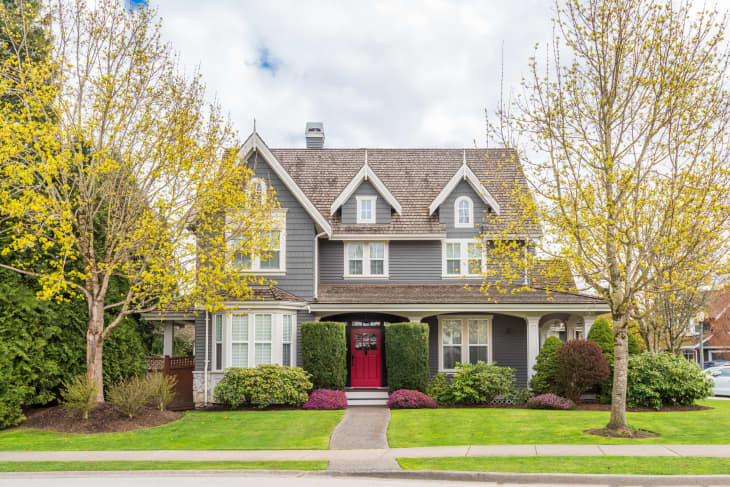
If you’ve been trying to buy or sell a home this year, you’ve probably noticed that the housing market has been … interesting, to say the least. Mortgage rates and home prices have remained high, but more and more houses are hitting the market. Meanwhile, home sales are falling overall, thanks to a potent mix of ongoing economic uncertainty, high mortgage rates, and an influx of inventory. But some markets are defying that trend with piping-hot demand from homebuyers. And they pretty much all have one thing in common.
In the second half of 2025, mid-size markets (populations between 100,000 to 500,000 people) are dominating the real estate game, according to a Realtor.com study published in late July 2025 conducted in collaboration with The Wall Street Journal. The publication and real estate platform noted that relatively affordable mid-tier markets — characterized by a lower cost of living with proximity to big economic powerhouse cities — are surging in popularity, even though some buyers are still cautious.
Mid-sized cities offer the best of both worlds when it comes to smaller towns’ community and affordability while having the amenities, culture, and economic opportunities of an urban hub. As such, they dominate this list of the hottest housing markets in the U.S. right now, with only a few exceptions. The study also found that markets in the Midwest and Northeast, more climate-resilient regions compared to their counterparts in the U.S., were drawing prospective buyers at high rates.
To rank the hottest real estate markets, Realtor.com and The Wall Street Journal took data from the 200 largest metropolitan areas in the United States based on census information. They used the following categories: The real estate market (60%), as well as a 40% split of economic health and quality of life to determine a city’s “hot” ranking. Factors like real estate demand, supply, listing price, property taxes, and climate risk factored into their ranking, while economic health and quality of life were measured by factors like unemployment, wages, small businesses, amenities, and commute time.
The 20 Hottest Housing Markets in the U.S. Right Now
- Manchester-Nashua, New Hampshire
- Canton-Massillon, Ohio
- Springfield, Massachusetts
- Toledo, Ohio
- New Haven-Milford, Connecticut
- Lansing-East Lansing, Michigan
- Worcester, Massachusetts
- Appleton, Wisconsin
- Rockford, Illinois
- Hartford-West Hartford-East Hartford, Connecticut
- Akron, Ohio
- Waterbury-Shelton, Connecticut
- Green Bay, Wisconsin
- Lancaster, Pennsylvania
- Hagerstown-Martinsburg, Maryland-West Virginia
- Evansville, Indiana-Kentucky
- Harrisburg-Carlisle, Pennsylvania
- Milwaukee-Waukesha-West Allis, Wisconsin
- Fort Wayne, Indiana
- Ann Arbor, Michigan
Why Are These Housing Markets So Hot?
Realtor.com found that the Midwest and Northeast regions are especially appealing, but for different reasons. Experts have long suggested the Midwest would be a climate haven due to its proximity to the Great Lakes. Meanwhile, other markets (like the Southeast) have been battered by hurricanes and other costly natural disasters that have led to home insurers all but pulling out of the region. While no region is truly immune from future climate disasters, this may play into some market decisions right now.
Midwest homebuyers were also, according to the report, attracted to the area’s relatively low cost of living, low housing costs, and proximity to bigger cities (for example, Rockford, Illinois, is about an hour drive from Chicago, and the average home is only $248,888).
Meanwhile, potential Northeast homebuyers are willing to pay a little more for these areas, as they tend to be more affordable than nearby urban hubs in the same area. For example, the study’s top pick, the Manchester-Nashua area in New Hampshire, costs $600,000 for an average home — over $250,000 less than a typical Boston property, and about an hour drive from Boston proper.
To see more of the study’s findings, check it out here.