
People Keep Getting Baffled By This Item on Their Front Door — But It Has a Long History
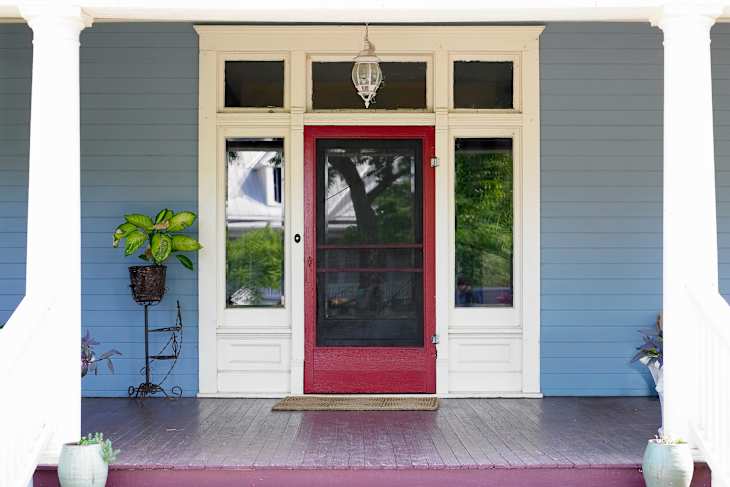
When a Jewish person moves into a new home, one of the first things they might do is put up a mezuzah on the upper right side of the front door frame. It’s always been a part of my life, which is why I was surprised recently when I saw questions from people who do not know what that little box containing a prayer scroll is — or why it’s there.
Recently there have been a number of posts on Reddit and TikTok of homeowners and renters coming across a mezuzah affixed to their door, and being confused about what it is. A typical post in the r/whatisit Subreddit goes like this: “This was screwed in next to some doors in our Airbnb?” and the comments start coming in.
Other posts were from folks moving into new apartments or just asking Reddit if anyone could identify a mezuzah on their doorframe.
I put up the mezuzah at my house — it was actually one of the first things I did after the movers left. It’s been in the same spot since I moved to this address many years ago. But a lot of people don’t know what a mezuzah is, especially if they’re not Jewish or have never lived with Jewish roommates or housemates.
So what is a mezuzah? And if you move into a home with one on your doorframe, do you need to remove it if you’re not Jewish? Here’s everything you need to know.

What Is a Mezuzah?
A mezuzah is an item that lends a spiritual aspect to a Jewish home and protects people coming in and going out. It consists of an outer casing, which is often decorative, and made of clay or metal. Inside, it holds a piece of parchment with a prayer from Deuteronomy called the “Shema.” In old-fashioned terms, this prayer is the “watchword of the Jewish faith.” Young children learn the words which are repeated daily throughout our lives until our last breath: Hear, Oh Israel, the Lord is our God, the Lord is One.
The word mezuzah actually means “doorpost” in Hebrew, so it is in the right spot (literally) if you ever come across one as you’re walking into a home. It’s most often seen on the right side of the front door, although it’s also common to have one leading into a bedroom, as well. Some people put a mezuzah on every room’s doorpost, except for the restroom.
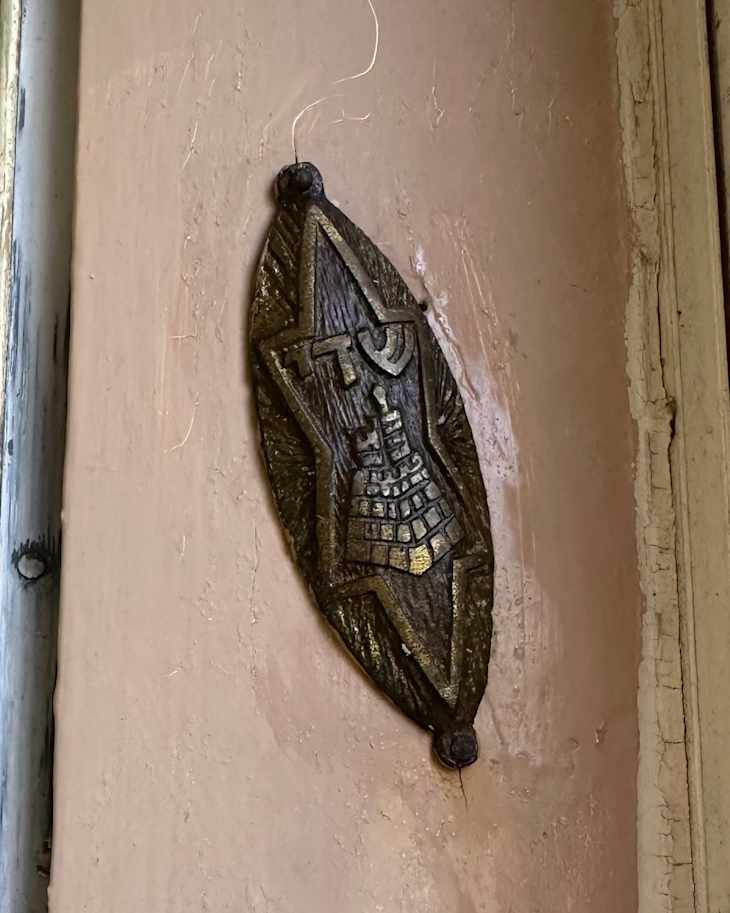
The act of putting up a mezuzah carries out the commandment found in Deuteronomy: And you shall write them on the doorposts of your house and upon your gates.
There are so many options for the outer casing of the mezuzah, and they all have an artistic flair. Whether you like a simple design or an ornate art piece, prefer stone, plastic, wood, or metal to hang by your door, all are acceptable. This outer part is only the shell to encase the “heart” of the mezuzah: the prayer within.
It is this prayer inside the artwork that brings holiness to the mezuzah on the doorpost. Some religious figures even say that it has spiritual powers.
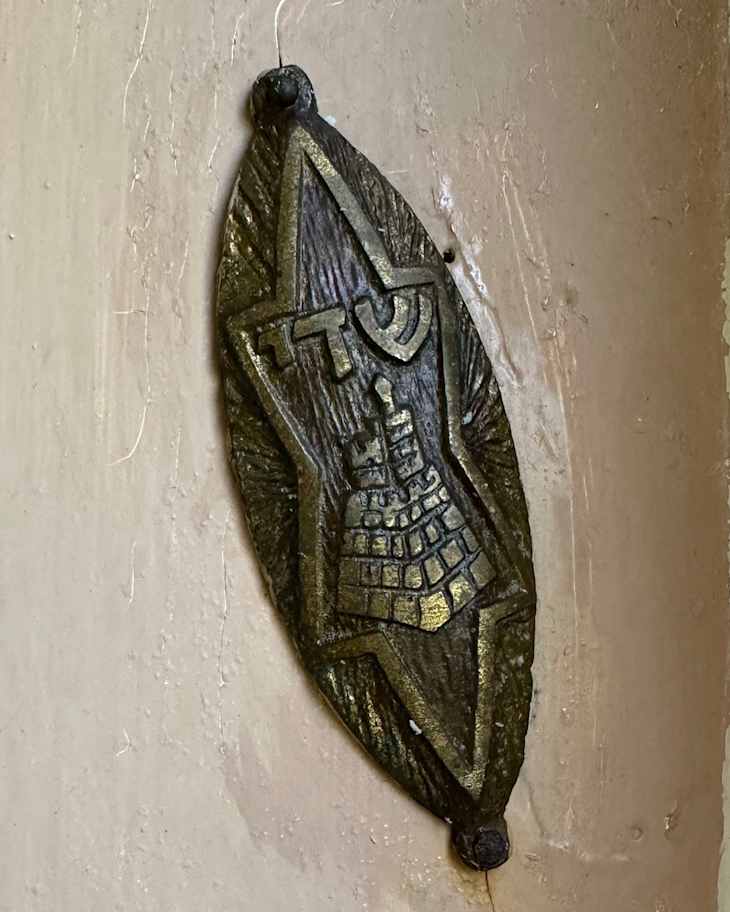
My mezuzah is made of metal and decorated with three Hebrew letters near the top — “shin,” “daled,” and “yud” — that spell Shaddai, a name for God. My mezuzah serves as a sign to welcome me into the safety of my home, while passing by it on my way out gives me a sense of luck and blessing.
And to answer all the Reddit questions, a mezuzah on the door is a good thing; no need to worry!
How Do You Install a Mezuzah?
In recent years, attaching the mezuzah at a new house has become a true celebration within the Jewish community. Friends and family arrive to spread joy, and the new place fills with rising conversation and lots of hugs. Many people even bring a loaf of bread and some salt for added good luck.
This celebration also includes two prayers. First is the blessing for hanging the mezuzah: Blessed are You, God, Ruler of the universe, who has sanctified us by your commandments and commanded us to affix a mezuzah on our doorpost.
This is followed by the Shehecheyanu prayer, which we recite when there is something new in our lives to recognize: Blessed are You, God, Ruler of the universe, who has given us life, health, and strength and enabled us to reach this moment.
After reciting these two prayers, the mezuzah is hung with care and joy. The new space is steeped in love and community, with a nod to the centuries-old continuance of acknowledging God in our midst.
If You’re Not Jewish, Do You Need to Remove the Mezuzah When You Move into Your Home?
If you move into a home with a mezuzah on it, you don’t need to do anything at all. You can simply leave it there if you prefer, even if you’re not Jewish.
The Reddit comments I perused agreed — one user affirmed “there’s nothing wrong with keeping it up if you like it,” and noted that “if you want to take it down, I’d recommend bringing it to a nearby synagogue if possible.” Another noted that while they didn’t see “any problem with you just leaving it up for the next person,” if you want to take it down, “the scroll inside is the important part. The case is just decoration.”
With that in mind, there is a way to remove the mezuzah safely to honor Jewish tradition.
How to Remove a Mezuzah from a Door
The good thing is, there do not have to be absolutes. Within Judaism, religious objects are regarded with reverence, even after they have become tattered or have lost their usefulness. Removing the mezuzah is simple — simply detach it from the door frame.
If you do remove a mezuzah, it should be brought to a synagogue or rabbi to be handled in a religious manner. Items with the name of God in them, such as prayer books and mezuzahs, are buried in a ceremony to honor God’s name.