
“Minnesota Nice” Helped My Community Survive a Crisis — Now It’s Helping Us Rebuild
I grew up in the suburbs of Minneapolis, and my postwar neighborhood of single-family homes was always a place where neighbors wave when they bike past or stop to chat about what you’re growing in your garden, and people help out when your car is stuck in a snow bank or your home needs cleaning up after a storm. It took moving away for me to recognize how special this sense of community is, and it’s what called my husband and I back to Minneapolis in 2021.
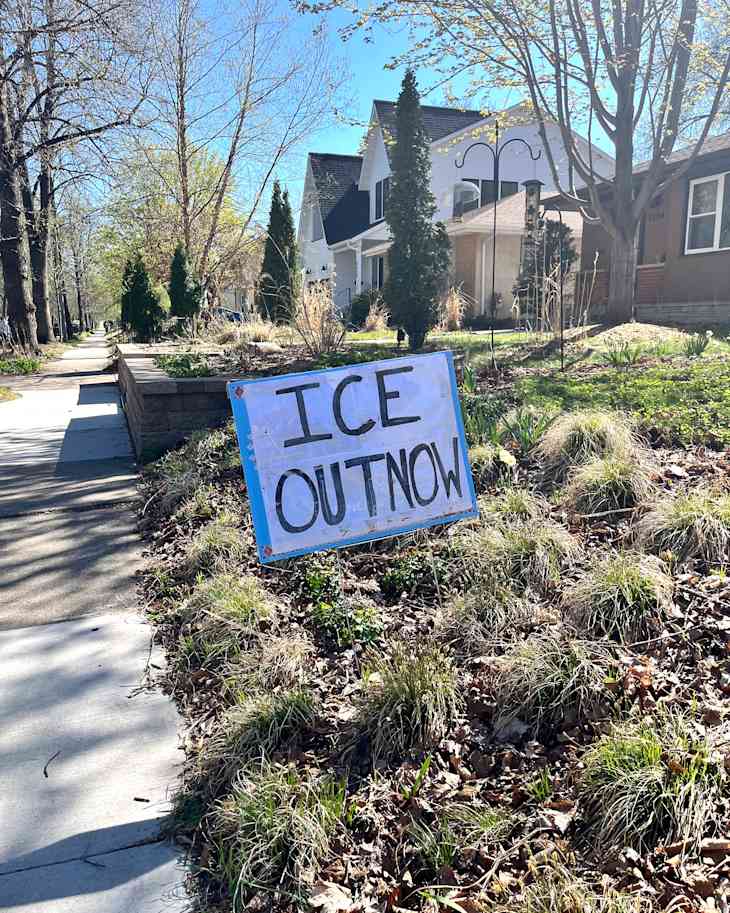
Within days of moving into our Minneapolis house, we chatted with more neighbors than we had our entire time living in Seattle. We were out investigating a patch of dead grass, when a new neighbor revealed that the previous owner battled grubs earlier in the season and told us what we needed to do. I didn’t know it then, but it was that sense of community that prepared the city for what we would have to endure during Operation Metro Surge, the unprecedented deployment of federal immigration and customs enforcement (ICE) agents in Minnesota.
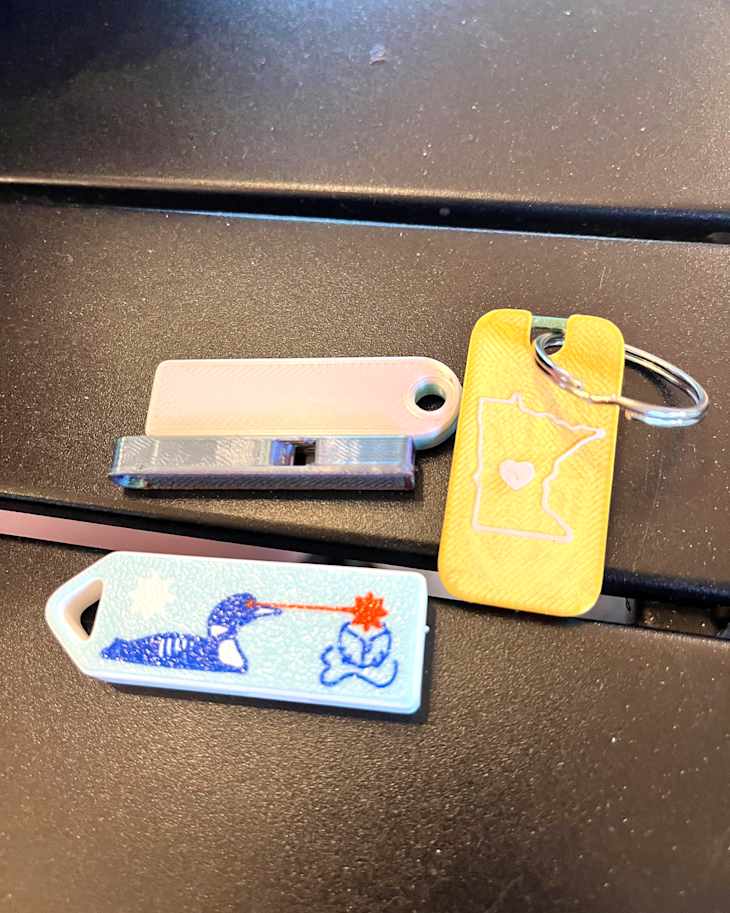
In the winter of 2026, my community in Minnesota took to the streets, marched in protest, and blew whistles to warn neighbors about the presence of agents. Mutual aid networks quickly came together to provide food and household items to people who couldn’t go out to get things themselves. This year, ICE arrested more than 3,700 of our neighbors. Two United States citizens — Renee Good and Alex Pretti — were killed.
During those long, cold weeks, my neighborhood would signal alerts of any unfamiliar people in the area. We’d text if there were door-to-door salespeople or unfamiliar vehicles passing through. We became a close-knit community and really drove home what it means to be “Minnesota Nice.”
“Minnesota Nice” Is a Way of Life
From the outside, “Minnesota Nice” can sound like fake friendliness, but that’s not it at all. It’s a way of connecting and letting your neighbors know you’re there and sharing information about how you can mutually help one another. A “Can you believe all this snow?” comment might lead to a “Yeah, it’s going to be tough to shovel next week after I have surgery” response. Boom! I’m offering to snowblow their stretch of sidewalk. A neighbor who once stopped to meet my dog now frequently reminds me that I can text him if I ever need someone to take the dog out while I’m at work.
This sense of community has been instilled in me since childhood. My parents and adult neighbors watched out for each other’s kids. When I was walking several blocks from home, a neighbor stopped and offered me a ride. I remember my grandma taking us to people’s homes to help shuck their corn during harvest season.
That connection makes it the kind of place where you notice if something is off — like a family you haven’t seen lately who may be taking refuge in their home.
Minnesotans Have Always Relied on Community
You don’t grow up in Minnesota without understanding that survival is collective. Minnesota winters are too unpredictable to go it alone. Even before NextDoor and Signal groups, I witnessed neighbors coming together to help fill sandbags to hold back a raging river or share their cucumber bounty in late summer.
When Operation Metro Surge came to Minneapolis, we didn’t have to build mutual aid networks from nothing — the basic infrastructure was already there. Neighborhood group chats got louder. Books in Little Free Libraries were replaced with whistles and canned goods. Parking lots and family homes turned into food distribution centers.
Minnesotans didn’t let 20-degree weather stop them either. Instead of bundling up and rushing inside, they hit the streets — organizing, gathering, and showing up for others again and again. Hospitals reported an increase in hypothermia, a sign of just how much time people were spending in the cold, refusing to allow federal agents to run our city. It was an extreme year for helping our neighbors, but it’s what we’ve been training for our whole lives.
We gathered in ways we never had to before. The care was loud and made national headlines. In January, my community and I layered on every piece of winter gear we had to take to the streets for a march downtown and bundled up for candlelight vigils after two neighbors were killed. In February, we crammed into high school classrooms for community caucus events. Every week, we met up in neighbors’ garages to pack food and household items for families that we might never meet but felt responsible for just the same.
Ice Melts — But Community Healing Begins
Just as the flowers are starting their next season, we’re starting ours. ICE hasn’t left our state, but the “surge” that flooded our streets has lessened. At the height, there were about 3,000 agents patrolling Minneapolis — estimates vary, but reporting from late February suggested that number was down to about 500. I still hear reports of agents taking neighbors when I’m out delivering groceries, but the group chats are noticeably quieter.
Meanwhile, my neighbors and I are focusing on healing and rebuilding what was lost. The city of Minneapolis reported a $203 million impact to the economy. Restaurants and small businesses in our neighborhoods have closed. As experts begin to assess the mental health impact of the collective trauma this community experienced, my neighborhood is attempting to move forward. On walks with my dog, I make a point to comment on the colorful tulips a neighbor planted finally blooming, or stop to chat with folks while on evening walks.
Still, my sense of what community “is” has changed permanently. Beyond the friendly banter and offering to help others, I’m also donating money and delivering groceries to community members. As spring patios open at neighborhood restaurants, I’m making sure to frequent those that were hit hardest and tip generously. Calls for help still come up on the chats, and I give when I can and feel pride in my community when people don’t question or ask for proof of need. Community members just fill it.
I’m also taking with me a need to experience joy together. It took all of us doing more than we’ve ever been asked to do before. We put our own safety at risk in hopes that across the United States it will be safe for everyone to send their children to school, commute to work, or play outside this summer.
We were never in it for the headlines or the Nobel Peace Prize nomination. Minnesotans helped their neighbors because that’s the only option we know. It’s what our parents and grandparents taught us. I take pride in that — in finally understanding what “Minnesota nice” actually means — and am so glad I decided to move back home.