
7 Rubbing Alcohol Mistakes That Could Actually Be Dangerous
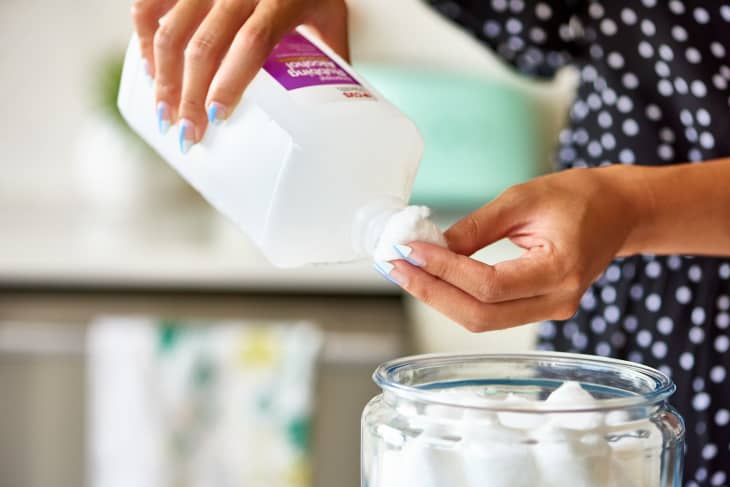
When it comes to cleaning efficiently (and on the cheap!), there’s nothing like putting multitaskers to work. Common first-aid supplies like rubbing alcohol can pack an extra punch, but that doesn’t mean they don’t come with risks.
Since it’s a germicide — and effective in killing the influenza virus — rubbing alcohol is a smart disinfectant to keep around during the germ-ridden winter months. But due to its unique chemical properties, using alcohol around the house requires extra care. Before you break out rubbing alcohol to clean, read on for seven things you should never do with it.
Don’t Mix Rubbing Alcohol with Bleach
There are some chemical combinations you should avoid at all costs, and bleach and alcohol is one of them. Rubbing alcohol contains ethanol and isopropyl, which when mixed with bleach creates chloroform, a toxic compound that emits toxic and corrosive fumes. According to the CDC, inhaling chloroform can cause serious issues with the central nervous system, liver, and kidneys, in addition to irritating the skin, lungs, and eyes and causing nausea and dizziness.
Don’t Use Rubbing Alcohol Near Flames or Smoking
Mixing alcohol and fire? Not a gamble you want to take. Due to the obvious alcohol content, rubbing alcohol is highly flammable, which means it’s important to avoid using it around smoking or any open flames in your home. So before you disinfect with any alcohol products, make sure to snuff out all your candles.
Don’t Use Rubbing Alcohol in an Unventilated Area
Similarly, since isopropyl alcohol is a volatile chemical (that’s a fancy way of saying it evaporates quickly), it also creates potentially harmful fumes. When you’re cleaning your home with alcohol, make sure to open your windows, keeping the area as well-ventilated as possible.
Don’t Clean Certain Surfaces with Rubbing Alcohol
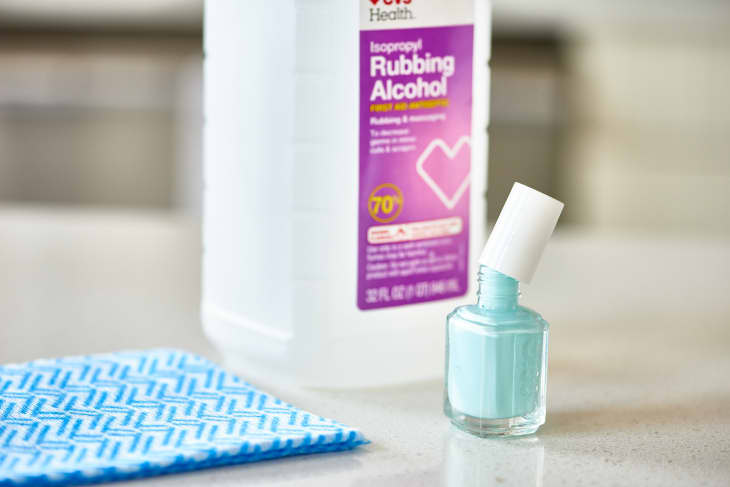
While it’s a superpower disinfectant on counters, toilets, or even your laptop or cell phone — strong enough to destroy E. coli bacteria and the flu virus — there are some surfaces you will definitely want to avoid sterilizing with rubbing alcohol.
- Finished surfaces: Since the ethanol in it is a solvent, rubbing alcohol can liquify varnishes or finishes, doing major damage to your furniture or other surfaces in your home. Avoid rubbing alcohol on painted, shellacked, lacquered, or varnished surfaces, including treated wood.
- Certain fabrics: The isopropyl in alcohol can be a great stain treatment on certain fabrics, removing all evidence of difficult stains like ink, grass, grease, or sap. While your carpet will thank you for an isopropyl alcohol treatment, keep in mind some fabrics don’t do well with alcohol. Delicate or synthetic materials like acetate, rayon, wool, and silk are best avoided.
When you’re using alcohol to disinfect, it’s important not to dilute it beyond what’s recommended by the CDC for killing germs. Alcohol’s effectiveness at killing germs “drops sharply when diluted below 50% concentration,” and the optimal concentration for killing bacteria is between 60% and 90%, according to the CDC.
Keep in mind that when you buy rubbing alcohol at the store, it’s already diluted with water in a concentration indicated on the label (commonly 70% or 90% to 91%).
Don’t Use It Too Often on Electronics
Yes, you can use alcohol to clean electronics but only occasionally for a deep clean and not as an everyday habit. Too much rubbing alcohol can erode the protective layers on your phone, gaming controls, and computer equipment, causing more harm than good. A microfiber cloth is always best for more regular maintenance. When you do use it, it’s important to moisten a cloth with it before wiping; never spray or pour it on any device directly, or else you risk the alcohol seeping into the internal components.
Don’t Use Rubbing Alcohol on Certain Wounds or Skin Conditions
It’s common for doctors to sterilize medical equipment with isopropyl alcohol, given its antiseptic properties, and you may even use it to sanitize your tweezers before removing a splinter or to clean a small cut on your skin.
But using large amounts of isopropyl alcohol, or covering a large area of your skin, can cause serious damage. Avoid using rubbing alcohol to clean wounds or other more serious injuries, since it can delay healing and lead to even more skin irritation. Also, skip using it on sensitive areas, like sunburned, dry, or otherwise irritated skin. And if you’re thinking about using rubbing alcohol to DIY hand sanitizer, you should think again.
Don’t Ingest It
Some first-aid kit staples, like hydrogen peroxide, are safe to use in small amounts internally. Not the case with rubbing alcohol. According to the National Capital Poison Center, rubbing alcohol, even in small amounts, is toxic when ingested. Like any other cleaning supplies, keep your alcohol out of reach of children, and never put rubbing alcohol in a glass or another container since it can easily be mistaken for water.