
What Is Traditional Interior Design? (And Why We Crave It)
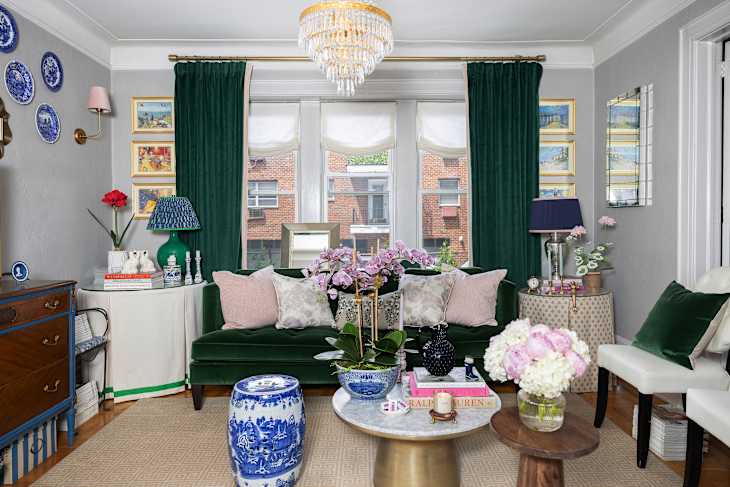
Ask someone about traditional interior design, and the first images their mind conjures up might be a room that feels stuffy, heavy, and old. However, traditional interior design is so much more than old design: This is a diverse and rich interior style that has stood the test of time.
Traditional style is also not just a single aesthetic, but rather a range of interior looks that take their cues from classic design principles. Vibrant Southern homes that incorporate storied antiques and warm, effortless Nancy Meyers-inspired spaces that lean on cozy neutrals and overstuffed upholstery are both “traditional.”
There are some elements that are common to all traditional interiors (which are spelled out below), but there’s one easy way to tell if an interior is traditional. If you look at a photo of a traditional room, you probably won’t be able to pinpoint exactly when it was taken.
What is traditional interior design?
Traditional interior design is a classic interior design style that incorporates pieces with historical reference. Hallmarks of traditional style include centuries-old antiques and heirlooms, elegant upholstery, and nostalgic patterns and motifs.
What is traditional interior design?
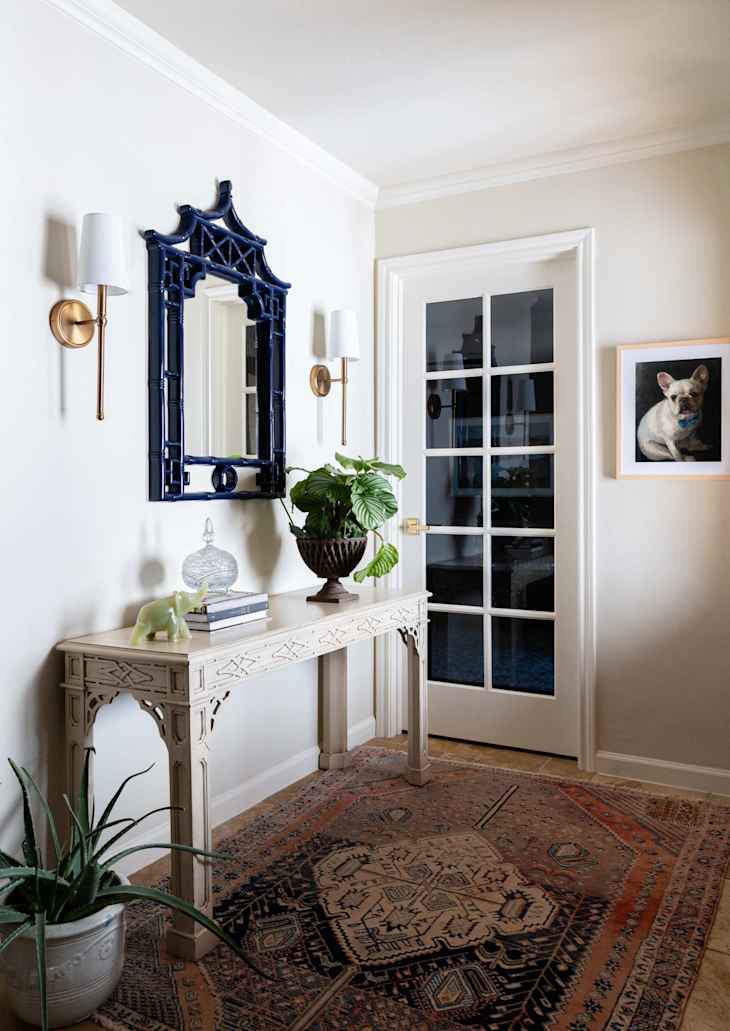
Traditional interior design is a classic approach to design that uses elements seen throughout history. Traditionally designed spaces often feel elegant, comfortable, and nostalgic. They often incorporate antiques, architectural details like molding and millwork, natural materials, and upholstery details like skirts. You’ll often find that traditional rooms have symmetry at their core.
Elizabeth Ryan, principal designer at Elizabeth Ryan Interiors, explains, “Traditional spaces are often orderly, the layouts very purposeful and exact. Designers think of symmetry and scale when designing these spaces.” Despite the formality, these spaces feel welcoming, warm, and familiar. Picture a grandparents’ home that had both a comfortable, overstuffed sofa and an 18th century sideboard.
What is the history of traditional interior design?
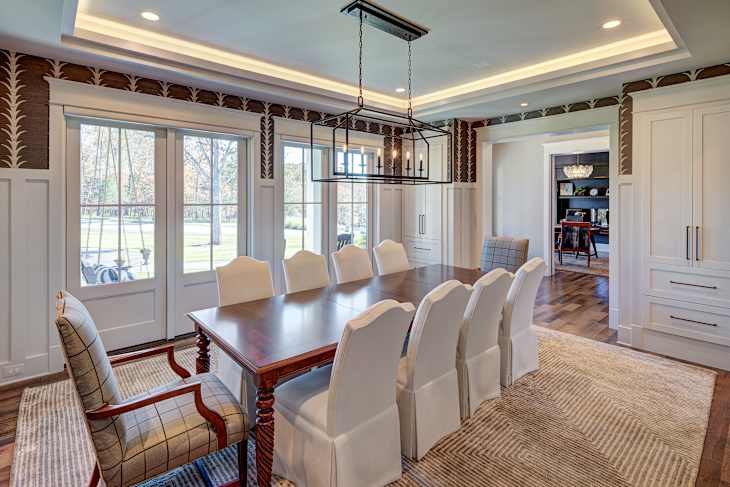
There is no defined timeline of “traditional” interior design (you could argue it goes all the way back to antiquity!), but the style takes its cues from interior styles before the advent of modernism in the 20th century.
“Traditional design is all about timeless appeal, so I focus on materials that have endured across generations, like marble and richly grained woods,” says Cathleen Gruver, lead interior designer at Gruver Cooley. “These elements instantly ground a space and bring a sense of permanence and elegance that never feels trendy or fleeting.”

What is traditional interior design so popular now?
While traditional interior design often exists in the background (always there but never making a splash), the rise of grandmillennial decor and a renewed interest in vintage, thrifting, and antiques have brought traditional interiors into the limelight. Plus, traditional style’s current popularity may be driven by nostalgia for earlier, simpler times.
What are the defining elements of traditional interior design
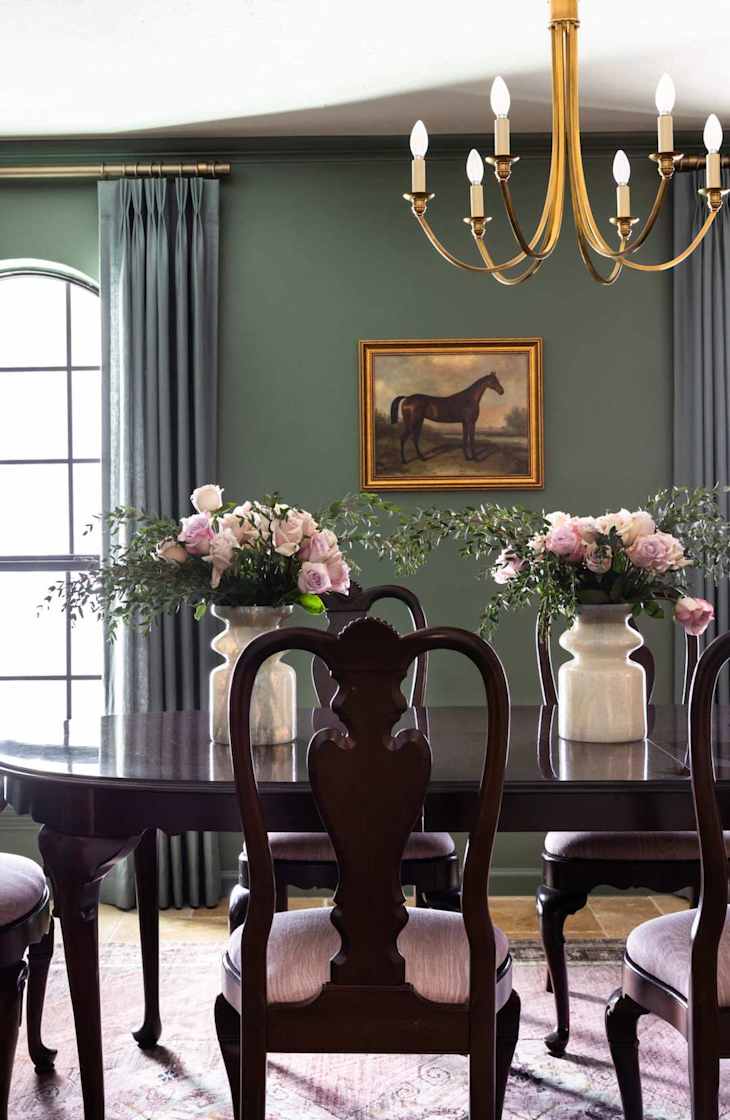
While traditional interior design can take many forms, at the core of any traditional space are furniture silhouettes and decorative motifs that can trace their roots back generations. Here are some of the hallmarks of traditional interior design:
- Symmetrical layouts
- Antique wood furniture
- Natural elements like marble, wicker, and wood
- Comfortable upholstery
- Vintage wool rugs
- Skirted furniture
- Layered collections
- Historic millwork
- Traditional furniture silhouettes
- Drapery
- Classic fabric patterns
Traditional spaces often have timeless elements within the details of the room itself. “A strong architectural foundation is essential. Traditional spaces benefit from thoughtful millwork — crown moulding, paneling, custom cabinetry, and built-ins — which add depth and craftsmanship,” says Meredith Still, founder and principal designer at The Meredith Project.
These elements are complemented by color palettes that include rich neutrals alongside colors like blue, green, and burgundy. When it comes to patterns, you might find classic florals, stripes, or even plaid in traditional rooms.
What furnishings belong in a traditional interior?
Traditional rooms often have a foundation of traditional style pieces to establish the aesthetic. “Look for a few anchor pieces with timeless lines: a rolled-arm sofa, a four-poster bed, or a wingback chair. Skirted furniture can also add a soft, classic touch,” Still says. “Two-tier coffee tables are a great choice; they offer the opportunity to style both levels with books, accessories, and collected objects, which helps create the layered, lived-in feel that traditional spaces thrive on.”
Furnishings with antique details also add to a traditional look. Ryan suggests looking for pieces with intricate legs, like a bun foot, ball and claw, or cabriole leg. “Vintage furniture pieces are a beautiful way to incorporate traditional design elements,” Ryan says.
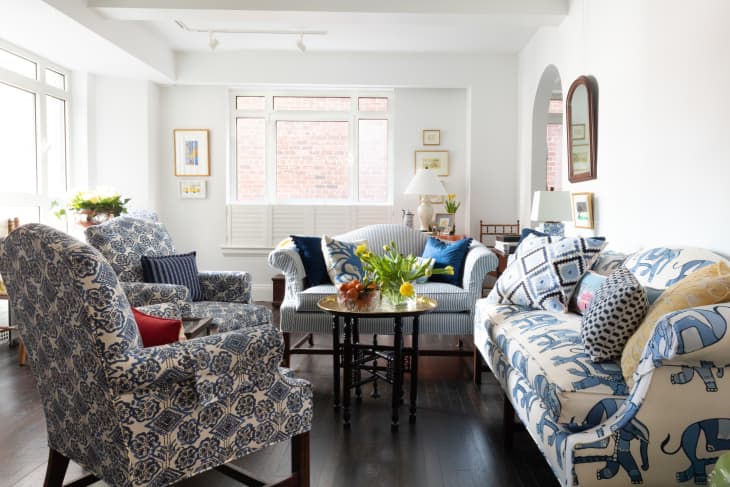
How to get the traditional interior design look at home
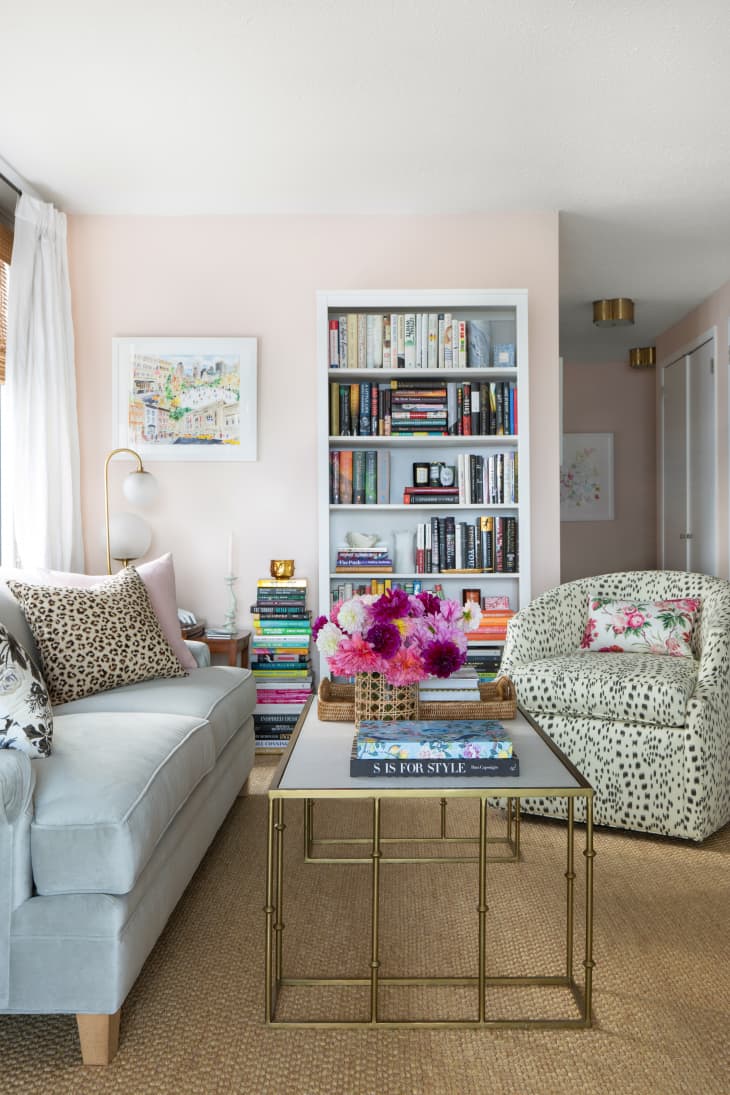
To create a traditional interior you’ll want to use some of the elements listed above, but you don’t want to veer too far into traditional territory or your home might start to feel like a museum. The key is to incorporate some more modern touches. “Blending vintage or antique pieces with more streamlined, contemporary elements keeps the look balanced,” Still says.
Here are a few ways to strike the right balance, as seen in Apartment Therapy’s house tour archive.
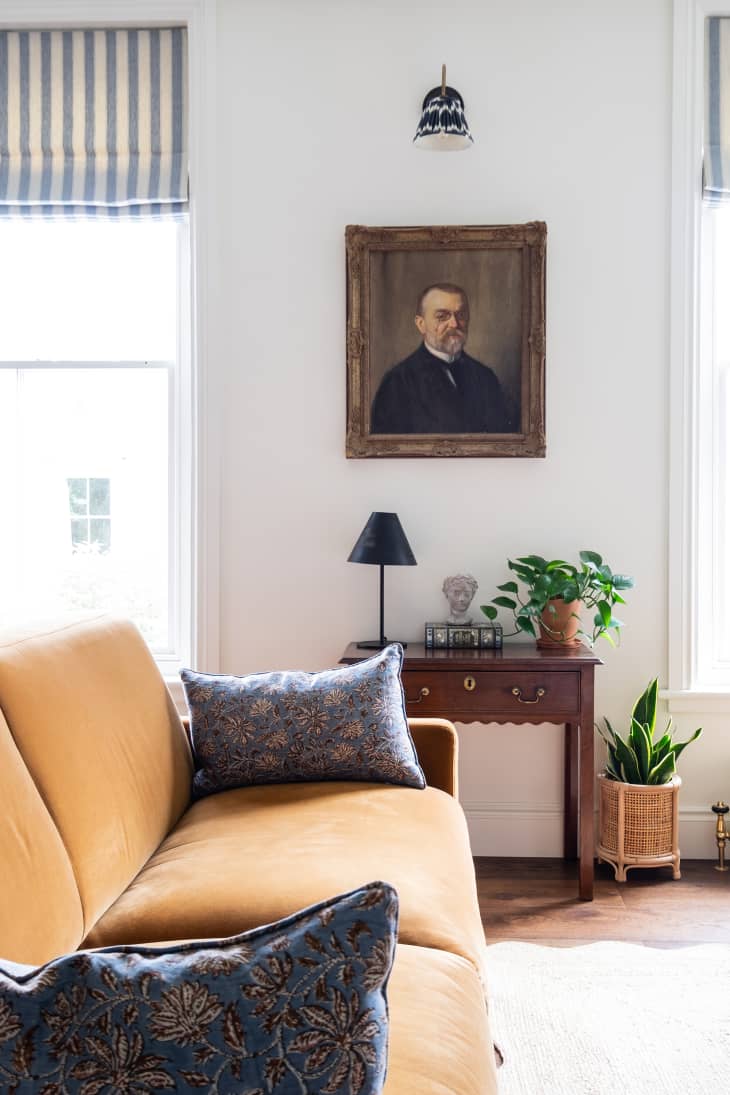
Always source some vintage pieces
In a traditional room, a well-worn patina adds to the design rather than taking away from it. “I love to incorporate vintage or inherited pieces,” Gruver explains. “A beautifully worn console table, a classic upholstered armchair, or even a family heirloom reupholstered in a fresh fabric can instantly make a space feel layered and lived-in.”
In traditional interiors, you’ll often also see groupings of collections or pieces with family history, but again, it’s about balance.“Traditional design should feel curated, not crowded. Layering is important, but so is restraint,” Still says.

Use an elegant, comfortable color palette
While some traditional spaces have a vibrant palette to contrast the classic silhouettes, most lean into more restrained and elegant colors, which is what Gruver prefers, as well. “I gravitate toward timeless hues like soft blues, muted greens, and warm creams,” she says. “For patterns, subtle florals, tailored stripes, or tone-on-tone textures help create a sense of quiet sophistication without overwhelming the space.”
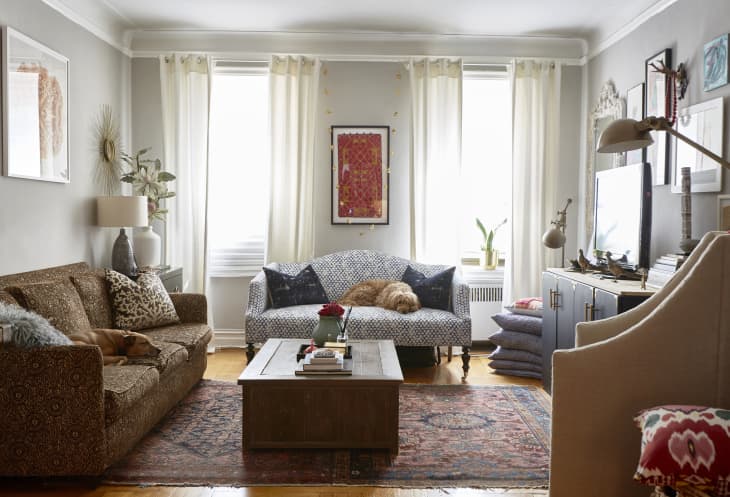
There’s nothing more classic than wool rugs
A classic wool rug, often in a Persian style, is a quintessential element in a traditional room. A wool carpet adds a richness and warmth that sets the stage for cozy upholstery and well-loved wood furniture. “A key element in any traditional home is always a good quality rug in a classic style,” says Sarah Beth Wood, principal designer at Rigby Wood Interior Design. “A traditional rug in a traditional home brings softness underfoot and carries the generational stories of weavers of the past.”
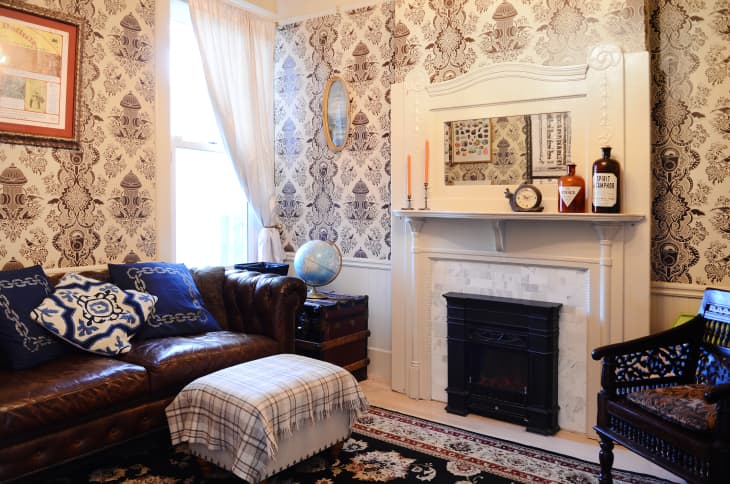
Traditional rooms need patterns
Traditional design may employ neutrals as the base, but it isn’t afraid of pattern with personality. Some of the most classic patterns — for example, Schumacher’s “Citrus Garden” (shown above in this California laundry room) or Brunschwig & Fils’ “Bird and Thistle” — are bold and statement-making. They’ve also been in the design lexicon for so long that they’re right at home with traditional decor.
“I encourage clients to use patterns in the rugs, drapery, and pillows, while keeping the base layer a neutral and traditional color. We could take two rooms with the same traditional sofa and get two very different results by working with pattern and color,” says Danielle Domingues, owner and principal designer at Collins and Co. Interiors.
“The key is to use patterns strategically, allowing them to complement architectural details and furnishings rather than compete with them,” Still adds.
How to combine modern and historic styles
“I like to aim for ‘fresh traditional,’ a style that incorporates those familiar lines and historic pieces but makes way for fresh color combinations and clean lines as well,” Ryan says. “This keeps traditional design from feeling too stuffy and precious.” For example, she recommends pairing a French sideboard or an antique rug with more quirky, modern styling around it.

How to style a traditional room
For a finishing touch, traditional design loves a styling moment, particularly if it incorporates objects like classic coffee-table books, found objects, and favorite heirlooms or souvenirs. Anything that tells a story is fair game, and every surface has the potential for a vignette. “Thoughtful accessorizing brings depth, warmth, and personality to the room without relying on busy patterns or excessive ornamentation,” Still says.
Design Defined
Never miss the style inspo and recommendations you crave with Design Defined. Follow along each week as our Home Director Danielle shares the best style advice, latest trends, and popular decor finds you just can't miss.