
Stop Throwing Out These 3 Kitchen Scraps — Use Them to Garden Instead
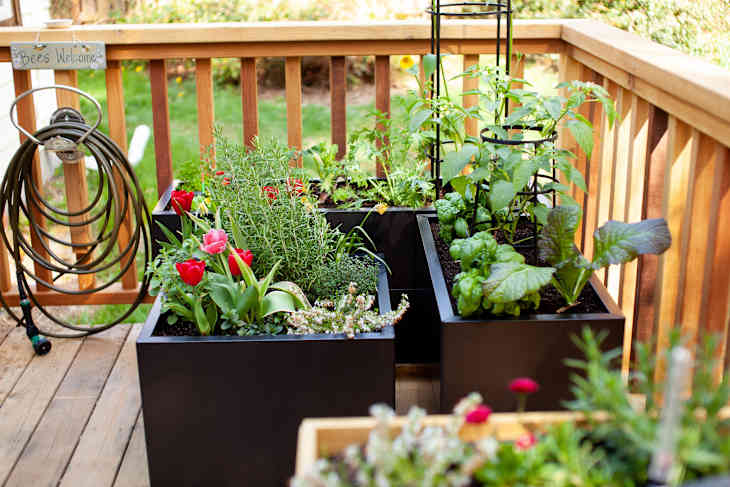
I come from a long line of farmers on both sides of my family. All of them have instilled in me Granddaddy’s notion that as long as you own dirt, you’ll never grow hungry. So, whether I’ve had a big backyard or just a few pots, I’ve always owned dirt — even when that dirt comes from a bag. But a person can’t just live off dirt alone. You have to feed it, if you want to eat.
When it comes to the bagged stuff, companies such as Miracle-Gro are required at the state level to display on their labeling a guaranteed analysis, according to ClassAction.org. In the analysis, you’ll see an NPK ratio that looks something like 24-8-16 denoting the soil’s nitrogen, phosphorus, and potassium ratio. While those numbers will decline with time, proper soil amendment is key for a fruitful garden.
There are plenty of fertilizers on the market to help adjust accordingly. But, whether I’m using a fresh bag of potting mix or amending some from the last growing season, my favorite way to continue nourishing my little sanctuary starts in the kitchen by using egg shells, banana peels, and coffee grounds.
Egg Shells Are an Excellent Calcium Boost
Calcium is “an essential element needed for growth and development of plants,” per one study on the subject published in Frontiers in Plant Science. Calcium helps promote the plant’s cellular structure and can help ward off pests and disease.
Without calcium, the young leaves and the growing points of shoots on plants can develop symptoms of calcium deficiency like gelatinous leaf tips, poor root growth, or the death of the growing point. Roots can turn black and rot, says the Alabama Extension, an outreach organization for land-grant education in the state.

Each shell of a chicken’s egg contains about 380 milligrams of calcium, according to the National Library of Medicine, which makes it a great addition to soil to help boost calcium levels.
After making boiled eggs for my breakfast, I first dry and then grind the shells in my food processor for a powerful, powdered supplement. Then I fold that calcium-dense powder into my soil.
The leftover boiling water doesn’t go to waste, either. After it’s cooled, consider this liquid your plant’s favorite energy drink: You can water your plants with this calcium-boosted water.

Used Coffee Grounds Help Fix Nitrogen Deficiencies
If your plants have consumed too much calcium, leaf burn can happen and will present as curled leaves, brownish spots, and even a chalky residue. Just like in humans, plant fatigue will follow, as Avrum Plant Labs points out. It turns out that the same cup of coffee I wash down my morning eggs with will work overtime in the garden.
By throwing a little used coffee grounds into my soil mix, University of Minnesota Extension confirms that my technique helps to acidify my soil a bit while balancing its nutrition. It also opens my plants to the uptake of phosphorus and micronutrients, and helps aerate an otherwise compacted soil.
It’s important to note that this isn’t a weekly practice. It’s meant only as an occasional supplement as needed — otherwise the pH levels will once again suffer, per the Master Gardeners of North Virginia.

The Potassium from Banana Peels Can Increase Proliferation
A spoonful of peanut butter and banana is my preferred cure for the occasional afternoon slump. A study published in Science Direct proves that a banana’s potassium is an effective component to increase human blood flow needed for energy and recovery.
Turns out I’m a lot like a plant — plants also suck potassium up during the life cycle, as University of Minnesota Extension explains. Think of it as a plant’s nutrient regulator. And, when it’s got plenty of it, it’ll produce crops like no tomorrow.
Every once in a while, I throw a banana peel into a quart-sized glass jar filled with water. After an overnight steep, my potassium-rich tea gets poured straight on my flowers and vegetables. You can also finely chop the banana peel into soil for composting. But the tea is a more instant transportation option. If my ever-blooming African violet isn’t proof enough, my pansies that should have faded away long ago in my lettuce crop have a thing or two to say, and my tomatoes are well on their way this summer to stand witness.

When All Else Fails
These are just a few of my favorite dust-to-dust tips to optimize your garden’s potential. But, if need be, most agricultural extension offices offer free to low-cost soil testing options to see what’s going on with your soil, and what it might need. Still, if you’re just starting out, don’t give up. The garden is very forgiving.