
I Tried the “Front and Center” Rule, and It Got My Fridge So Organized
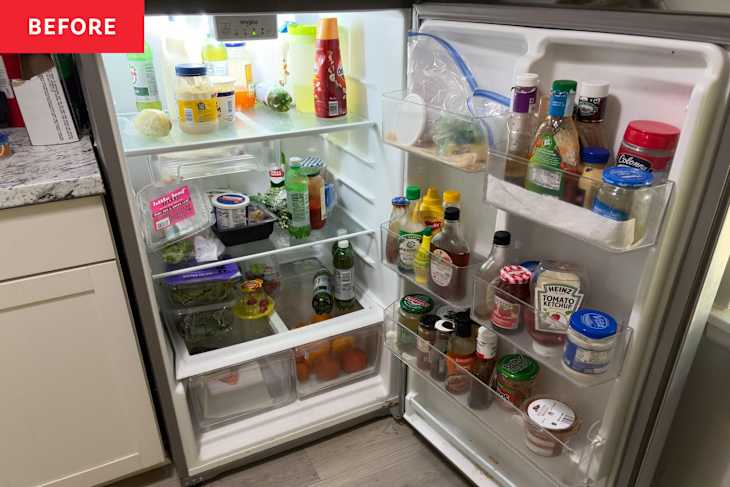
I used to open my fridge to what felt like a science experiment. Pushed behind tall condiment bottles, food would often get forgotten, leading to spoilage within a few days. Every shelf was a mess and the waste was getting costly. The problem was that because it was so disorganized, I didn’t see the food I needed to use first; I knew I had to do something about it.
I bought clear bins to corral my fridge clutter, but they still got pushed to the back and I forgot what was inside. Out of sight, out of mind! I realized it wasn’t the items I used to organize my fridge, but rather the system I use to keep it organized. In search of a new organizational system for my fridge, I discovered the “front and center” rule and gave it a try.
What Is the “Front and Center” Method for Fridge Organizing?
The “front and center” method focuses on placing foods in the most visible part of the fridge. For me, that’s at eye level, on the top and middle shelves.
The idea for the method is similar to how grocery stores put Manager’s Specials where shoppers can see them, or how you can organize smartphone apps you use most so they’re easy to find. Art galleries also use this technique by placing certain pieces front and center to achieve the best sightline, as do bookstore display counters. The same idea works in the fridge: The food that needs to be eaten gets the best spots.

How I Used the “Front and Center” Organizing Method in My Fridge
There are several items that get front-and-center placement so I can see them when I open the fridge door. Veggies and berries that expire quickly, like lettuce, cucumbers, and strawberries with a shelf life of a few days, as well as prepared foods that need to be eaten right away, all earn that slot. Leftovers are another item that needs to be eaten quickly; anything else short-lived also gets top billing, like squash that gets slimy in days.
Other front-and-center food staples include bread without preservatives, which tends to mold when stored too long at room temperature, and poultry, which I always store in the front of my fridge (and freeze the rest). Condiments, thankfully, do not need the same level of attention — I move jars and sauces to side shelves toward the back since they have a longer shelf life.
Final Thoughts on the “Front and Center” Method
The “front and center” method has helped me stop buying duplicates of food I already bought that gets pushed to the back, and now I use items right away before they spoil. This leaves more room in my budget to splurge on things I enjoy, like sushi dinners or Chinese takeout.
What I did realize in this process is that my pantry needed the same treatment. Because it has so many hiding places, the same rule works for dry food storage or cabinets. These items generally don’t go bad as quickly as perishable items in the fridge, but they’re just as easy to miss if placed on a lower shelf. After trying it initially, I rearranged my most-used pantry staples to keep them front and center so I can see them, which has helped cut down on overspending, and ensures it’s always easy to find what I use daily.
The simple rule doesn’t require a perfect fridge or pantry or any spending — just intentional placement. This makes it easier to use what I already have before it becomes another soggy or forgotten surprise, saving me money and time everyday.