
My Grandmother’s Dust-Busting Cleaning Secret Is Too Life-Changing Not to Share
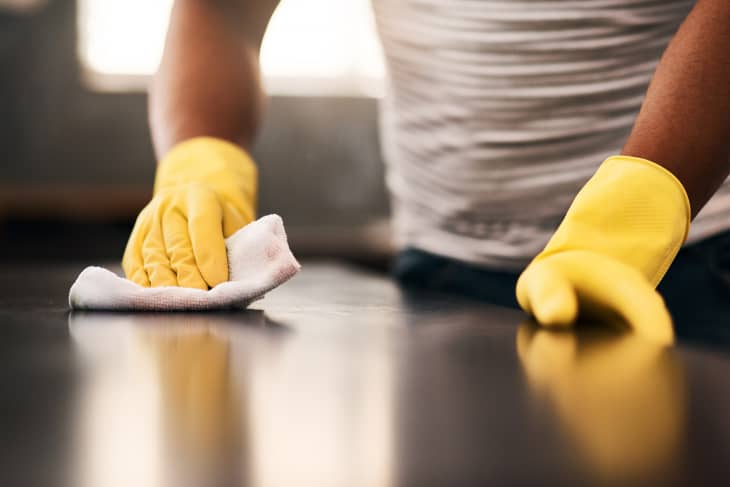
I like to work smarter, not harder, when it comes to cleaning. That’s especially true when it comes to dusting. It’s no fun to spend an entire weekend cleaning the house when it seems like the dust builds up without fail each week, leaving you to wipe down and dust the same shelves and cabinets in rotation. But what if I told you there’s a way to cut back on dusting? Behold: a dusting spray that my grandma taught me that helps repel dust.
What Is My Grandma’s Dust-Repellant Spray?
According to my Polish grandmother, you don’t need a whole caddy of cleaning supplies to get your home in tip-top shape. You can cut your cleaning time in half using dusting spray rather than just ordinary surface cleaner. All you need to re-create my grandmother’s dust-repellant spray recipe is vinegar, olive oil, and a touch of soap. The coating that the spray leaves on surfaces helps prevent dust from adhering and settling in, which means you’ll have to clean those hard-to-dust places a little less frequently.
How to Make My Grandma’s Dust-Repellant Spray
Here’s what you’ll need:
- 2 cups of water
- 1 cup of vinegar (disinfects and cuts through grime)
- 2 tablespoons of olive oil (polishes and keeps dust away for longer)
- 1-2 drops of dish soap (adds extra cleaning power)
Here’s how to make and use my grandma’s dust-repellant spray:
- Combine all the ingredients in a bowl or measuring cup (use a funnel if needed to avoid spills).
- Pour the mixture into a clean spray bottle.
- Gently shake before each use.
- Use it to wipe down everything from credenzas to coffee tables.
Now, this spray isn’t a miracle worker, so you will eventually have to dust your shelves and furniture. But I find that I can get away with wiping my surfaces bi-weekly rather than weekly when using this regularly. (For reference, I have two cats, so dust and hair build up in my home relatively fast!)
Other Recommendations to Repel Dust
If just the spray is no match for your dust piles, my mom, who is a housekeeper, also recommends using fabric softener sheets over baseboards and lamp shades to repel dust. When using this method, I only need to dust my baseboards once a month compared to weekly. Having said that, you can also use one tablespoon of fabric softener in place of olive oil in your dust-repellent spray to achieve the same results. You can, of course, fiddle with the ingredients and ratios to achieve a recipe that is best for you (and that will fit whatever spray bottle you have handy). Happy dusting!
Where to Use This Dust Spray
This spray can be used on most surfaces where you would normally dust. Try it on your coffee table, bookshelves, desks, dressers, and side tables. You can also use the spray on baseboards, window ledges, door trim, and picture frame ledges. To keep your surfaces from becoming too damp (which isn’t the best for wood), spray the solution onto a microfiber rag rather than onto the surface itself.
Where Not to Use This Dust Spray
While this spray can save you some serious time on dusting, it can also cost you time if you spray it on the wrong things. Be careful using the dust spray around mirrors or glass. Watermarks and oil streaks will make any glass look dull and dirty. You should also avoid using the dusting spray near upholstered furniture and curtains. The dish soap can attract dirt, and the olive oil could leave unsightly grease spots.
Is Vinegar Safe to Use on Wood?
Some readers have asked whether vinegar is safe on wood. Vinegar is acidic and can dull or damage certain finishes if used too often or left sitting wet on the surface. For the best results, try the following:
- Test the spray on a small, hidden spot first.
- Avoid soaking wood — always apply with a cloth, and never directly on the surface.
- Stick to sealed, finished wood only. For delicate or antique wood, skip vinegar-based sprays entirely and use a product made specifically for wood furniture.