
The Furniture Mistake That Makes Your Living Room Look More Empty Than It Is
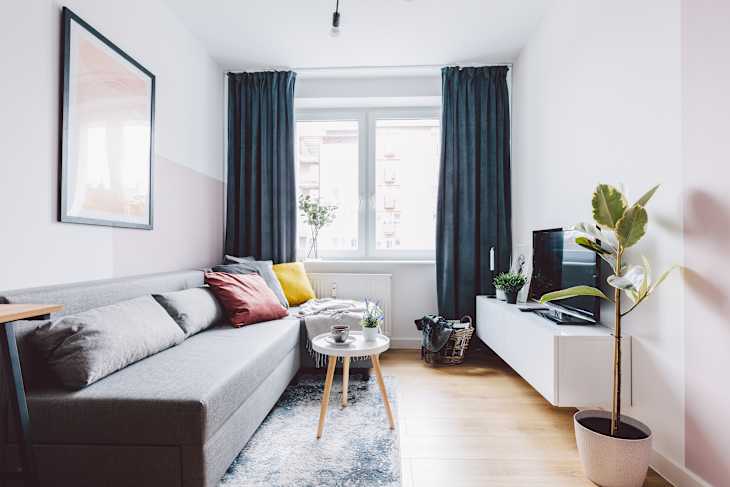
Many designers agree upon what they’d consider obvious living room layout mistakes, like choosing a too-small area rug that looks more like a postage stamp than actual carpeting. Then there are some lesser-known — yet still common — decorating issues still worth fixing. One frequent (but easy to avoid) mistake that continues to annoy the pros? Placing every piece of furniture directly against a wall rather than letting it breathe by floating it a little within the room.
Designer Genna Jacobs Freeman, the founder of Space Design Collective, puts it this way: “This creates an abyss in the middle of the room, a hollow unused space that stares right back at you.” In her view, choosing not to float furniture is far more detrimental and common than selecting the wrong piece for a space, but it’s a design misstep that can easily be fixed with a few thoughtful tweaks to your room.
The Easiest Way to Make Floating Furniture Work in a Small Space
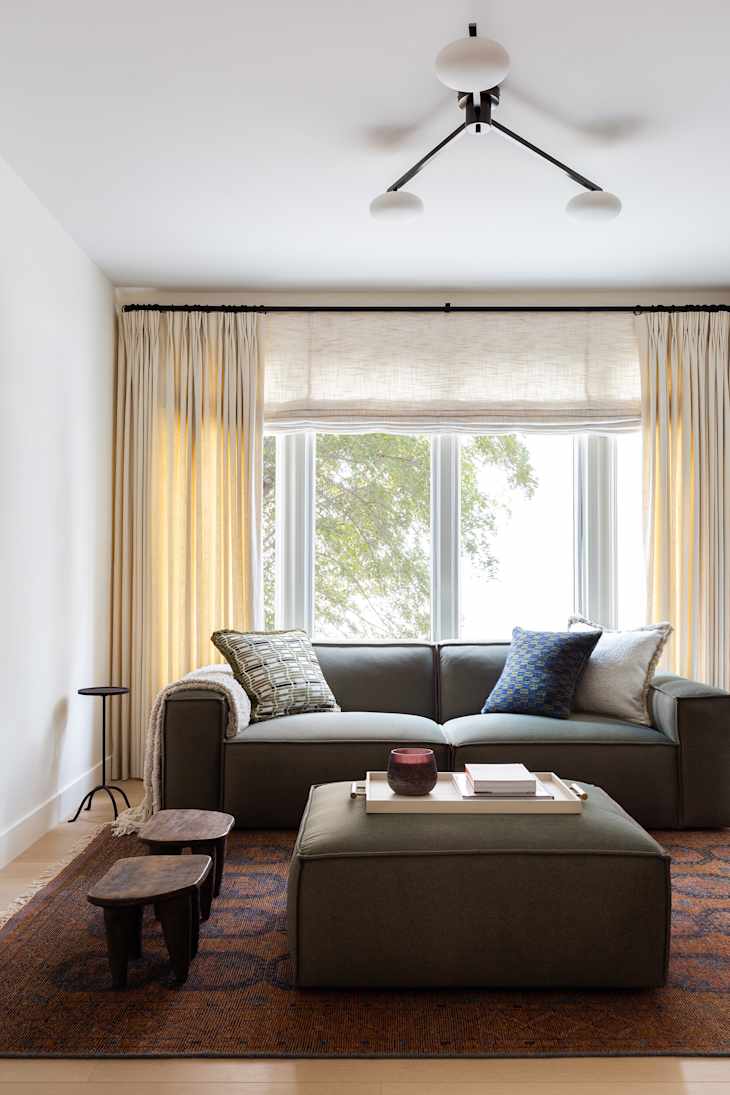
To float a piece of furniture, your space can’t be filled to the brim already. Designer Liad Schwartz, the founder of Interiors with Liad, says the main reason people don’t float their furniture has to do with a lack of square footage. That said, even altering your furniture arrangement just a tiny bit can prove worthwhile. “Try floating one main furniture piece and anchoring it with a rug to look intentional,” Schwartz offers.
Take your sofa, for example. There’s no need to push it up directly against the wall when you can bring it into your space a bit more, as Schwartz did in the cozy, welcoming living room you see just above. Bonus: You might even be able to use the space left behind the sofa to create a bit of unexpected storage.
Floating Your Sofa Can Create More Storage — And Make Your Room Feel Better
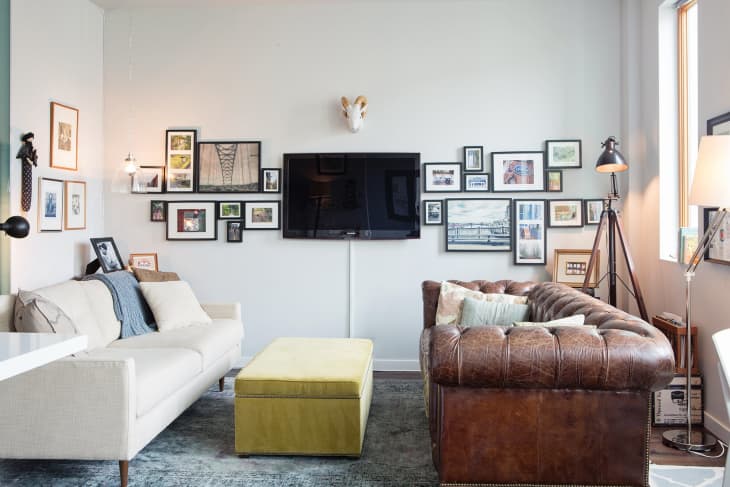
In my own living room, floating my sofa away from the wall has created a small nook that accommodates a few leaning framed pieces I’m not currently displaying. Hello, hidden art storage! I’ve also seen designers place a really thin, shallow console table in between a sofa’s back and the wall. That becomes a spot for putting anything from plants and lamps to magazines and books.
As it turns out, the benefits of floating furniture can be more than just aesthetic. “From a neurodesign perspective, humans are hardwired to scan for enclosed spaces and openness simultaneously,” adds Freeman, whose firm is rooted in the connection between nature, neuroscience, and well-being. “When you float a sofa or even a console just a few inches off the wall, you create breath. It signals both safety and intention.”
Design Defined
Never miss the style inspo and recommendations you crave with Design Defined. Follow along each week as our Home Director Danielle shares the best style advice, latest trends, and popular decor finds you just can't miss.