
The Life-Changing Norwegian Concept That’s Helping Me Survive This Brutal Winter
My family and I recently went on a dream trip to Antarctica. I was excited to get out and explore the frozen continent, from kayaking with humpback whales to hiking on glaciers and getting close to wildlife and ice caps while riding in a small zodiac boat. But obviously, when I booked the trip, I was worried about being cold. How would we fare in the frigid Antarctic temperatures? Was it even safe to bring my children outdoors under such extreme conditions?
The answer, according to Niek van Eck, the product planner of the expedition group we traveled with, HX Expeditions, is that it is absolutely possible to enjoy yourself outdoors, even in the coldest place on earth, and to do so safely. The secret? Van Eck and other expedition leaders use the Norwegian concept of “friluftsliv” — meaning “open-air life” — to create ways for travelers to safely explore some of the world’s most frigid regions.
After my trip to Antarctica and learning more about friluftsliv, I realized that even people like me who hate the cold can come to love being outdoors year-round, and that learning about this concept would be useful far beyond one of the biggest trips of my life.
What Is Friluftsliv?
Friluftsliv is a Norwegian term meaning “open-air living.” However, during my trip, I learned that it’s about more than just spending time outdoors. It’s a philosophy and way of life. “Friluftsliv is about embracing nature as part of everyday life, slowing down, breathing fresh air, and feeling connected to the natural world, in every season. It’s really about mindset,” van Eck says, adding that “you don’t need to be an extreme adventurer. It’s about getting outside in a way that feels comfortable and enjoyable for you.”
For some people, that might be as simple as taking a walk around the block during a cold snap that might otherwise have kept them indoors. “Dress properly, move at your own pace, and focus on the experience rather than performance. Even a simple walk in crisp winter air can feel restorative if you approach it with the right attitude,” says van Eck.
How to Use Friluftslive and Enjoy the Rest of Winter
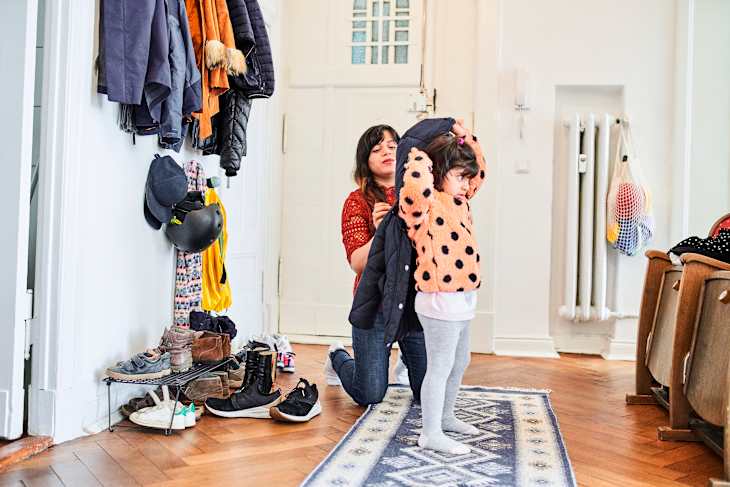
Van Eck says that “the key to enjoying the outdoors in cold weather is dressing properly. A good insulated parka, waterproof boots with solid grip, thermal base layers, warm socks, a hat, and gloves make all the difference.” Incorporating friluftsliv into your life doesn’t need to be expensive, but having the right clothing is essential to staying safe and warm. “Layering is important so you can adjust as your body warms up. If you’re comfortable, you’ll enjoy the experience much more,” he explains.
In addition, HX Expeditions recommends keeping nine “mountain wisdom rules” of friluftsliv in mind when spending time outdoors in winter. Your mileage may vary with these rules — especially if you’re just trying to shift your mindset around going out on a long walk in the park in the winter vs. exploring a mountainside — but they’re good to keep in mind.
- Plan your outing carefully and let someone know your route. For example, if you plan to go on a winter hike, confirm the trails are clear and let someone know where you will be.
- Adapt your plans to your skills, experience, and current conditions. If you get to the trail and find that it is full of ice, look for an alternative.
- Check weather warnings before and during your trip. If a big storm is predicted on the day of your outing, you may need to go out earlier in the day, before conditions worsen.
- Carry the right equipment for your activity so you can take care of yourself and others. Some examples are bringing enough water and carrying a small first-aid kit in case you are injured or encounter someone who needs assistance.
- Be prepared for sudden changes, even on short outings.
- Choose safe routes and recognize unsafe conditions such as unsafe ice or terrain.
- Use a map and compass so you never get lost.
- Turn back if needed.
- Conserve your strength, which may mean seeking shelter.
“A winter walk in a local park, a gentle hike, snowshoeing on flat terrain, sledding with family, or simply building a small fire and enjoying a warm drink outdoors — all of that counts,” Van Eck explains. “Friluftsliv isn’t about conquering nature, it’s about spending time in it,” he explains.
How I Use Friluftsliv to Enjoy Winter Even if I Want to Stay Inside
When I first returned home from Antarctica, I was determined to put friluftsliv into action. Although it felt like overkill, I started by putting on my base layer and parka for a walk to my local coffee shop. Although I often walk to get coffee and run errands in warmer weather, before learning about friluftsliv I never would have considered doing so during the polar vortex that took over my hometown of Washington, DC, this winter. Not only did I stay warm, but I also felt refreshed after being outdoors and going for a walk in the crisp winter air — especially when I picked up a warm drink to enjoy on my way home. I felt happier and more energetic when I returned.
I’ve also bundled up my kids and gone for hikes in my local park, always checking out trails ahead of time using the AllTrails app and letting my husband know where we are going. Previously, I rushed my kids home from school in the winter, but now I’m more open to allowing them to stay after school to play, being mindful that we are all wearing the right clothing and paying attention to when the weather changes. We usually go home before it gets dark, and conditions may turn icy. I recently even agreed to use our fire pit to make s’mores on a cold night.
Next winter, I hope to incorporate longer winter hikes into my family’s routine. I’m very grateful that I learned about the philosophy of friluftsliv to encourage me to get outdoors all year long.