
6 Thrift Store Finds Designers Wish People Would Stop Buying
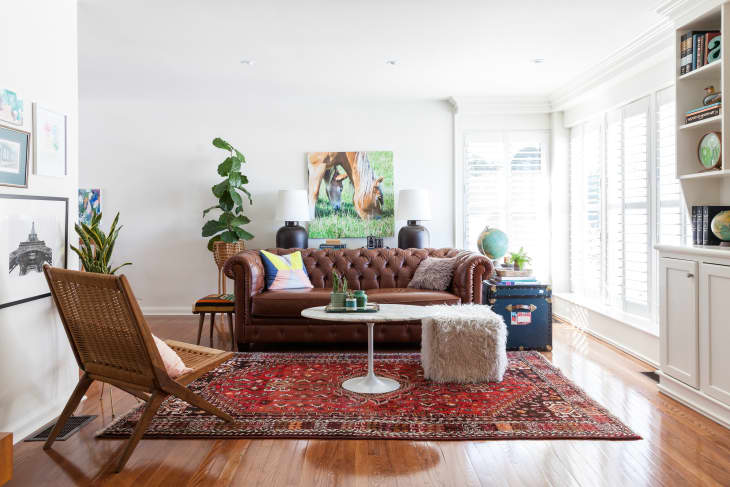
Whether you’re aiming to decorate your home on a budget or shop more sustainably, I always advocate for a trip to your local thrift store. Buying home decor secondhand is often more cost-effective than buying new. It’s also an easy way to add warmth, character, and lived-in patina to your space.
That said, not all thrifted items are created equally. The key? “Edit harder than you shop,” says interior designer Justin Q. Williams of Trademark Design Co. “Just because you found it doesn’t mean it belongs in your home.”
I spoke to Williams and two other interior design experts to find out the following question: Which overrated items do they wish their clients would stop thrifting, and why? Read on for their (potentially controversial) advice, and keep these tips in mind on your next thrifting expedition.

Ornate Vintage Mirrors
At first glance, that ornate, baroque-style vintage mirror from the thrift store might seem like a smart purchase, but more often than not they’re just not right for the space. “Most people don’t realize how hard they are to balance in a modern space,” Williams says. They can easily dominate a room, so it’s important to make sure your entire design supports a statement piece like that — both in terms of scale and aesthetic.
Excessive Baskets, Glasses, or Small Decorative Items
Fans of rustic or cottagecore aesthetics might be tempted to thrift old-timey baskets, artificial flowers, or apothecary glasses — but discernment is key when it comes to these smaller accent items, says Leslie Ward, interior design expert and real estate professional with Raleigh Realty. Like anything, she says, too many trinkets will crowd the space and prevent any from standing out: “They tend to create clutter if their styling purpose was never clearly defined,” she tells me.

Oversized Wooden Furniture
Large wooden furniture pieces (think: wooden dressers or display cases) can work in some homes, but more often than not they “can look really bad and outdated,” says Robert Aumann, interior design expert and founding partner at LuxurySoCalRealty. He often advises his clients to avoid these clunky, hard-to-style pieces when shopping for furniture at the thrift store.
“What’s most important about combining secondhand items with modern furniture is knowing when to stop,” Aumann adds. In many cases, just one small vintage piece can be enough to give your space some flair.
Particle Board Furniture
Of course, sometimes particle board pieces are perfect — they’re budget-friendly, and can oftentimes be really cute. But it’s not the most durable material; if you’re going to buy particle board furniture, it might not be worth the headache to get it secondhand.
“I would steer clear of any cheap furniture made out of particle board,” Ward cautions. Unlike solid wood furniture, these flimsier pieces weren’t built to last, and they can’t be restored when they inevitably fall apart, she explains. It’s safer to stick to solid wood pieces.

Mismatched Vintage Dishware
Eclectic dishware is easy to thrift, but if you’re tempted to collect mismatched vintage plates or drinking glasses, be “very intentional” with your selections, Williams cautions. “Without a clear color story or purpose, it just becomes visual noise.” Alternatively, he suggests thrifting vintage bowls or trays, which add personality to your kitchen more subtly. That way, you won’t keep cluttering your cupboards with a random assortment of bowls or mugs.
Worn Upholstered Chairs
“People underestimate what it takes to properly restore old, upholstered chairs with heavy fabric or visible wear,” Williams says. You might have the perfect vision for how to style that retro chair in your space, but by the time you’re done deep-cleaning it, you could end up spending significantly more than you planned. Often, it’s more cost-effective (and hygienic) to buy new.
Aumann agrees: “There could be unwanted smells or pest infestations with these items.”
Design Defined
Never miss the style inspo and recommendations you crave with Design Defined. Follow along each week as our Home Director Danielle shares the best style advice, latest trends, and popular decor finds you just can't miss.