
I Sent Photos of My Container Garden to a Pro Gardener — Here’s What She Told Me to Fix
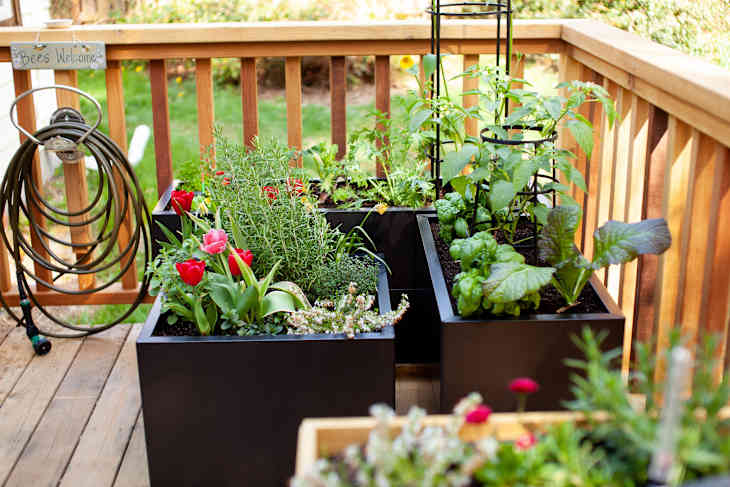
For me, home projects usually have a predictable pattern: deciding, procrastinating, and then finally doing. My most recent patio project, a small raised planter, was no different. I had initially planned to put a grill on my tiny patio, but when I found out my building wouldn’t allow it, I decided to put a raised garden here — then dragged my heels on actually finishing.
But earlier this year I came across this elevated garden bed from Vego Garden with a sage green color I loved and a two-foot-by-four-foot size that would fit perfectly into that snug little spot in the north-facing corner of my patio. (The wheels, an optional add-on, make it even more practical.) Once I had the elevated garden in place, thanks in part to my dad and brother’s assembly, it was easy to put the soil and plants in next; I picked basil, parsley, rosemary, thyme, and tomatoes.

This is my first time gardening in this apartment, where the sun and other conditions are brand new, and I want to make sure that my garden will thrive for the long-haul. So I asked pro gardener Becky Searle, author of Grow a New Garden, to weigh in on what I’m doing right and what I need some help with. Here’s what Searle said to change.
Fill the garden bed to the top.
It took about four large bags of soil to fill this garden bed to the level it’s at now, but Searle suggests that I fill the soil all the way to the top. “It might feel like you’re saving money by not filling it all the way, but the additional potting compost in the container will give your plants more access to water and nutrients,” she says. “Also, when the plants are sun down even slightly, it can reduce the amount of sun reaching them. It is especially important to maximize sun when you’re working on a north-facing patio like this one where sunlight can be slightly limited.” Because my bed is on wheels, I could potentially move it to get more sunlight.
Choose a dark soil.
While I made sure to buy a nutrient-rich soil, Searle could tell from the photos that it wasn’t as nutrient-dense and it could’ve been. “I always try to find something nice and dark in color,” she notes. “A rich, dark chocolate color is perfect and will hold onto water well, while containing plenty of nutrients to fuel your plants’ growth. This means less watering for you, and more food for the plants.”
Searle says that my lighter-looking soil likely means that I’m watering more often than I would be if the soil was darker (I’m currently watering every other day). “Think about installing a drip system, or making friends with your neighbors if you need to go away for a few days to make sure your plants have water,” she says.
Give the tomatoes more attention.
Tomatoes require a lot of water, and Searle could tell from the slight curl on my tomato leaves that they may be thirstier than I anticipated. “Try to water them when they aren’t in direct sunshine, if possible, as watering in hot sunny conditions can lead to a lot of water loss through evaporation, and therefore less water for your plants,” she says. And given all this water, which can wash away nutrients, she used this moment to remind me about a fertilizer regimen, too. “How you use fertilizer will depend on the particular product you are using, so always be sure to check the label,” she notes.
While I’m not in this position now, I know that the tomatoes will eventually need something to prop them up as they grow, which Searle mentioned. “If they are vining tomatoes like cherry or plum varieties, consider how you will support them,” she says. “Generally, these are too large for a piece of bamboo and may be better off with a trellis or even a rope to climb up. They will also benefit from having more space between the plants — I always leave at least 40 centimeters between my tomato plants, and more if they are bush tomatoes.” The space will also allow air to circulate better, making it harder for fungi to take hold.

Spread out the herbs.
When I was plotting where my herbs would go, I was worried about planting them too far apart and running out of empty soil space that I might be able to use in the future. That choice slightly backfired. “The herbs are also perhaps a little close together,” Searle says. “You have plenty of space, so think about carefully moving them so they are a bit more spaced out.”
Add flowers for the pollinators.
While it might seem like a garden intended for cooking ingredients wouldn’t need flowers, Searle vouches for them. “Flowers are really beneficial in gardens because they help draw in pollinators,” she says. “These will then visit your tomatoes, ensuring that the flowers turn into fruits, something that won’t happen without the help of a pollinating insect. Something like lavender is really attractive to bees and can also be used in cooking. It is also well-known for its relaxing scent, so you naturally enjoy visiting your garden more when it smells good.”
Besides lavender, Searle also recommended marigolds, which are good at deterring pests around tomatoes. “Ultimately, you can and should add any flowers you like. Something that trails over the edge won’t take up too much space in your bed, and it’ll look lovely,” she says. “Adding flowers not only draws in pollinators, but it also attracts gardeners, and plants are always happiest when they are regularly tended.” I’m already happy with this garden, so I’m looking forward to how much happier things could be.