
I Tried 3 Ways to Revive My Outdoor Wood Furniture — Here’s What Actually Worked Best
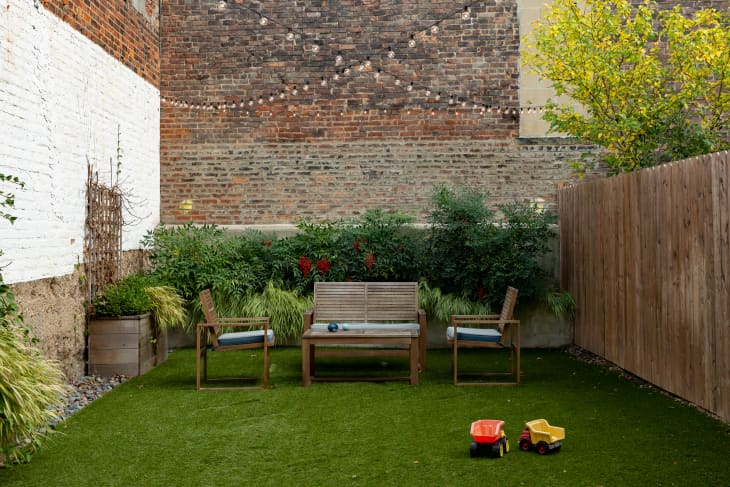
I bought a set of wood outdoor furniture off of Facebook Marketplace a couple of years ago. It was a great deal — $100 for a loveseat, two chairs, and a coffee table (with cushions) — and the petite size fit perfectly on my city patio.
I wasn’t particularly attached to it from an aesthetic standpoint, but at that price point I figured it could at least get me through a few seasons until I found my dream patio set. But, two years in, I’m still holding onto this original set, despite its less-than-brand-new appearance.
I know there’s some upkeep I’ve probably slacked on, and in an ambitious moment (read: before summer’s hottest days set in) I decided to try out a few methods to restore and cure the wood furniture. I tested spots using teak restorer, mineral oil, and olive oil — and what I found kind of worked. Here’s what I tried, and what I learned.


My Process for Curing My Outdoor Wood Furniture
How I Tested These Methods
The three methods I tested were teak restorer, mineral oil, and olive oil.
Before testing, I first cleaned my wood furniture as much as possible. I didn’t get it sparkling clean, but I used a towel and water with a bit of dish soap on it to try to get the worst of the grime off. Then, it was time to restore.
All three methods take roughly the same amount of time. There’s the initial cleaning of the furniture, then a few minutes of applying the oil or restorer to the surface. After a few minutes, any excess should be wiped off. Each of the methods takes a few hours to dry and roughly 24 hours to completely cure.

In terms of cost, you can get 16 ounces of the teak restorer for $12.99, 8 ounces of the mineral oil for $8.98, and 33.8 ounces of olive oil for $10.99 (if you buy it at Trader Joe’s). Cost-wise, that puts the olive oil as the winner (plus, you’ll be able to use it in the kitchen, not just for the furniture refurbishment). But I actually recommend against olive oil, and you’ll find out why below.
Teak Restorer
A material-specific product is one of those things where you’re not quite sure if you’re buying exactly what you need or getting ripped off for something you could make at home. Still, I decided to buy a teak restorer anyway to see if it could help my outdoor set.

The spray bottle made it easy to apply a coat of the liquid to the furniture. I used a paper towel to make sure it had spread evenly, then waited for a few minutes to let it soak on. I then polished away the excess with a towel. The teak restorer may have given the wood a color that was slightly darker, but the difference was negligible.
Mineral Oil
I’ve long used mineral oil in the kitchen for restoring wood cutting boards, so it was no surprise that it’s one of the top-recommended products for giving wood furniture back its pizzazz.

I cleaned the surface of the wood furniture, then applied mineral oil. After a few minutes, I rubbed away the excess and stepped away to let it dry.
Olive Oil
I read online that olive oil could be a way to add much-needed moisture and shine back into outdoor wood furniture and, given that I have a large bottle of olive oil sitting in the pantry at almost all times, I figured I should try it. Similar to the mineral oil, I wiped it onto the clean surface of the wood furniture, let it sit, then polished off any excess.
There was a wild card, however, that took olive oil out of the running. While my initial research suggested it as one of the best options, looking further into it showed that olive oil can actually go rancid over time — especially in heat. Olive oil spoiling on outdoor furniture during a heat wave? That’s not exactly something that screams “relaxing outdoor oasis,” so I’d skip this method.

Was There a Clear Winner?
Looking at the after, there was no clear winner in terms of looks. (If someone has a magic ingredient to totally bring my furniture back to life, I’m all ears.) None of them performed any miracles on my outdoor wood furniture, and the best I could ask for was giving the wood some much-needed moisture to keep it from cracking and splitting.

Given the issue with olive oil going rancid, that means it was down to the mineral oil or the teak restorer. I would lean toward the teak restorer, as the spray bottle application made it easy, and it actually cost less per ounce than the mineral oil. Plus, its main ingredient is mineral oil, so it’s a similar product for a lower price. There are two additives, including fragrance, but for something I use once (maybe twice) a year the tradeoff is worth it. Next time I try this, I will probably add linseed oil to the experimental lineup.
Have you found a go-to method for restoring your outdoor wood furniture? Let me know in the comments.