
Satin or Brushed Nickel? How to Choose the Best Finish, According to Hardware Pros
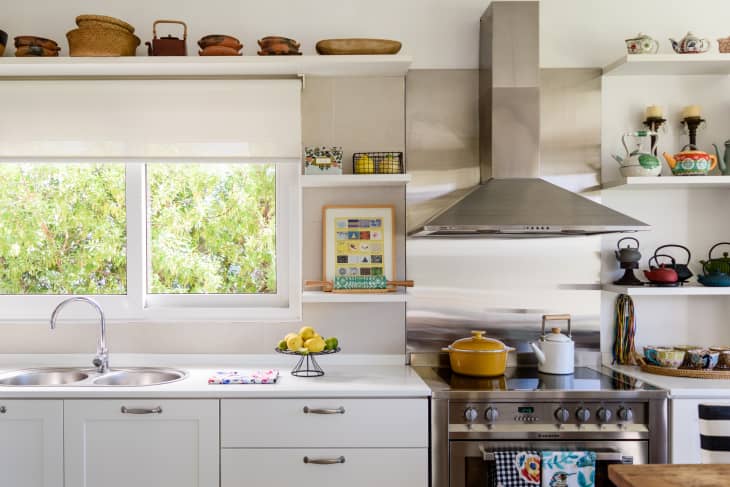
Since nickel finishes were introduced in the early 19th century, they’ve remained a go-to in kitchens and bathrooms — and for good reason. They strike a Goldilocks-like just-right ground between high-shine chrome and warm brass, offering versatility that works across design styles. While finish trends (like matte black and unlacquered brass) come and go, brushed and satin nickel endure thanks to their durability and low-maintenance appeal.
At a quick glance, the two can look nearly identical. Don’t be fooled, though. Brushed and satin nickel are not the same. The difference lies in the texture, sheen, and how well they hold up to everyday wear.
To break down those distinctions, we spoke with Arielle Lopresti and Teegan Cocchiaro, directors of luxury hardware company Lo & Co Interiors, as well as Ansley Majit, principal designer and founder of LARK+PALM Interiors. These experts delve into how these particular finishes are made, how well they perform in real life, and how to choose the right one for your space.
From a manufacturing standpoint, the finishes share a similar foundation. “Both satin nickel and brushed nickel are electroplated and then lacquered with a soft sheen lacquer,” Cocchiaro says. Look closely, though, and the distinction is clear. “The main difference between satin nickel and brushed nickel lies in texture and sheen,” Lopresti adds. “Satin nickel has a smooth, soft sheen with a more uniform surface. Brushed nickel, on the other hand, has visible fine brush lines that give it a subtle texture and a more matte, diffused appearance.”
The key takeaway? Satin nickel is smooth and tailored; brushed nickel brings texture and depth. Both are durable, timeless options, so the right choice ultimately comes down to the look (and lifestyle) you want.

What Is Satin Nickel, and How Is It Unique?
Satin nickel stands out for its smooth, consistent finish with a soft sheen. “It’s clean and uniform,” Majit says. While not reflective, it is refined, reading as crisp and new.
That tailored quality works best in contemporary spaces, complementing clean lines, minimal detailing, and a more edited aesthetic. “It’s a strong choice when you want hardware to quietly support the design without adding too much visual texture,” Majit says. “It feels fresh, especially in kitchens or baths that emphasize simplicity.”
“Satin nickel leans a touch more polished and modern,” Cocchiaro says. “If you are looking for something more durable and understated, opt for satin.”
What Is Brushed Nickel, and How Is It Different?
Brushed nickel is defined by its texture. Visible brush lines give it depth and a more matte, diffused appearance. “Brushed nickel feels softer, more forgiving, and a bit more casual,” Lopresti says. “If you’re looking for something more luxurious and elevating, brushed nickel is the perfect choice.”
That texture has practical benefits, too. It’s generally better at hiding fingerprints and everyday wear, especially in high-touch areas, like kitchen faucets and bathroom sinks.

“Visually, it feels more nuanced, like it has a story, rather than being perfectly pristine,” Majit says. “I tend to recommend brushed nickel in homes that feel layered, collected, and thoughtfully evolved. The subtle texture gives it richness and a sense of heritage, almost as if it’s been part of the space for years.”
Surrounding materials matter, too. Majit recommends pairing brushed nickel with natural stone, aged woods, or layered textiles that enhance its warmth. “In homes where materials, finishes, and details are intentionally layered, brushed nickel adds soul and dimension rather than just functioning as a neutral
backdrop,” Majit says. “It allows the hardware to have a moment, rather than just a functional utility.”

Brushed vs. Satin Nickel: Pros & Cons
When choosing between the brushed or satin nickel, the decision comes down to performance and personal style.

Satin Nickel
Pros:
- Smooth and refined appearance.
- Contemporary feel.
- Works well in minimal, modern spaces.
- Low-maintenance compared to polished finishes.
Cons
- Since it’s smoother, buildup may be slightly more visible over time in high-traffic areas.

Brushed Nickel
Pros
- Better at disguising fingerprints and everyday wear.
- Diffused finish adds warmth.
- Feels layered and dimensional.
- Especially forgiving in busy kitchens and baths.
Cons
- The added texture may feel too busy for minimal spaces.