
Designers Always Notice This One Small Detail When They Enter a Home
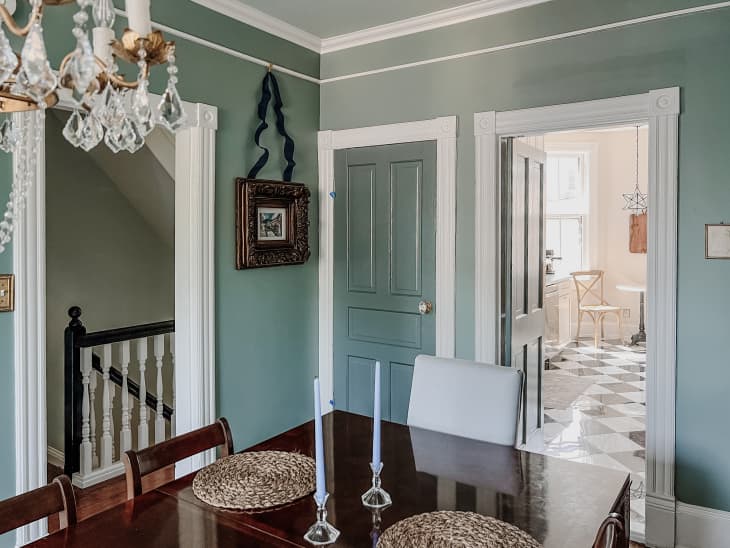
When design experts look at a room, they see it differently. Most people might notice the vibrant paint color or perhaps the funky sofa; they’re looking at the big picture and how the room feels overall. But the pros immediately home in on the often-overlooked details. They notice the tiny specificities that separate a nice room from one where nothing has been left to chance. They see where someone thought through how a contrast cording might elevate a pillow or an upgraded lampshade could turn big-box lighting into something truly special.
And there’s one detail that design experts always notice the minute they walk into a room — or, likely, even before. It’s the doorknob. It’s a small detail, but it’s the one that can set the stage for an entire room. It’s the first thing you experience both visually and physically. It’s the literal entry point into a space. And that’s why it’s the first and most important detail. Here’s how to get it right.
The Plight of the Bad Doorknob
Unless you’re renovating your home or apartment from the ground up, chances are you’ve moved into a place where the doorknobs are an afterthought. They might be builder-grade knobs — the cheapest thing the landlord or previous owner could find at the time. They worked and that was enough. Or, perhaps, you have an old home, and a few remaining original knobs are still there, mixed in with a slew of 1980s polished brass knobs and the occasional polished nickel lever circa 2010.
These doorknobs aren’t just an eyesore — they set the tone for the room. And if that tone is cheap, wobbly, and worn, it can impact the entire space and make a bad first impression. Designers might be the ones who immediately notice it, but anyone can sense something is off. The room will feel tired, but they won’t quite know why … it’s that tarnished fake brass doorknob that’s practically falling off the door.
How to Get Doorknob Details Just Right
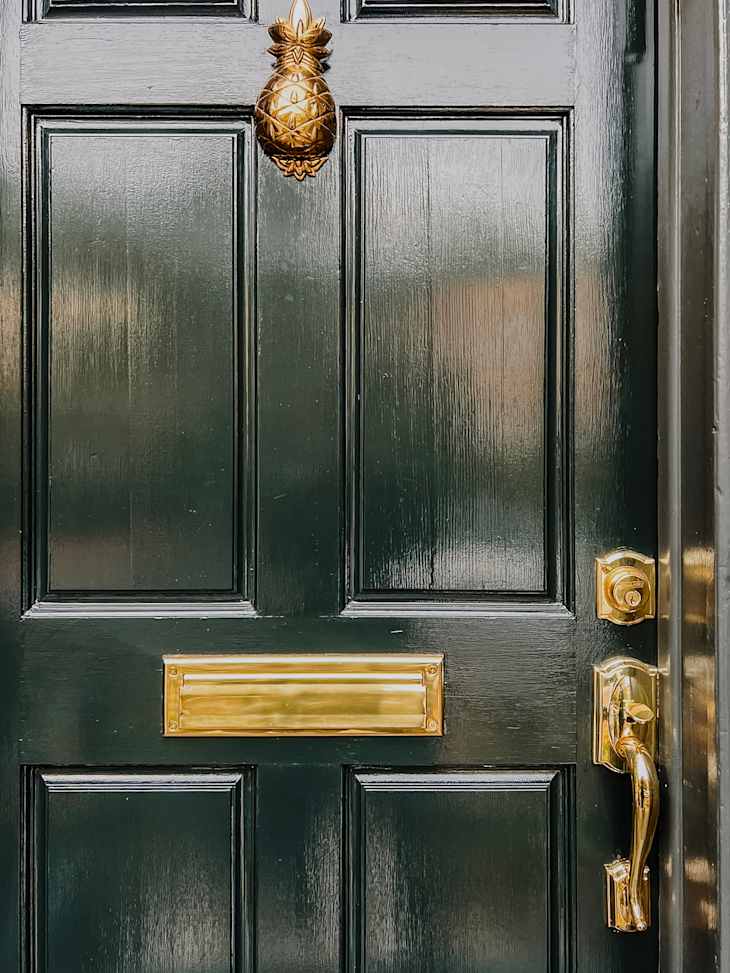
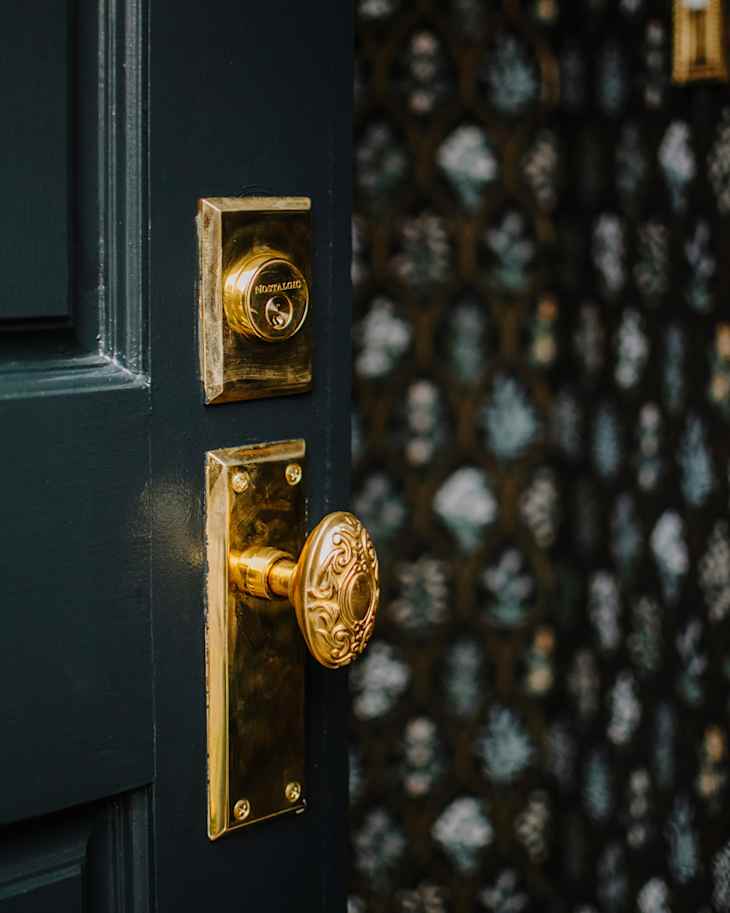
The doorknob is not just a visual detail; it’s a tactile one. Getting it right requires investing in solid metal, and that’s before you even get to the aesthetics. If you’re lucky enough to have vintage door knobs already, a little bit of DIY can restore them. But if you’re stuck with replacing a builder-grade knob, it’s time to look for solid brass. It feels weighty, and, particularly on the front door, it gives your home a sense of presence before you even walk in.
A solid brass front door set isn’t the cheapest upgrade you can do — a set might run you a few hundred dollars — but in the grand scheme of renovation projects, it’s a lot less than a new front door. The same goes for interior knobs, and you can start with the doors you use most often or go section-by-section, floor by floor through your home. “A door knob is a great way to update a space while not blowing the budget, since new hardware (and oftentimes a little bit of paint) can make a door feel new again,” says designer Sierra Troitsky Interiors. “I’m remodeling my own 1940s Art Deco home, and an era-appropriate door handle can reinforce the ‘feel’ of a home and give the space more personality.”
Match Your Doorknob to Your Home’s Architectural Style
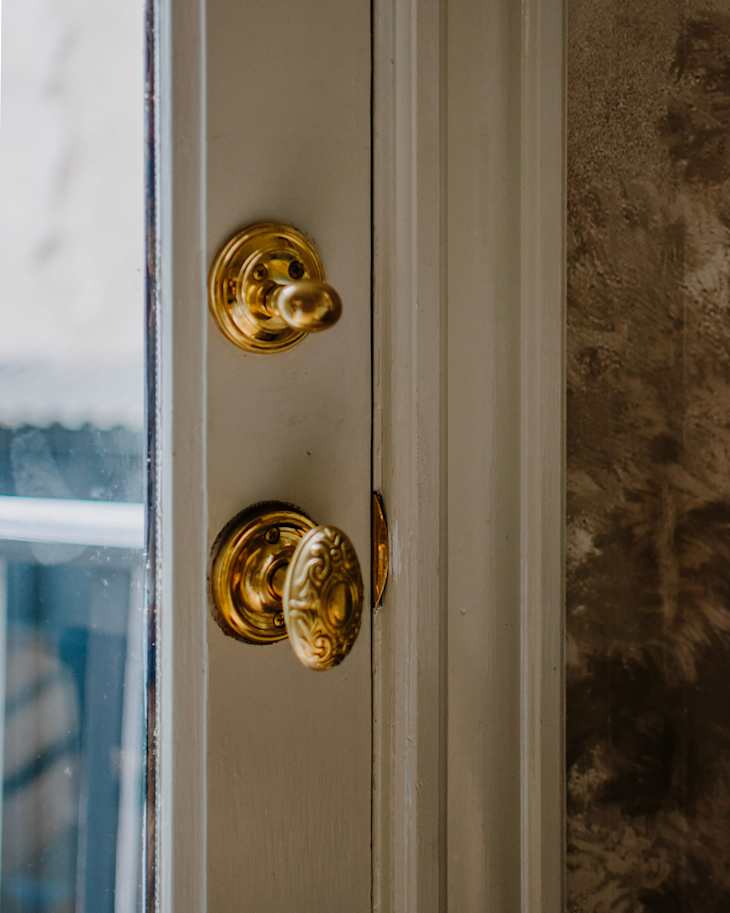
Choosing the right doorknob, whether it’s exterior or interior, means taking your home’s style into account. A Victorian should have a slightly ornate Victorian knob. A colonial looks best with something handsome and simple. And, if you have a modern home, sleek and minimalist is the way. Think of it the same way people refer to cabinet hardware, as part of the jewelry of a home.
You can go the salvage route by finding old door knobs at antique shops or vintage stores, or you can buy solid brass reproductions and newer styles online (which are often easier to install, as there’s no retrofitting involved!). Sources like Nostalgic Warehouse, House of Antique Hardware, and Rejuvenation all have a range of antique-style and more modern doorknobs, along with the hinges and all the accoutrements, that all will make your space feel instantly designer-approved.