
I Wish Every Home Had This Over-the-Top 55-Year-Old Feature (It’s So Midwestern!)
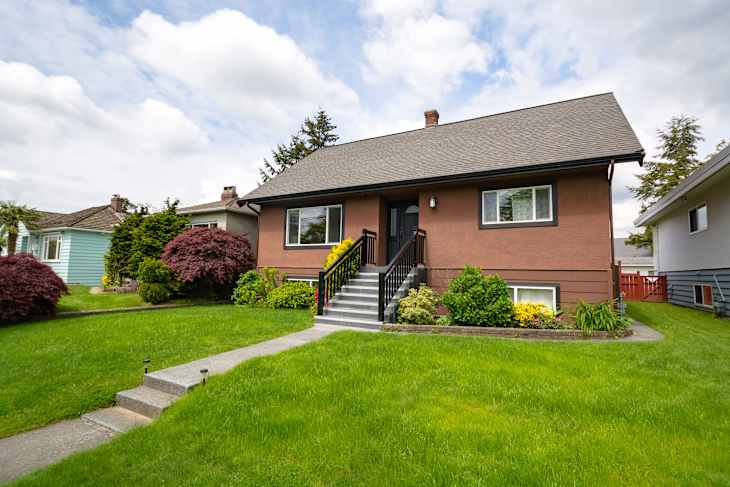
I’m not a big drinker. I’d rather have a nice cup of tea than a glass of wine or pint of beer, even if it’s late in the day. Nonetheless, I was thrilled to discover during the first showing of the home my partner and I recently bought that there is a bar in the basement. It’s a feature I haven’t seen in homes in a while, even though they were all the rage in the Midwestern basements I grew up in throughout the ’80s.
Having a bar in the basement wasn’t on my list of “must-haves” — not by a long shot — but as we approach move-in day I’m getting more and more excited about living in a home that has the feature that defined my childhood and feels ubiquitous to the region I grew up in (even if I’m only using it for the fanciest teatime ever). That excitement led me down a rabbit hole to learn everything about basement bars.
When Were Basement Bars Popular?
Most basement bars were added to homes in the 1970s and ’80s, says Jennifer Q. Williams, vice president of 22 Company Property Management and president of Saint Louis Closet Co. They typically had wood paneling, a mirror on the back wall, and sometimes built-in beer taps. Midwesterners also love a good theme, too — a family friend of ours had a tiki-themed basement bar, and a neighbor had one designed to look like a row of hockey sticks.
“Anything went back then!” Williams adds. “I remember my grandparent’s basement bar was the typical bamboo-style bar with a brass cash register prominently displayed atop the counter, ready for friends and family to pay a penny for a beer.”
According to Michael Hines with Coldwell Banker Realty, Oyler Hines Group in Cincinnati, basement bar popularity surged again throughout the ’90s before the trend lost steam.
Were They More Common in the Midwest?
Anecdotally, I know that so many homes I went to growing up had a coveted basement bar, and in Midwestern cities like Milwaukee, they’re a celebrated part of real estate history. Maybe it’s because it gets pretty cold here, and a lot of people don’t want to brave the winter winds. Plus, Midwesterners love to entertain, especially in the colder months when folks all get a little bit of cabin fever. What better place to spend a chilly or snowy winter evening than in someone’s basement drinking beer and enjoying a party salad?
Basement bars also allowed folks to not spend time sprucing up the rest of the house — and often, you could go in a basement door and not worry about tracking snow or sleet through the rest of the home. “A finished basement with a bar was the perfect setup for hosting friends without messing up the main living space,” Williams says.
What Happened to the Basement Bar?
Basement bars were another casualty of the open-concept living movement of the late ’90s and early 2000s. Because the remainder of the home was sleeker and more modern for the time, basement bars “felt dated or potentially too themed,” according to Williams. “[Plus,] not every homeowner wanted to maintain a separate drinking space, especially when basements sometimes act like storage spaces in some homes.”
Hines attributes the decline more to a change in the location of gatherings, noting that the basement was considered a little too far for people to congregate. Most parties were seeing people gather in the kitchen or great room, and “a basement bar might spread people out,” he says.
The Basement Bar Revolution
I know I’m not the only one completely pumped to have purchased a house with a basement bar. My brother bought a house with one, too, for starters. In good news, the basement bar is making a triumphant return. (“Thank you, Mad Men!” Williams says.)
The resurgence has a lot to do with the COVID-19 pandemic, she notes. People were staying at home more and, post-pandemic, wanted to invest in ways to entertain in their own house.
Today’s basement bar looks a little bit sleeker than the wood-paneled beauties of the past. Hines says they commonly have a beverage center, open shelving, and sometimes a bar sink, along with decorative areas for fancier bottles.
“Think quartz countertops, adjustable shelves, built-in wine fridges, and mood lighting,” Williams adds. Mine, however, will be firmly ’70s.