
I Have ADHD, and Decluttering These 8 Things Made My Life Easier
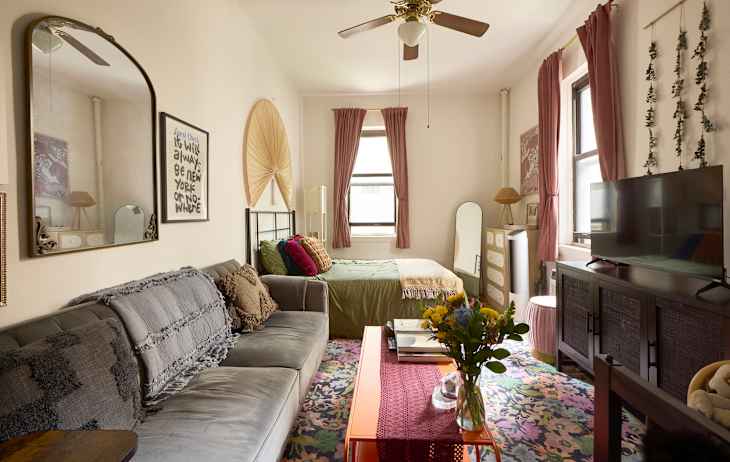
As someone who has ADHD, I can get easily distracted by visual clutter and overwhelmed by even the simplest tasks. Random items on the kitchen island that need a home, the pile of shoes by the front door that needs to be put away, or a DIY project I keep meaning to finish all cause added stress. But as a working professional organizer, I’ve learned that keeping a clutter-free home isn’t necessarily about finding better storage solutions or tidying up immediately. Really, it’s about having less to manage in the first place.
Since my diagnosis five years ago, I’ve become more intentional about what I keep — especially when it comes to things that create extra work or take up space without adding much value to my life. Below are eight things I’ve decluttered that have made maintaining my home — and living with ADHD — so much easier. (P.S.: You don’t need to have ADHD to benefit from letting them go!)
Hobby Supplies
I know this first one might sting. I’ve found that many people with ADHD tend to dive headfirst into new hobbies, activities, and crafts. And for me at least, more often than not, that enthusiasm fades quickly.
I had to be honest with myself about which projects I wanted to finish and which supplies I’d realistically use again. Then I finally donated materials for hobbies I no longer enjoy, which freed up precious storage space.
Books
Funnily enough, reading is one of my favorite longtime hobbies, although now I tend to favor audio versions. Sometimes, though, nothing beats holding a physical book in your hands.
But unless the book is life-changing and I think I’ll reference it again and again, I’ve learned it’s best to declutter books once I’m done reading to save space on my bookcase. I’ll either give the book to a friend, someone in my book club, or a local charity, and I always feel good about passing it on.
Decorative Items
I used to hold on to home decor simply if I got it for a good price — even if I didn’t have a place for it or it no longer fit my home (or I no longer even really liked it!).
The problem is that every extra item needs dusting and a place to live, which creates unnecessary tasks and decisions. I started keeping only the things I genuinely love and display, and I’ve donated the rest.
Clothes I Don’t Wear
Keeping clothes for a hypothetical future version of myself only makes getting dressed each morning unnecessarily overwhelming.
I decluttered dozens of items from my closet that didn’t fit, weren’t comfortable, or didn’t suit my current style or lifestyle. Having fewer options that I actually enjoy wearing makes getting ready every day easier and so much faster.
Free Swag
Every so often, I attend an event, whether it’s for a charity or a new local business, and I always come home with a plethora of freebies. Some things are genuinely helpful and usable — like a quality reusable tote bag or a nice water bottle — but a lot of it is just junk.
Just because something is free doesn’t mean you need to keep it, or even take it home in the first place! It’s okay to refuse promotional swag if you know it’ll just add clutter to your home, and you might consider giving away those items currently taking up space in your junk drawer.
Miscellaneous Cords and Electronics
Speaking of junk drawers, if yours is anything like mine it’s probably stuffed to capacity with a mish-mash of cords, cables, and chargers. And if they’re not in the junk drawer, then they’re stashed away somewhere else like in a bin or on a closet shelf.
Recently, I went through all of my electronic clutter, identified what I actually used or still needed to hang on to, and figured out how to safely recycle the rest. (Pro tip: Whenever you buy a new electronic, label the cords so you’re not playing a guessing game later.)
Expired Food
A crowded pantry, fridge, or freezer can make it harder to see what you have, which can lead to food waste and unnecessary grocery purchases.
I’ve gotten into the habit of going through these food storage spaces before my weekly shopping trip and tossing anything expired, spoiled, or that I know I’m not going to use. Just like with my closet, fewer options make meal planning and deciding what to eat feel less taxing, and that’s always a win for my ADHD brain.
Paperwork
Junk mail, old receipts, and bills that can be accessed online can quickly become doom piles when you have ADHD. I used to hold onto some of these things because I thought I might need them later, or because I didn’t get around to digitizing them. But that always meant the few important papers got lost in the growing piles.
So I committed to spending an hour or so per month decluttering my paperwork, recycling or shredding what I could and scanning the documents I needed to keep. I’ve also gotten into the habit of minimizing the paper clutter that comes into my home in the first place by choosing digital receipts and making sure I’m paperless for every account.