
Stop Holding Onto Paper Clutter — Here’s How to Organize and Declutter It
Apartment Therapy’s Decluttering Cure is a free two-week decluttering program that’ll help you achieve a tidier home. Sign up here and get all 14 assignments delivered to your inbox.
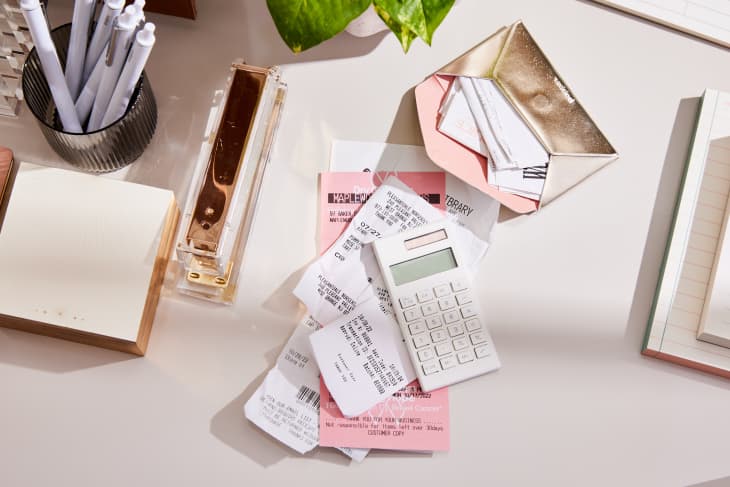
Paper clutter is often one of the hardest types of clutter to sift through because it’s a blend of practical items you hold onto “just in case” (like receipts, bills, and bank statements) and sentimental things that you might feel slightly guilty about getting rid of (such as birthday cards, photos, and ticket stubs). Plus, it’s often spread out in piles across your home (think: a junk drawer, the entryway, or a closet).
Getting rid of paper clutter can help cut down on visual clutter and make it easier to quickly find important documents when you need them. The best way to get paper clutter under control is by regularly decluttering and organizing it. Here’s how.
Day 6: Organize and Get Rid of Paper Clutter
Start by identifying all the places paper tends to pile up around your home. Then, decide if you’d like to tackle one area at a time (which we recommend!) or bring everything together in one massive pile.
As we go through this process, make sure to take breaks as you need them. To declutter and organize your paper clutter, we’ll be sorting everything into five main categories.
Trash and recycling
This includes used envelopes, inserts, ads, coupons, and junk mail — all of which can be easily recycled or thrown out.
For any items with sensitive information, use a shredder, scissors, or your hands to destroy the identifying details before discarding them. Recycle items where possible.
Short-term
Short-term items require action now or in the near future. That might include a bill that needs to be paid, while others need to be addressed in the near future, such as a form that needs to be signed or coupons to use before they expire. Other important short-term items include time-sensitive flyers, reminders, or notices, like letters notifying you of upcoming road work on your street or a parent-teacher conference for your child.
Consider stashing them in a tray, bin, or paper sorter near your workspace or entryway for easy access and visibility. Organize them by urgency, with the most pressing items first.
Long-term
Items that you need for your records that can be filed away. For instance, your tax return! These long-term items should be stored in a safe place, like a filing cabinet.
Remember, some long-term items should be discarded (and shredded if it has sensitive information), such as bills from over five years ago, to avoid piles from growing.
Leisure reading
Catalogs, magazines, and newsletters should be sorted and placed in an area where you like to read.
Maybe that’s a dedicated magazine holder by the sofa, in a basket in the bathroom, or placed directly on the coffee table.
Sentimental
For any sentimental items, please place them aside and don’t deal with them right now, as it can shift your focus. We’ll be going over sentimental clutter later on in the Decluttering Cure!
More Ways to Participate in the Decluttering Cure:
- Sign up for email updates.
- Visit the 2026 Decluttering Cure page and catch up on assignments.
- Download the Decluttering Cure calendar.
- Check off that you’ve completed this task and track your overall Decluttering Cure progress here!
- See all the winners from our 2026 Organization Awards to get your home organized.
The Cure Program is a tradition here at Apartment Therapy — it happens every January, April, and September. Click here to learn more about the year-round program and when to sign up.