
Bathtubs Are Being Moved Somewhere Totally Unexpected, and It’s Totally Over-the-Top
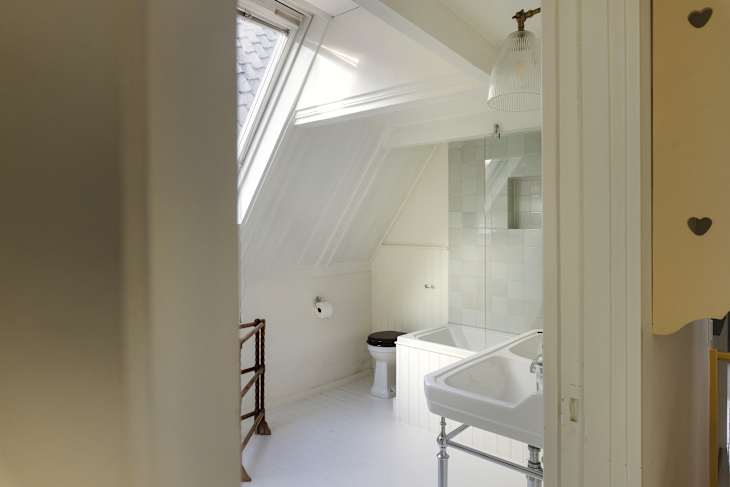
The modern bathtub is more than just a plumbing fixture — and according to many recent reports, buyers are moving away from traditional shower-tub combo with grouted tile or a sliding glass door in favor of spa-like wet rooms, where a shower or tub might not even share the same space. “I’ve walked into primary suites where a freestanding tub’s been placed under a dramatic skylight or in front of a floor-to-ceiling marble wall — just like you’d place artwork,” says Joe Ellul-Turner, a Malta-based real estate professional and founder of Darscover.
Instead of seeing tubs in every bathroom, real estate professionals are showing them in different spaces. Sometimes, it doesn’t even have to be in the bathroom at all.
Freestanding Tubs Are the Newest Architectural Statements
Even if bathtubs are “out,” families with kids and pets wouldn’t think of getting rid of every tub in the house, and the longstanding rule that you shouldn’t get rid of your only tub remains. Meanwhile, owners, sellers, and designers are getting more creative.
“Designers are pairing freestanding soaking tubs with organic materials — think marble slabs, lime-washed plaster walls, or warm wood accents — to create contrast and depth, says real estate agent Angie Nelden of Sotheby’s Realty. “Often, the simplicity of the tub’s form allows texture and tone to do the talking, evoking a spa-like serenity that buyers instantly respond to.”
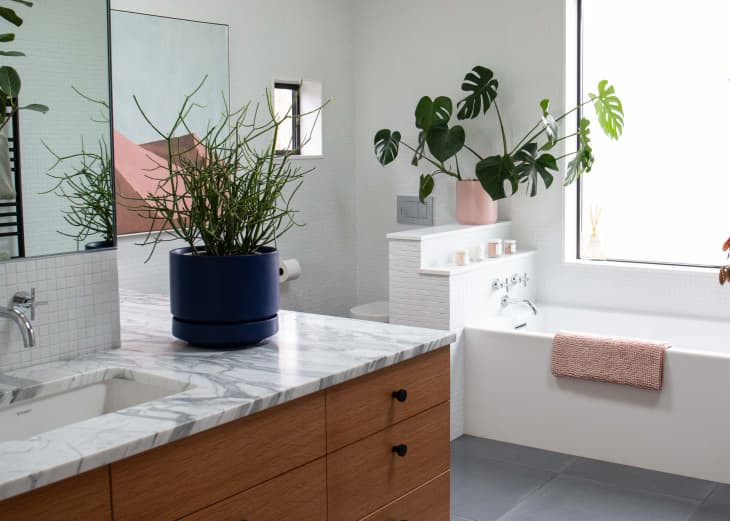
Tubs Are Moving Beyond the Bathroom
Forget about keeping a freestanding tub tucked behind a closed bathroom door. Agents report seeing these sculptural soaking tubs as focal points in bedrooms basking in sunlight in front of windows, under skylights, on balconies, and even showing up on backyard patios and in lush gardens — a popular spot for deep soaking Japanese “ofuru” tubs. It’s all about indulging in a spa-like bathing experience immersed in a natural environment.
“Over the past two years, we’ve intentionally pulled tubs out of the traditional bath footprint to create more experiential moments in the home. When clients want a sanctuary rather than a standard primary bath, we’ll float a sculptural tub in the suite itself, often positioned near a large window or French doors leading to a private courtyard or garden,” says Erica Davis, founder of Eralyn Interiors.
The deciding factor for tub placement is natural light, says New Jersey-based Compass real estate agent Natalya Price. “We’re placing tubs where they can be visually appreciated, most often centered under windows. The natural light frames the tub and immediately creates a sense of calm.”
Dramatic Tubs Get More Interest from Potential Buyers
“Listings that feature dramatic tubs, especially when framed by views or unique materials, perform noticeably better online,” Nelden explains. “They’re highly ‘screenshot-worthy,’ and buyers often reference those images when they tour in person.”
“During showings, it’s common to hear, ‘I could stay in here for hours,’ or ‘This looks like a spa retreat at home,’” adds Thomas O’Shaughnessy, real estate expert and vice president of Clever Offers.
“When strategically placed and beautifully framed, the tub sells the lifestyle as much as the home itself,” echoes Nelden.

These Tubs Are Not Just for Luxury Budgets Anymore
“While sculptural tubs originally appeared exclusively in luxury builds, we are now seeing them across a broader range of price points. Materials vary: metal or stone for high-end homes, acrylic for more modest builds, but the impact is consistent, and the presence of a freestanding tub signals thoughtful and elevated design, regardless of budget,” Price says.
O’Shaughnessy agrees. “Freestanding tubs trace their heritage from luxurious homes, but they’re not solely a feature of high-end properties anymore; in my market, midrange homes in the $450,000 to $600,000 price point are starting to feature these, particularly in master renovations designed to woo buyers.”
He notes that the return on investment can be substantial, and these “spa-worthy” bathing features can easily recoup much of the investment. Plus, your home won’t lose value because keeping at least one tub is more desirable to buyers.
New Buyers Are Adding Tubs Post-Closing
For many new homeowners, the tub installation happens after move-in, which is a great way to add a tub in the style you truly love — whether it’s sleek and modern design or a cozy clawfoot tub in a contemporary color with a patinized brass faucet that adds character.
“It’s common for new buyers to add freestanding tubs post-purchase when the original plan didn’t include one,” Davis says. That desire for a spa-like reset is often what inspires new homeowners to upgrade their space right away.