
The “Second Location” Rule Is a Designer’s Secret to Never Regretting New Furniture
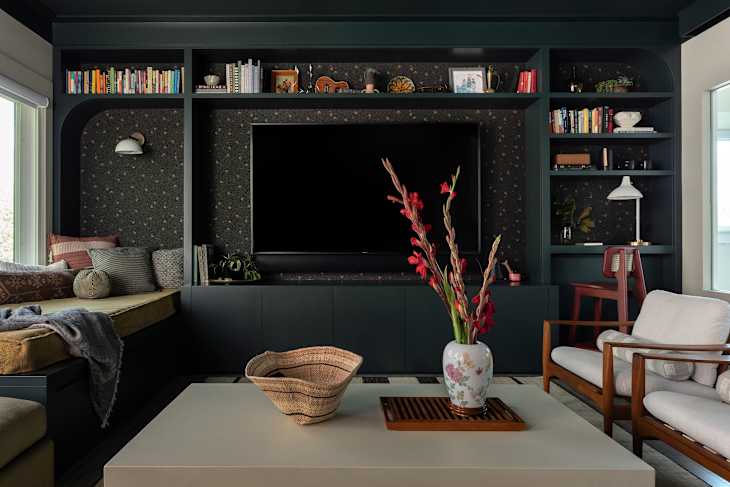
With so many choices and potentially so little square footage to fill, buying furniture for a home can be daunting. Some people prioritize price point, others factor in function, but designer Allison Smith of Gem & Clay Interiors considers versatility — or, as she calls it, the Second Location Rule.
For Smith, narrowing down the types of pieces she really loved became methodical after a string of moves. “There was a period of time when I moved several times, and I just started noticing the pieces that I loved and wanted to keep were the pieces that I could really fit multiple places,” the Florida-based designer explains. “I then started filtering all future decisions through that lens.” So what exactly is the Second Location Rule, and how can it actually help you furnish your space? Smith’s sharing everything you need to know about this ingenious way of choosing furniture.

What Is the Second Location Rule?
According to Smith, the best pieces of furniture generally work in multiple locations. For example, that side table in your living room might fit a small nook in your hallway or could act as a guest bedroom nightstand. Items that can work in several different setups make it possible to refresh your space down the line without spending a dime. And, in Smith’s experience, these things are often the pieces people gravitate toward most.
The designer loves to help her clients incorporate some of their existing furniture into their new spaces, but that requires knowing what to cut and what to keep. Smith says the “most versatile” items are most often the ones that make the cut. “With each new ‘home’ that we found for the piece, the deeper and more loved that piece became,” she says. “It sort of becomes this cycle: An item can be used in a new or different way, which then gives it a new life, which then increases the value to you as the owner.”

How to Use the Second Location Rule When Shopping
Whether you’re shopping new or vintage, before you add a new piece of furniture or decor to your home Smith says to ask yourself where this item can go. If you can picture it being used in more than one room, chances are it’s a sound investment. The designer recently splurged on a bookcase for her bathroom because she knew she could also use it in the living room, dining room, or study should her needs change. An item that didn’t pass the test? A vintage French wardrobe. “While it was a perfect fit for the closet-less bedroom I was going to put it in, it was so large that it would be difficult to reinvent it in another space,” she explains.
That said, you should never buy items solely because they pass the second location test. “If you don’t like the style of it, you’re never going to start liking it,” Smith says. While she gives you her blessing to purchase placeholder pieces for essential furniture like a dining room table or nightstand, she says waiting for the right piece usually pays off. “It’s better and less wasteful to go for that perfect fit,” the designer says. The good news? Once you do find a great chair, table, or lamp, you can use it again and again.