
I Sent a Budgeting Pro My Grocery Bill, and She Found Me Instant Savings (I Couldn’t Believe It!)
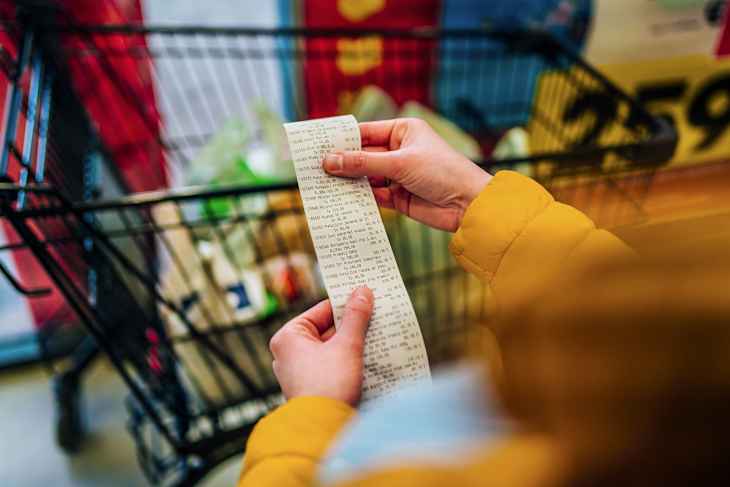
Feeding my family is a large and never-ending undertaking. There are seven of us and, as you can imagine, our grocery bill is pretty hefty, especially when you consider that my husband and I have two teens and two boys in competitive sports. (Honestly, just keeping our 14-year-old son fed is a full-time job!)
Lately, I’ve been taking a careful look at our monthly expenses and where and how we can shave down what we spend. It’s always been hard for me to consider how I can shrink our grocery budget because I don’t want to compromise on quality and nutrition and I’m also willing to pay for convenience, whether that’s using Instacart for grocery delivery or buying prewashed lettuce.
I get frustrated, though, because I routinely go over my target grocery budget of $1,600 a month. This amount is well under the USDA’s moderate monthly cost plan for a family of our size, but I’m shopping without putting much thought into how to save or what to save on, and I know I must be able to cut back somehow.
To get some expert insight, I reached out to Reyna Gobel, who is not only a personal finance expert, but also a nutrition educator and creator of the 30-Day Precision Challenge. I knew her input would offer me ways to save money on groceries without compromising the quality of nutrition I make available to my family. I sent her my most recent grocery receipts from Butcher Box, Trader Joe’s, and Costco. Here are her suggestions for how we could cut down our grocery bill.
Do a Fridge Challenge
I currently spend about 10% to 15% of my weekly grocery budget on produce, depending on whether I need to stock up on staples like onions. “The first thing I would recommend is a fridge challenge for produce,” Gobel says. “For the next month, only order produce online while standing in your kitchen looking at what you already have. Standing in front of the fridge, you are less likely to over-purchase items.” If you don’t do grocery delivery, try making your list for the grocery store while standing in front of your fridge instead.
If I got more strict about only buying produce while looking at what I still have, I believe I could cut down the amount I spend by about $40 a month. This is such practical advice that will prevent food waste and keep me from throwing away money.

Shop More Frequently
I currently shop once a week, but Gobel suggests shopping twice a week for produce. This extra grocery trip would help ensure that I use up what I have before buying more and buy only what we truly need to restock when it comes to perishable produce. “The average American throws out 25%-plus of what they buy,” she says. Gobel explains that people tend to overbuy because they assume that they can’t go to the store a second time in the week.
Erring on the side of underbuying not only prevents food waste, but encourages you to actually use up what you already have on hand. “Eliminating grocery waste may save you $100-plus without losing anything,” Gobel says. Of course, it’s not always possible to add a second trip into the week, but just knowing that it’s an option can help you not buy too much on your initial grocery run.

Use Instacart to Compare Prices
This is another simple tip that I never thought of trying, but Gobel points out that, when shopping online “you have access to multiple stores.” She suggests comparing prices on at least the five priciest items on your list. Since the minimum Instacart order is $35, you can split the orders up into more than one store if it saves money. You can even schedule them to be delivered around the same time, while you’re in put-away-groceries mode. Even if you’re not ordering groceries online, you can still use an app like Instacart to get a sense of the cost of different ingredients at various stores.
To test this out, I put “organic blueberries 18oz” in the search bar on Instacart. Comparing prices was even easier than I thought! The app brought up options at all the stores that deliver to me, and I was able to compare prices by simply scrolling. Costco’s price for 18 ounces is currently $6.59, while other stores charge up to $9.99 for the same amount. I usually purchase blueberries at Costco, and my search confirmed that this is in fact the cheapest place to buy them.

Use Your Freezer
Gobel suggests buying in bulk when items that you can freeze are on sale. This includes foods that are already frozen and ones that are fresh but freeze well, like frozen fruits and vegetables, which typically cost less than fresh and are far less at risk of going bad before you can use them. Simply brush up on the best ways to freeze fresh produce, and you’re in for months of nutritious meals and cheaper grocery bills.