
7 Italian Decor Trends American Designers Can’t Stop Stealing
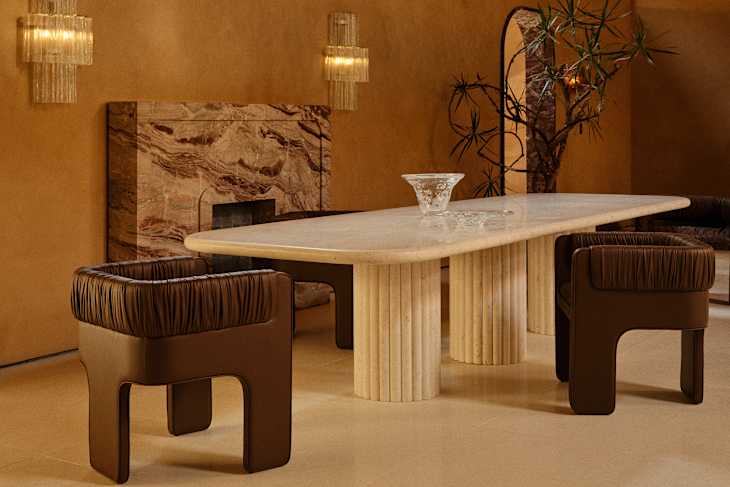
You don’t need to travel to the Tuscan countryside to recognize that Italian design has long influenced interiors around the world. Its impact on American homes alone has endured for decades, although Italy’s spell on us all feels especially strong lately. From warm stone surfaces to sculptural furniture to earthy color palettes, many of today’s most popular decor moves trace back to “the boot.”
For Jordan Mosslar, founder of design atelier FORM(LA), the appeal is simple: Italian interiors strike a rare juxtaposition between sophistication and ease.
“I’ve always been drawn to Italian design because it feels very intuitive,” Mosslar says. “There’s a real respect for materials and craftsmanship, but it never feels overly serious or rigid. Designers like Gio Ponti, Mangiarotti, and Carlo Scarpa had this beautiful way of balancing elegance with simplicity. Everything feels thoughtful and well-proportioned, but still relaxed and livable. That balance is something I find incredibly inspiring.”
Italian interiors tend to live comfortably between minimal and ornate — a perfect middle ground compared with other European styles (looking at you, France!).
“French interiors can be quite decorative, and Scandinavian spaces are often very minimal,” Mosslar explains. “Italian design sits somewhere in the middle and tends to feel a little more architectural. There’s usually a strong focus on form, proportion, and beautiful materials. Even in a simple room, a sculptural element often gives it presence without feeling loud.”
Want to channel that effortless Italian energy? Cin cin to that! Read on for seven Italian-style decor trends that designers like Mosslar recommend trying in your own home in 2026.

Travertine and Natural Stone
In Italian interiors, stone isn’t just reserved for architecture; it frequently shows up in furniture and decor as well. Imagine chunky travertine coffee tables, marble pedestal dining tables, limestone consoles, or even stone lamps and trays styled on open shelving.
“Stone is everywhere again, particularly travertine and warmer marbles,” Mosslar says. “It adds a sense of permanence and softness at the same time.”
Even a small accent featuring travertine (or another natural stone) can make a big impact. Try adding a marble side table within arm’s reach of a sofa, a stone tray on a coffee table, or a sculptural travertine lamp as ambient light in a bedroom.

Warm, Earthy Color Palettes
Cool, millennial gray has no place in Italian interiors. Instead, Italian-inspired colors pulled from natural landscapes — cream, terracotta, warm brown — are becoming increasingly popular in American homes. Think: clay-toned plaster walls, olive green kitchen cabinetry, or rust-colored linens.
“These colors feel natural and calming, which is something Italian interiors do very well,” Mosslar says. The result is a space that feels relaxed and grounded, not stark or overly styled.

Sculptural Furniture
Italian design has a long tradition of treating furniture like functional art, and today’s interiors closer to home here in the U.S. are also embracing pieces that feel architectural, with strong silhouettes and thoughtful proportions.
“Furniture that feels a little architectural or sculptural is becoming more common,” Mosslar explains. “Even simple pieces can feel special if the proportions and form are well-considered.”

Layers of Natural Textures
Italian interiors often lean into layered natural materials for a welcoming feel. Picture a living room with plaster walls, a linen slipcovered sofa, a leather lounge chair, a walnut coffee table, and a stone lamp — each material adds calm, cohesive visual interest without the need for lots of accessories in between.
“Stone, wood, linen, leather, and plaster all layered together create warmth without feeling cluttered,” Mosslar explains.

Relaxed Seating
In a culture that prioritizes long dinners, afternoon espresso breaks, and lingering conversations, comfort is key. That philosophy carries through to their furniture design and arrangements, with low-profile sectional sofas and deep lounge chairs that encourage people to sink in and stay awhile.
“Italian homes often feel quite relaxed and comfortable,” Mosslar says. “Sofas and chairs tend to sit slightly lower and invite you to really settle into the space.”

Statement Objects with Presence
Instead of filling rooms with dozens of small decorative pieces, Italian interiors often feature just a few objects that command attention. That might mean a striking lamp, a sculptural vase, or a bold chair — items that act as focal points, anchoring the entire room. Mosslar and other designers deliberately hunt for those key pieces when they’re emulating Italian vibes.

Honest Materials
One aspect Mosslar has always admired about Italian design? The honesty of materials — using them in their natural state.
“Stone looks like stone; wood looks like wood,” he says. “There’s very little interest in artificial finishes, which is something I personally appreciate in my own work.”
Instead of using painted wood made to mimic marble or laminate designed to resemble stone, Italians celebrate the real thing: solid oak dining tables, marble countertops, plaster walls, and leather seating. Appreciating materials in their natural state helps create interiors that feel timeless, not trend-driven.

The Easiest Way to Get the Italian Look at Home
Put down the hammer. Forget about excess decor items, too. You don’t need a full renovation to bring Italian-inspired design into your home, regardless of where you are in your decorating process.
“I would start with natural materials,” Mosslar advises. “Even something simple like a marble side table, a stone tray, or a warm wood chair can change the feeling of a space. Italians tend to let the materials speak for themselves rather than overdecorate.”
When in doubt, keep things simple. Prioritize beautiful materials in sculptural shapes, and comfortable furniture worthy of kicking your feet up on. That effortless balance is what makes Italian interiors so enduring.
Design Defined
Never miss the style inspo and recommendations you crave with Design Defined. Follow along each week as our Home Director Danielle shares the best style advice, latest trends, and popular decor finds you just can't miss.