
“Lazy Moving” Is the Secret to Relieving So Much Stress (You Can Do It From Your Couch!)

Moving is exhausting — from downsizing your stuff and packing boxes to trying to get settled in your new place, it’s easy to burn out quickly. The good news is, some of the most crucial moving tasks don’t require you to even get up off your couch. These low-effort logistics, aka “lazy moving” methods, give you a well-deserved break from the heavy lifting while still checking off big to-dos on your list.
To help you make the most of your “lazy moving” session, I asked real estate and moving professionals which tasks are essential to a smooth move. It turns out some of the most important checklist items are also the ones that you only need a WiFi connection and a cell signal to get done. So, charge up your laptop and phone and get ready to make major moving progress — all while chilling on your couch.

Plan for Moving Day
Moving day itself will likely require a lot of physical effort, but you can get an organized jump start on the day with these easy preparations.
Create digital packing, donate, and to-do lists.
Maggie Ding, a real estate agent at Compass in Southern California, says to create moving checklists to keep yourself as organized as possible. You can use your computer or a home inventory app to keep track of everything you’re moving. To make this task manageable, break it up into a few lists.
- A to-do list of what you need to get done before you move (spoiler: You can knock out quite a few of them during a “lazy moving” day).
- An inventory of what you need to move, labeled by rooms in your new place (e.g., kitchen, specific bathrooms, specific bedrooms, etc.).
- A list of what to do with items you won’t take with you. “Write out what large items need to be sold, donated, or trashed,” Ding says.
- An inventory of packing materials. “Writ[e] down all the packing items you’ll need to make this move happen,” such as packing tape, scissors, permanent markers, boxes (and which types of boxes), and other supplies.
- What you need for a first night box in your new place. Korovchenko recommends including your “toothbrush, phone charger, clothes, and meds.” You’ll also want toothpaste, a washcloth and towel, and soap. Basically whatever you need to sleep well and anything you might need right away in the morning, put it all in that box.
Schedule and keep track of moving services.
Booking movers can seem like the biggest hurdle, so once you’ve got that settled, you might forget about things like a deep-clean of your old place (and your new place if that’s on your list). According to Ding, write out all the vendors you’ll need to have scheduled for your move, including movers, cleaning services, organizers, and quicker appointments like a mattress pickup if you’re not taking it with you.
“This process includes casual browsing on Yelp or Google to research the vendor names and their reviews,” Ding says. “Call for pricing bids, if necessary!” After making a list, keep track of appointments in your calendar.
Reserve parking and building needs for moving day.
“If you’re moving into [or out of] a building, call the property manager early,” says Anton Korovchenko, CEO of John Frank Moving Company. You should ask the manager if there’s anything you need to reserve ahead of time. He adds that many buildings require these formal notices for booking an elevator, a parking space, or a spot in a loading dock. “We’ve even had customers get stopped at the door by a front desk manager because they didn’t book the elevator,” Korovchenko explains.
If your building requires you to reserve anything, call early to make sure you can get it for your desired moving day. If you’re using street parking, check local requirements for reserving a space with “no parking” signs or something similar.
Take Care of Logistics
It’s easy to overlook the things you might take for granted in your current home, like internet access, receiving deliveries, and parking without any issues.
Update your address — everywhere.
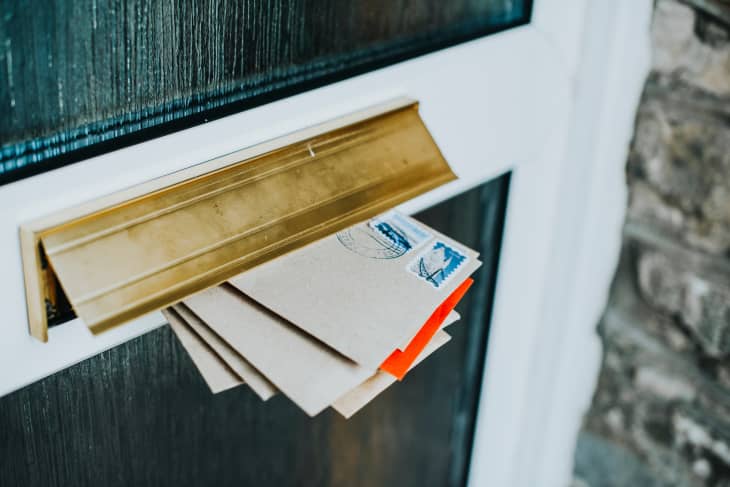
Whether you’re moving to a new state or just a few blocks away, you need to forward your mail with USPS, which you can do quickly online.
Moving in the age of the internet means that your address is probably in a lot of places online. Anton Korovchenko, CEO of John Frank Moving Company, says to keep a master list of everywhere you need to change your address. “Start with the essentials,” Korovchenko suggests. That includes updating your address online for your bank, your credit cards, your healthcare providers, your insurance, and your employer.
You also want your friends and family to know where you’re headed, especially if you’re not planning a housewarming party soon. Send digital moving announcements or text or email your contacts to share your new address.
Finally, “hit the convenience stuff — Amazon, DoorDash, Netflix, gym memberships,” Korovchenko says. Andrea Saturno-Sanjana, licensed associate real estate broker with Coldwell Banker Warburg, says it’s also important to update your address “for any kind of delivery services that you have” — like online retailers and grocery services.
Transfer your cable and internet.
Don’t wait until moving day to think about your WiFi. Call to schedule the appointment for your move-in date, or soon afterward. Logan Abbott, president of Wirefly.com, an online comparison engine that helps people save money on services and utilities, previously told Apartment Therapy it’s best to make a plan for your internet and cable about three weeks before your moving date.
Giving yourself enough time before you move also allows you to make a plan to switch providers if you need to. Saturno-Sanjana recommends using your move to your advantage. “You’re in a stronger position [as a] new customer. Get [companies] to compete for your business,” she says. “You’ll often be able to negotiate a good package.”
Get your other utilities in order.
Transferring your electric, gas, and other services is usually as easy as making a few phone calls or registering online. Korovchenko advises that you start on these tasks “at least two weeks before the move,” and make sure you contact your old and new providers. “[It’s important to] set firm shut-off and start dates.”
If you’re moving somewhere you’re responsible for trash, recycling, water, or other services, check what you need to do for that by contacting your HOA or researching local requirements if you don’t have an HOA.
Research your new parking requirements.
If you’re moving to an apartment, condo, co-op, or townhome, you might have specific parking rules. “In urban areas in particular, but it could be in suburban areas as well, street parking is a special zone for residents,” Saturno-Sanjana says. “I’m talking about a public street where they say you get unlimited parking, but you must have a special sticker.”
You can often apply for your parking permit online (and sometimes guest parking stickers, if required) through your city’s website, parking authority, or homeowners’ association. If you’re moving to a new state, Saturno-Sanjana also recommends checking local laws about changing your license plate or registration to help you avoid costly fines.
Transfer cleaning, maintenance, and support services.
Make sure whatever services you use in your current home are available in your new place. This includes dog walking, petsitting, babysitting, house cleaning, lawn care, etc. If you’re not moving too far, contact your current providers to check if their services are available where you’re moving. If you need to update any services, Saturno-Sanjana suggests searching for local recommendations in your new neighborhood — you could also ask your real estate or leasing agent for a tip in the right direction.
Update or get homeowner’s or renter’s insurance.
If you’re a renter and continuing to rent, call your insurance company to let them know when you’re moving. Make sure your policy is transferable and review your updated premium. Get this started at least two weeks before you plan to move.
If you’re going to own your new place, you need to buy a homeowner’s policy. Talk with your insurance company to find the best plan for you. In addition to insurance, Saturno-Sanjana says homeowners may want to look into home warranties for things like your HVAC, plumbing, or electrical. Warranties may also apply to things like pest control services, she notes.

Make Your New Place Feel Like Home
Before you even get to your new address, you can use the internet to your advantage and answer some of the most important questions you have. This is especially useful if you didn’t get to explore your new neighborhood as much as you would’ve liked.
Locate community resources.
Saturno-Sanjana says real estate agents may provide you with a quick list of community resources, which may include everything from WiFi providers to which schools and public buildings are nearby.
You can also find these resources by checking out your city’s website or Googling for info. Look for the necessities, such as local pharmacies, hospitals, doctor’s offices, grocery stores, libraries, and police stations, and make a quick list to refer back to to make your transition smoother.
Snoop out your new go-to spots.
You’re making a new home for yourself, which means you may also find a new routine. Search Google, Yelp, or local community pages to find nearby gyms, coffee shops, parks, restaurants, thrift stores, and local businesses. You may also want to check out community centers (for local events or classes), clubs, and recreational areas like hiking trails. Categorize your list and save phone numbers, websites, and social media links to quickly refer back to. You’ll be glad you scouted out a few possible mainstays ahead of time when it comes time for your first Saturday morning coffee run.
Route your new commute and research local transit.
You can find your new route to work (if you commute) and research local transit using online maps and your new area’s transit authority website. Korovchenko also recommends using apps like the Transit app or Citymapper to check for delays and alternative routes. “You can also look at bike paths or carpooling options, depending on the area,” he adds.
If you’ll be driving to work, Korovchenko recommends “testing it in real time, during the actual hours you’d be driving” by using apps like Google Maps or Waze to see real-time traffic, alternate routes, and your would-be ETA.
Join local groups to meet your new neighbors.
By joining city groups online, you can connect with your community before you officially move in. “Join online groups like local Facebook pages or Nextdoor,” Korovchenko says. “It’s a great way to settle in quickly and get to know what’s going on around you.”
Saturno-Sanjana adds that some communities have threads you can join on WhatsApp. To start your search, try searching for your city’s Facebook page or register on Nextdoor. You can connect with people nearby and see news about local businesses and upcoming community events. You can also ask for recommendations for services you’ll need, like finding a new salon or a reliable plumber.
Check out the The New Mover to discover the latest tips and most innovative hacks to make your next move the smoothest one yet. This content was presented by a sponsor; it was created independently by our editorial team.