
My Mexican Family Taught Me About Sobremesa, and It Changed My Life
Imagine this: You’re at a dinner party — the plates are empty, and conversation starts dying. Suddenly a palpable shift hits the room and, right on cue, the host starts cleaning up. At best, guests offer to help or usher into a separate living area. Meanwhile, as the host, you’re left feeling entirely out of your own party as you clean. Worst-case scenario, and unfortunately the most common, everyone politely says their goodbyes and leaves. As someone who grew up in a Mexican household, this song and dance always seemed strange (and even cold) to me.
In Mexico, food is merely a prelude to the evening. The true connection happens in the hours that follow. Nobody moves after the final bite, not to clean or leave the table. There’s no rushing out the door — everyone stays, and the laughter and conversation grow louder. This beautiful cultural ritual is called sobremesa, and it can be your new summer hosting tradition.
What Is Sobremesa?
Literally translating to “over the table,” sobremesa is the Mexican tradition of lingering at the dining table long after the last bite has vanished (often for hours). With roots in Spain, the cultural practice is prominent in other countries in Latin America. The table isn’t a place strictly for eating and fueling up, but a sacred space for community, leisure, and connection. While it’s true that post-meal chatter happens everywhere in the world, sobremesa differs in that it’s an intentional choice to slow down and connect with others. Rushing out the door after you’ve finished your meal is viewed as a lack of warmth in Mexico, signaling that you cared more about the food than the company.
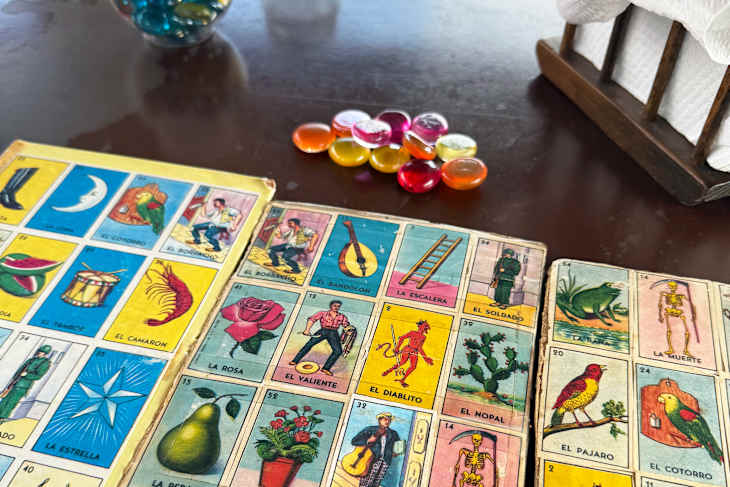
As the meal transitions into sobremesa, café de olla and pan dulce are brought out. But it’s not just spiced coffee and sweet pastries that are served during this slow, unhurried wind-down. Often it’s rounds of drinks and, as the hours pass, more food, bites, and snacks. When hanging out or hosting others, my family sometimes adds lotería (a traditional Mexican board game similar to American bingo) into the mix. Although it might look a bit different in every home, the magic of sobremesa remains the same for everyone — it forces you to be present in the moment, honors the people around you, and transforms a meal into a true shared experience.

How to Bring the Sobremesa Tradition into Your Home This Summer
Here’s how to seamlessly incorporate sobremesa into your summer hosting.
Don’t clean until after guests leave.
You must first ban yourself from immediate cleanup after the main meal ends. Clear the plates from the table, but leave them at the sink. Don’t touch them or do any cleaning until after every guest has walked out the door, or even until the next morning. Napkins, glassware, and a little clutter at the table is OK. It creates an intimate, casual atmosphere that makes people feel comfortable enough to kick off their shoes and stay put.
Serve drinks and light bites.
Keeping people anchored at the table is as easy as keeping the drinks flowing. But don’t stop at wine or cocktails. Offer your guests coffee, iced tea, lemonade, or a cold brew. Set down light bites and small snacks that are easy to graze over, like fresh fruit, candied nuts, charcuterie meats, cheeses, and dips. If you want to honor Mexican tradition, make a trip beforehand to your local panadería (bakery). Lost on what to pick up? You can never go wrong with baked goods like conchas, marranitos, and cuernitos.
Stay present.
Most importantly, put away your phone and encourage your guests to do the same. Stop checking the clock. Stay rooted in the moment. Allow the conversation to drift naturally from life updates and deep musings to friendly debates and silly stories. Appreciate this meaningful time with people you hold near and dear.
Sobremesa Will Be Your New Summer Tradition
This summer, don’t worry about a spotless kitchen or constantly playing coordinator. Just sit down, pour another drink, and let the conversation linger over the table. Your job isn’t to be a perfect host, but rather, a present one. The dishes will get washed eventually — even if that means tomorrow. Sure, you might get to bed later than you’d like, but the laughter and connection will be more than worth it.