
6 Overdone Home Trends Interior Designers Are Ready to Retire
It’s wild to think about, but 2026 is almost over — and while many designers are already looking to the future of interior design trends, I’m personally thinking about what pros are choosing to leave behind. Design trends naturally ebb and flow (and even come back from the dead!), and while there’s nothing wrong with loving a look that’s been popular for years, there’s a clear consensus among design pros that a few trends shouldn’t survive in 2027. Whether its certain colors, prints, or entire decorating styles, certain details can feel overdone: Even beloved aesthetics (cottagecore, anyone?) can lose some of their freshness after years of dominating homes, Pinterest boards, and Instagram feeds.
To get a better sense of what’s beginning to feel tired, I spoke with a panel of 8 interior designers from across the country and asked them which home trends they believe have officially run their course. Together, they pointed to six details that have become particularly trite or overexposed at this point in the year. Think of this list less as a set of design rules and more as a snapshot of where the professionals see the industry heading next. And if you happen to love something on this list? By all means, keep it. Your home should reflect your personal style, not a trend cycle, after all. And you know what design lovers often say: Everything old is new again.

All-Beige Everything
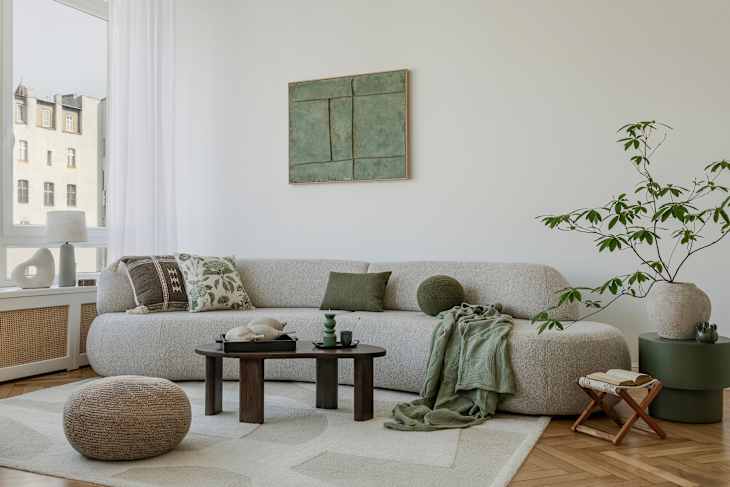
An all-beige monochromatic look can be beautiful, but it’s not always the most soulful way to decorate a space. That’s why designer Charli Hendler, the founder of August Black Interior Design, has decided it’s time to give beige a rest in favor of more saturated colors. She’s instead “gravitating toward muted yet richly pigmented tones, layered textures, and striking contrasts,” which are all things that can be achieved by embracing a rainbow of shades. “While an all-beige palette can be beautiful, I’m much more drawn to the warmth and depth that comes from a layered approach of mixing tones and creating visual distinction,” she adds.
Designer Parul Ghei, the founder of Studio Jai, is urging her clients to break up with beige, too. “It can feel flat and soulless when everything blends together,” Ghei says, adding that she’s happy to see more of a mix of “layered neutrals with richer textures, deeper woods, and even moody accent colors.” Building a palette of saturated shades doesn’t have to feel overpowering, though. Make it a point to curate an earthy mix that feels grounded in nature. “It still feels calm but with more depth and character,” says Ghei.

Floral on Floral
Florals have covered countless sofas, chairs, walls, and pillows over the past few years. Designer Kristina Phillips, though, is ready to see these patterns used in more measured doses in 2027 and beyond. “Floral-on-floral-on-floral — a hallmark of the grandmillennial look — is starting to lose its luster,” she says. “Rooms saturated with competing patterns can feel more chaotic than charming.”
Print mixing isn’t going anywhere; the key is just to tone it down a bit. “What’s next?” says Phillips. “Airier, crisper interiors where color and pattern still play a starring role but with a lighter, more thoughtful hand.”
Farmhouse Vibes
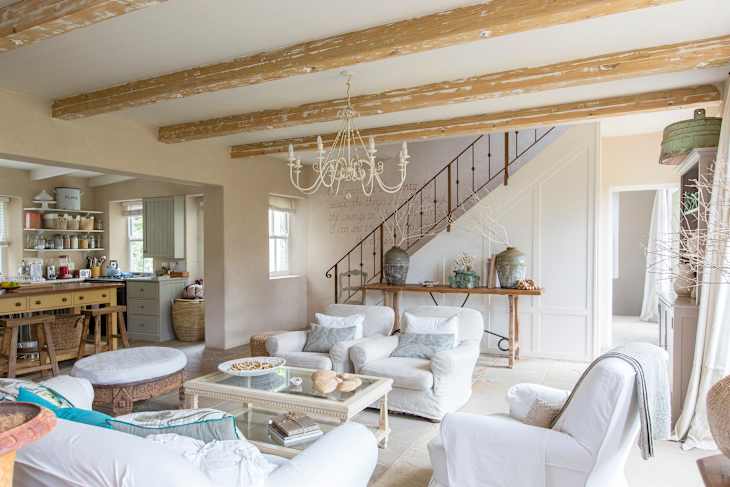
Designer Elaine Burns, the founder of Pistachio Designs, is moving away from what she calls “the cookie-cutter farmhouse aesthetic” in her work. By that, she means things like faux exposed beams, burlap, barn doors, and super-distressed finishes. “It still is very much in the zeitgeist, but for my clients that crave that sort of cozy, lived-in look, I’ve been trying to steer them towards more unique vintage pieces with history and character,” says Burns. “It definitely makes the design process and rooms feel more special!”
Consider this your excuse to fire up Facebook Marketplace to continue browsing for all kinds of secondhand goodies. They’ll only make your space feel more special in the long run.

Bouclé to the Max
Remember when bouclé took the design world by storm? It popped up on sofas, chairs, pillows, and even beds. Well, this market saturation is starting to shift a bit, and other cozy fabrics are gaining traction. Designer Ariene Bethea, the founder of Dressing Rooms Interiors Studio and one of Apartment Therapy’s 2026 New/Next Designers, couldn’t be happier, as she was “never a fan” of bouclé fabric to begin with and is ready to phase it out for good. “While it had its moment, it often felt more like a passing fad than a timeless texture,” says Bethea. “I think it’s time to move on from it and let other materials and finishes have their spotlight.”
If you still love this nubby texture, that’s OK. Just maybe don’t pair a bouclé chair with a bouclé pillow. As Bethea notes, plenty of other tactile options exist, and it’s far more fun to mix different fabrics.

Matte Black Finishes
Matte black has been blacklisted for hardware in 2026, at least as far as designer Emma Thayer is concerned. “I think it’s on the path to being a phased-out trend,” she says. “Its boldness has been a go-to for designers and homeowners who love a high-contrast look, but as tastes shift toward more layered and textured spaces, its stark simplicity can fall flat.”
Wondering what to pick instead? “Other materials like blackened steel or bronze can offer the same dramatic visual weight as matte black but with a character and depth that create a more unique and interesting kitchen,” Thayer explains.

Default Design Choices
Designer Rebecca Ward has noticed people are ready to say goodbye to standard, builder-grade choices throughout the home — and she’s fully on board with this shift. “We’re moving away from default choices like stark white ceilings and overly repeated waterfall edges on islands,” says Ward. “Clients today want spaces that feel more personal and inviting, so we’re introducing warmer ceiling tones and exploring softer or more unique island details through cabinetry to keep designs fresh and timeless.”
Designer Jennifer Carter, the founder of Studio Envie, agrees, noting that she’s witnessed a similar change. “These days, we’re helping our clients see the true benefits of making bolder decisions, which are tailored toward their lifestyle and aesthetic preferences,” Carter says. Carter and many of her design pro peers believe the days of designing homes solely for resale value are over. “This leads to a more personalized home, fit for each client, and the bonus is more interesting and unique designs,” she adds.