
The “Peekaboo Paint Theory” Is the Sneaky Way Designers Add Color to Every Room
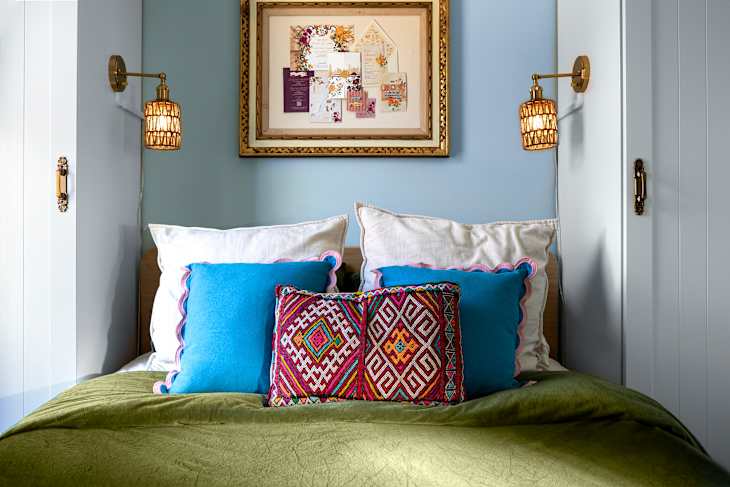
Every colorful interior doesn’t rely on color drenching or a floor-to-ceiling paint job. Some of the most interesting rooms barely use a pint of paint! That’s because designers are leaning into what some are calling the “Peekaboo Paint Theory.” This method involves adding small, unexpected hits of color in spots you only notice for a moment (think: the inside of a closet, the back of a bookshelf, or even the slim edge of a door frame that flashes color when it swings open).
The Peekaboo Paint Theory is a simple, relatively inexpensive decorating move, but it has surprising impact. Instead of committing to a bold wall color, these smaller painted touches add a sense of discovery that makes a space feel more layered and personal. The effect is subtle but memorable. It’s the kind of detail you might not notice right away, but once you do, it shifts how the whole room lands for you visually. Sounds doable, right? Here’s everything you need to know about this fairly low-lift decorating technique that packs a lot of punch.
Why the Peekaboo Paint Theory Is a Designer Favorite
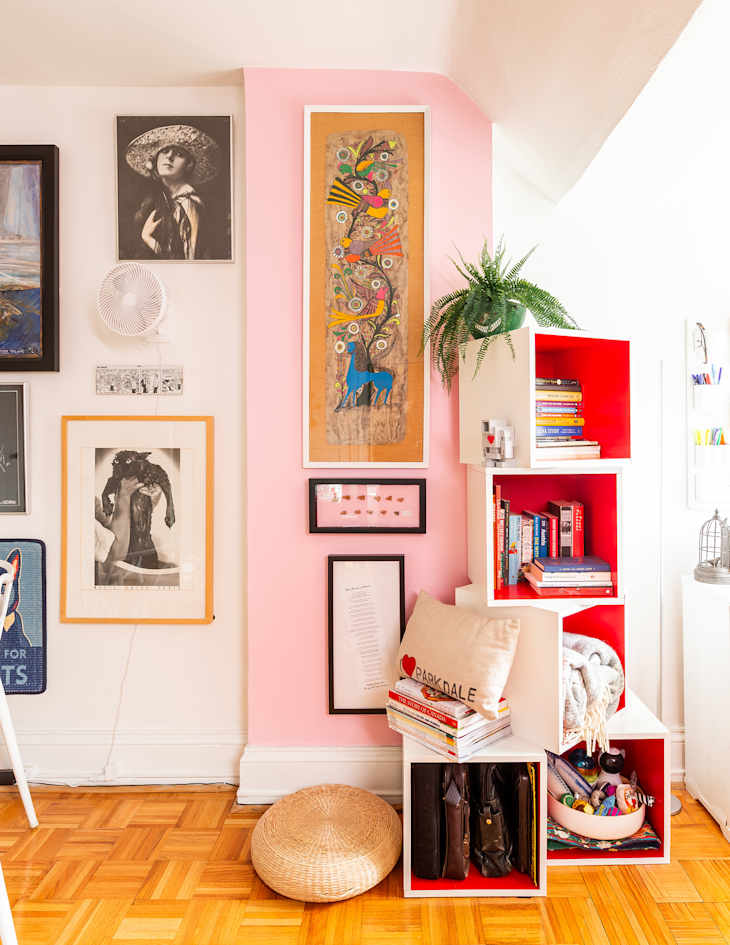
For interior designer Isabel Ladd, this kind of painted detail transcends trends and has become a foundation of her design. “I’ve always done this — adding magic moments of ‘Easter eggs’ is a characteristic of my work,” she says. That idea of a magic moment is really what sets this approach apart. Color isn’t all-encompassing or overwhelming; instead, it appears in flashes, which makes it feel less predictable but more personal. It’s about creating a space with a secret that’s out in the open that you’ll discover with time.
There’s also a practical side of peekaboo painting. Smaller applications of color are cheaper and easier to execute as well as change if you tire of them or don’t like the way something turned out. This makes them a smart entry point for anyone who’s a color commitment-phobe. Designers often use these moments to test out bolder shades or introduce contrast without overwhelming a space. It’s a way to experiment while still keeping an overall palette grounded.
Where Does the Peekaboo Paint Theory Works Best?
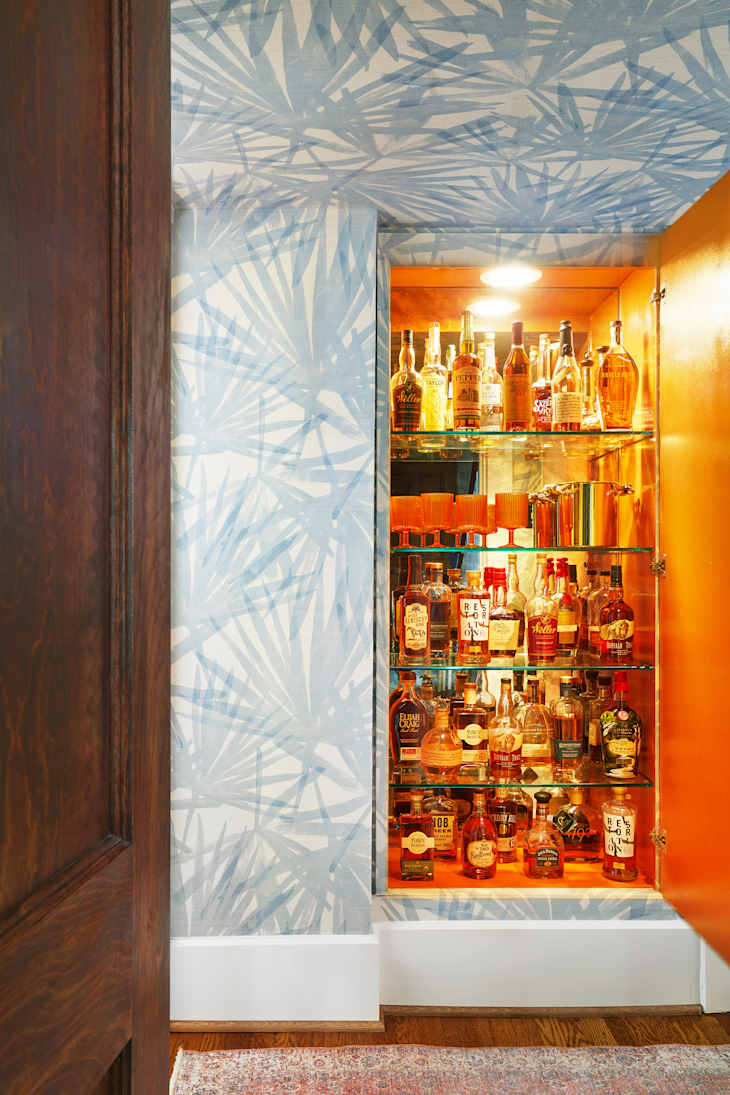
The best peekaboo placements are often the ones you don’t think about first or see plainly. For example, Ladd suggests the inside of cabinets and closets. In her recent project shown just above, she painted the interior of a hidden bourbon bar a rich orange, a move that was both aesthetically practical and visually striking. “The orange enhances the orange and brown hues of the bourbons,” Ladd says of this paint application. “It’s also a stark contrast against the blue exterior, making it all the more special and unexpected.”
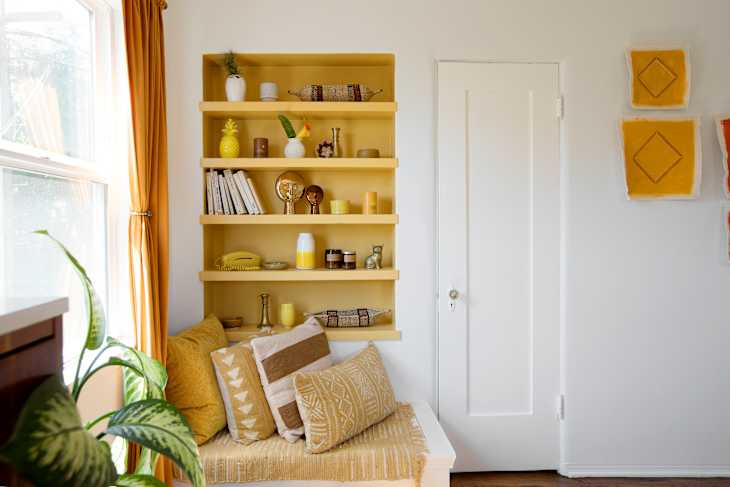
Bookshelves, drawer inserts, and door edges work just as well for pops of paint. Contrast shelf backs can add depth to open shelving, which makes everyday objects stand out, while color inside a drawer or cabinet can highlight a unique collection or simply just make you smile when you open it.
Designers are also getting creative with spots like the inside of a front door, window trim, the underside of a staircase, or even the ceiling of a small alcove. You don’t always register these spots right away when you walk into a room, which is exactly why they work for this element of surprise.
How to Make the Peekaboo Paint Theory Work at Home
If you want to try this idea yourself, start small by picking your moment. “If you’re reserved about color, this is your opportunity to experiment with bold, expressive color,” Ladd says. “If you’re already into color, it’ll just reassure you of the emotional connection between color and your world.”
The inside of a cabinet or the back of a shelf is an easy place to begin, and because these areas are partially hidden, you can be a little bolder than you might be on a full wall. The Peekaboo Paint Theory is a relatively low-commitment way to experiment — and one that can be updated or adapted just as easily over time, as your tastes or color preferences might change.
Design Defined
Never miss the style inspo and recommendations you crave with Design Defined. Follow along each week as our Home Director Danielle shares the best style advice, latest trends, and popular decor finds you just can't miss.