
6 Smart Storage Tricks That Experts Say You Should Do to Reduce Allergens
Spring might signal a fresh start, but it also brings sneezing fits, itchy eyes, and a steady layer of dust and pollen that seems to settle everywhere. While it’s easy to assume managing allergens is all about cleaning more often, professional organizers say your storage habits play a major role, too. To find out how to set up a home that naturally reduces dust, dander, and pollen buildup, I asked experts to share their smartest, most practical tips.
Create a shoe storage zone near the entrance.
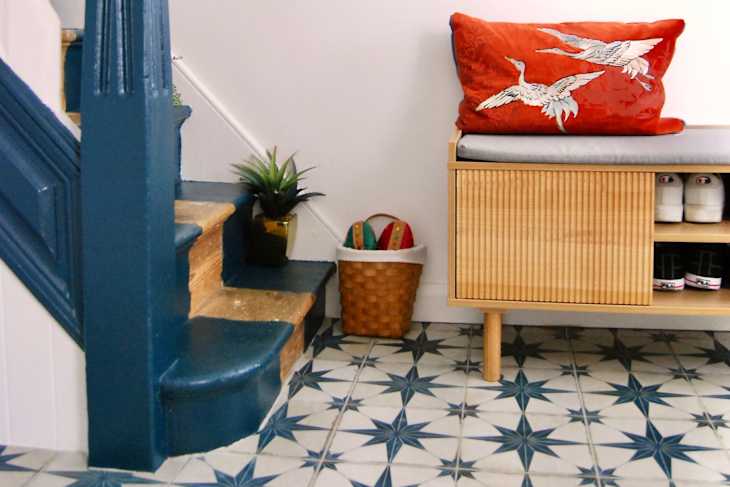
One of the easiest ways to reduce allergens indoors is to stop them at the door. Yusuf Mehmetoglu, cofounder and CEO of Maid Bright, recommends using a simple boot tray or shoe organizer “When you leave your shoes at the door, you’re literally stopping allergens from being tracked through your entire home. It’s such an easy hack, but it makes a massive difference.” A designated drop zone — whether it’s a tray, rack, or closed cabinet — helps contain dirt, pollen, and debris before they spread throughout your space.
Keep your entryway clear (including the doormat).
Your entryway setup can either help or hinder your efforts to control allergens. Maria Gatea, home trends research lead at StorageCafe, notes that doormats can trap allergens if they’re not cleaned frequently. “Tile or hardwood flooring is much easier to wipe down daily, preventing allergens from settling and building up,” she says. Keeping the area minimal — with fewer textiles and decor — makes it easier to clean regularly and prevents buildup.
Limit open shelving.
Open shelving may look beautiful, but it can quietly collect dust. Marta Pawlik, cofounder and director of Laik, which offers holiday home bookings in the Lakes District in England, recommends reducing open storage wherever possible. Closed cabinets and lidded containers help shield items from airborne allergens and reduce the number of surfaces that need constant cleaning. This is especially helpful in high-use areas like living rooms and bedrooms, where dust tends to accumulate quickly.
Use vacuum-sealed bags for seasonal items.
Storing offseason bedding and clothing without protection can allow dust, moisture, and allergens to build up over time. “Vacuum-sealed bags take up less space than the unsealed item would,” says Marisol Rivera, cleaning expert and professional organizer at Sparkly Maid Austin. Vacuum sealed bags also help protect items from dust and moisture. “Before sealing the items, wash them in hot water to kill any existing mites,” Rivera says. Sealing these items ensures they stay clean while in storage — and prevents allergens from being released when you take them out again.
Keep pet supplies out of bedrooms.
Pet dander is a common allergen, and where you store pet-related items matters. Experts recommend keeping pet beds, toys, grooming tools, and food out of bedrooms to create a cleaner sleeping environment. Containing these items to designated areas can help limit how far dander spreads.
Kim Listorti, co-owner and founder of Cyclone Professional Cleaners, also suggests keeping “grooming tools easily accessible so you’re actually using them regularly. Set up a little station near the door with towels or wipes, so cleaning your dog’s paws when they come inside becomes automatic.”
Choose sealed, easy-to-clean storage containers.
The materials you use for storage can impact how much dust your home collects. Mike Steiner, owner and lead designer of Bethesda Custom Closets, recommends opting for sealed containers with smooth surfaces. Unlike fabric bins or woven baskets, these don’t trap dust and are much easier to wipe clean. Lidded containers also create a barrier that helps keep allergens out in the first place.
Reducing allergens at home isn’t just about cleaning more, it’s also about organizing your space in a way that prevents buildup from happening at all. By making a few strategic storage swaps, you can limit how much dust, pollen, and dander accumulate in your home and make everyday cleaning faster and more effective.