
The #1 Design Mistake Ruining Your “Quiet Luxury” Vibe, According to Designers
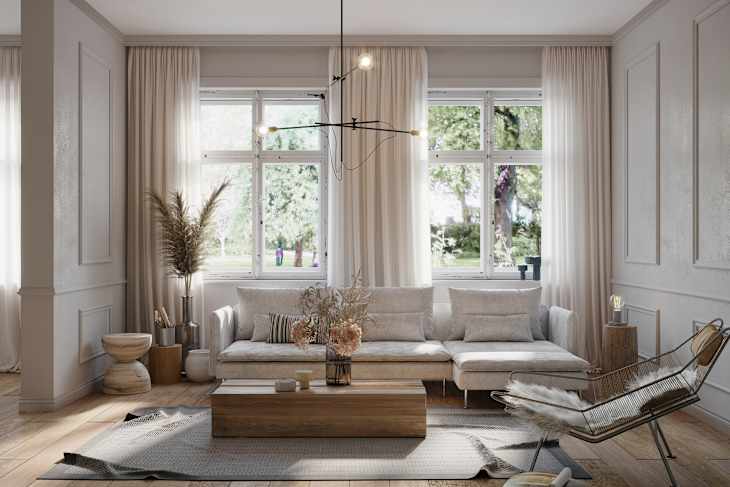
“Quiet luxury” is one of the most popular design trends of the last few years — and it’s arguably also one of the most difficult to replicate. That’s because it’s an elevated, expensive-looking aesthetic that emphasizes timeless, high-quality pieces, which typically aren’t cheap (think: soft neutral colors, natural materials, sculptural silhouettes, and the kind of effortless elegance that feels both timeless and lived-in). It’s a subtle, “if you know, you know” kind of luxury.
The appeal of this aesthetic is easy to understand. A calm, tonal atmosphere makes your home feel relaxing and polished. But the line between sophisticated and sterile can be surprisingly thin. So I spoke to the experts to find out exactly what to do — and more importantly, what not to do — to get the quiet luxury look, and their answer was shockingly simple. According to designers, the most common mistake keeping people from achieving the look is thinking that large is synonymous with luxurious.
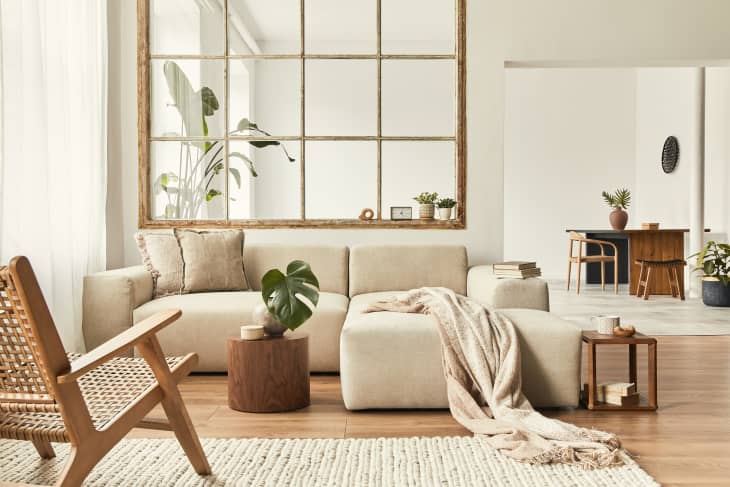
Don’t Mistake Large for Luxe
You know the phrase, “go big or go home”? Well, when you’re going for the quiet luxury look, forget it. Bigger doesn’t always mean better. Designers say that the most common mistake people make in trying to make their home feel luxurious is buying too large or ridiculously oversized furniture. “People often think that more is more, or that larger or more expensive [pieces] are the way to go,” says Noel Gatts, a designer and HGTV personality. But those oversized, expensive pieces are often too “loud,” says Gatts, and can be out of proportion for the average home. These items certainly can make a statement, but statement-making isn’t the goal when it comes to quiet luxury.
Instead, the secret to the quiet luxury look lies in the “quiet” part — smaller, personal details that can make a space feel like you. “Luxury isn’t about owning a big Italian sofa or huge marble dining table,” says Massimo Buster Minale, an architect and founder of bespoke hardware brand Buster + Punch. “It’s about making thoughtful choices that reflect your style and personality.” But what does that really look like?


Intentional Layering Creates a Warm, Welcoming Space
As Gatts explains it: “Luxury is in the intention rather than the exhibition.” Or, in other words, an intentional, considered, well-curated space will always feel more elegant than one simply filled with large, expensive items. Neutral spaces can sometimes fall flat, but a truly luxurious home should feel warm and inviting. And to get that intentionally welcoming vibe, designers say layering is key. “Texture and materiality are where warmth begins,” Minale explains.
Gatts crafts a layered home by first creating an inviting foundation. “A great place to start is [with your] walls, ceilings, and windows,” the designer says. A textured wallpaper, new patterned curtains, or a rich new paint color will help set the tone of the space. Then, once you’ve created a strong base, you can start to add in those personal touches with furniture, decor, and other small, thoughtful details.

A Few Personal Touches Are the Key to a Truly Luxurious Look
Elevated details are Minale’s bread and butter at Buster + Punch, where he creates gorgeous light switches, hardware, and other unique home fittings. Small upgrades like swapping out your cabinet pulls or switch plates is a great way to add personality and make your space feel unique without creating additional visual noise or clutter. By customizing those smaller, often overlooked features, you’re adding a touch of romance to a space — “making those everyday interactions become almost poetic,” Minale says, of things like turning on lights or opening cabinets. Think of these little details as the final “layer,” the finishing touch. Without that final layer of life or ornament, your space might still fall flat.
So if you’re looking to make your space feel more luxurious, remember: Less is more. The quiet luxury look isn’t just about buying the largest, loudest, most expensive pieces, but rather, it’s about crafting a cozy and curated space. So keep the color palette neutral, but ground the room in layered textures, then finish it off with a few well-placed details and personal touches. The result is a home that feels sophisticated — but still unmistakably yours.
Design Defined
Never miss the style inspo and recommendations you crave with Design Defined. Follow along each week as our Home Director Danielle shares the best style advice, latest trends, and popular decor finds you just can't miss.