
The Biggest Flaw with Rain Showerheads No One Tells You About
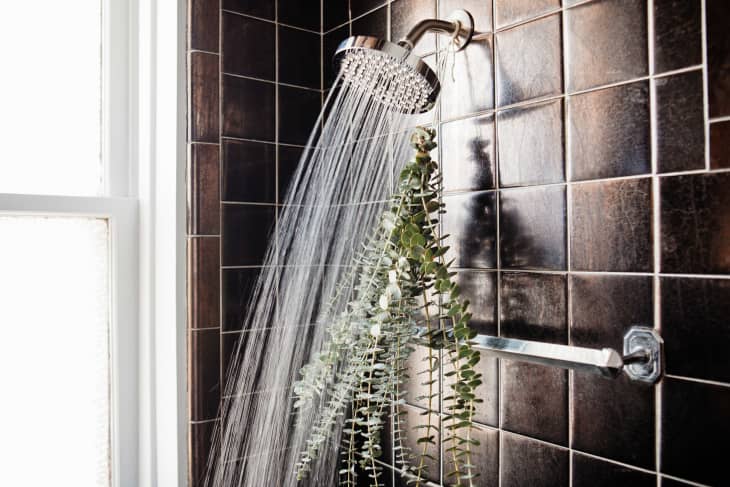
It’s impossible to watch a home design show or browse Zillow without seeing a rain showerhead. The sleek cascade of water is a trend that doesn’t seem to be in danger of ending anytime soon. “Almost every client I work with on a primary bathroom remodel requests a rainfall shower head,” says Christina Duffy, a designer and project director for Freemodel. “Something about standing under the ‘rain’ gives people that luxury vacation vibe.” While Duffy loves to give clients their dream bathroom, she also says this pick isn’t without its drawbacks.
Whether you’re considering installing a rain showerhead in the future, or you’ve already installed one and are frustrated by it, don’t worry — you do have some choices.
What’s the Problem with Rain Showerheads?
“Even though they look high-end, washing and rinsing long hair in a shower with a rainfall showerhead can be challenging because they have lower pressure than regular showerheads,” Duffy says. This is a common complaint of those who recently installed a rain showerhead, and actually, that’s not the only downside. Rain showerheads can also be more prone to leaks, she notes, so be sure to choose a reputable brand.
The other issue with rain showerheads that Duffy says no one talks about? It can be really tricky to clean your tub and shower stall without a handheld option, making it easier for soap scum, stray hairs, and blobs of body wash to build up. But in most cases, there’s a simple enough fix.
How to Make Rain Showerheads More Functional
Add a handheld showerhead.
You always have the option to add a handheld showerhead, but whether or not it’s a simple installation depends on your situation. Duffy does a lot of remodels where the rain showerhead actually comes out of the ceiling as opposed to the wall.
In the case of a full shower remodel where the walls are open and pipes are exposed, adding an additional showerhead will require piping a second faucet on the wall to attach a handheld to.

Install a combination handheld showerhead and rain showerhead.
When remodeling an existing shower stall without tearing into the wall, remodelers are more likely to be dealing with a wall-mounted faucet situation, in which they would have to replace a standard showerhead with a rain showerhead on an extension arm.
In this case, there are more options for combination products that include both a handheld showerhead and rain showerhead branching off the same point. Duffy says it’s important to look for brass internal fittings and stick with major retailers that have a proven track record. That doesn’t always mean a high price point, though — she’s a fan of Delta showerheads for remodels with a tighter budget, for example.

Keep it simple with a diverter.
For a more basic fix, there are also tub spouts and pipe fittings that include a diverter and threads where a simple handheld showerhead can be easily attached. They aren’t exactly stylish, but they are functional.
When in doubt, always feel free to ask your local plumber for their best tips, fixes, and products for your specific showerhead and issue.