
Forget All-White Rooms — Sherwin-Williams Says Minimalism Is Embracing This New Trend
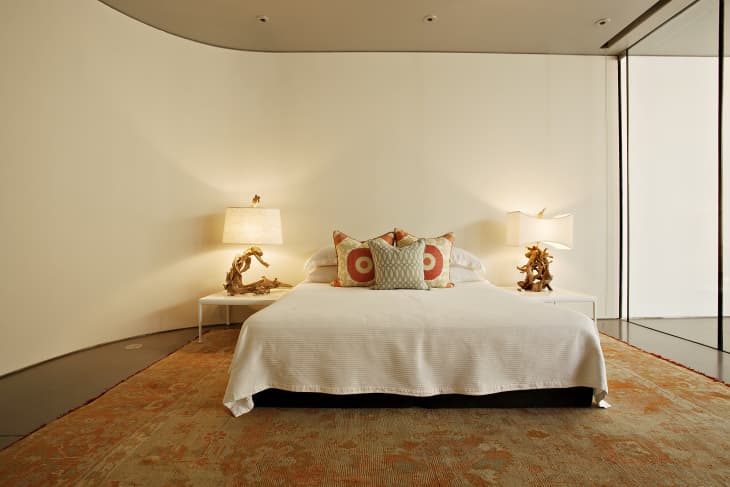
If you’re part of the crowd that sees the phrase “minimalism” and bristles, you may be thinking of an era of design that’s slowly (but surely!) fading. Diehard minimalists are done buying into bare white walls, slate gray surfaces, and sleek chrome finishes. Rather, minimalism is moving beyond its “sterile” stereotype; according to pros at Sherwin-Williams, the newest take on this aesthetic starts with color. And (yes, really!) white doesn’t necessarily reign supreme.
It all has to do with “restorative” minimalism, which is a new territory for the aesthetic that’s gaining steam in interior design, per Sherwin-Williams’ Winter 2026 Trend Report. The movement focuses on going “beyond bare, understated interiors to embrace the character of the natural world,” as the report reads.
What Exactly Is “Restorative” Minimalism?
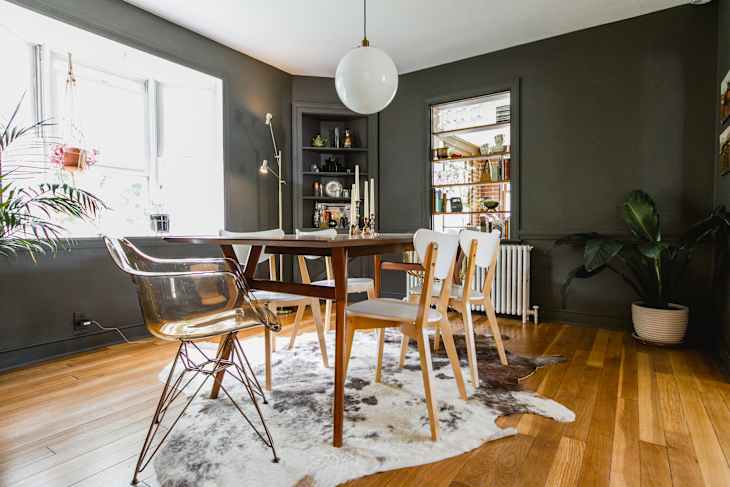
Industry insiders at Sherwin-Williams say homeowners are looking for ways to upgrade their spaces to make them feel more like peaceful retreats without having to undergo full home renovations. Decluttering and repainting are two surefire fixes that make a huge difference. The company describes this newest aesthetic as a combination of “calming, nature-inspired colors” paired with “tactile textures and materials that celebrate craftsmanship and organic imperfections.”
Moreover, with this aesthetic, natural wood tones, soft textures, and neutral accents help add depth to a space without overwhelming it with visual noise. Think of styles like Japandi and Scandi when picturing Restorative Minimalism. They’re calming and reliant on organic materials and textures, yet they’re unafraid of a pop of color or a curated collection on display.
These Colors Are Leading New Minimalist Trends in 2027
Move away from your preconceived notions about minimalism by pushing grays, beige, and whites to the side. Sherwin-Williams notes that colors like Dutch Boy’s Deep Rooted (311-7DB), it’s 2027 Color of the Year, is a perfect base to build off of. It creates an earthy backdrop for neutral accents and rich upholstery and can be that pop of interest you need in a space you want to keep simple but striking.
Other hues like sage greens, muted blues, moody browns, and off-whites offer effortless ways to expand your palette while maintaining a serene, nature-inspired feel:
- Sage Greens: For accent walls, kitchen cabinetry, or large textiles such as curtains to introduce a subtle leafiness that bridges indoor and outdoor spaces.
- Muted Blues: Ideal for bedrooms and bathrooms, soft, powdery blues mimic sky and water tones, adding tranquil depth without feeling overly cool.
- Moody Browns: Deep espresso or rich walnut paint and leather details can anchor a living room, pairing beautifully with natural woods to ground minimalist layouts.
- Off-Whites: Swap stark pure whites for warm, creamy off-whites on trim and main walls to soften daylight and complement rich, earthy undertones.
Get Ready for Minimalism 2.0
If you want to make your space feel more peaceful without committing to pure minimalism, then embracing this “restorative” minimalist approach may be the perfect alternative.
Start with a colorful yet calming base, declutter the items you know can go, and you’ll be left with a home that rejuvenates rather than drains you. Ditch the clutter, dodge the sterility, and opt for the perfect restorative in between!