
Designers Say Every Small-Space Dweller Should Avoid These 7 Items in a Living Room
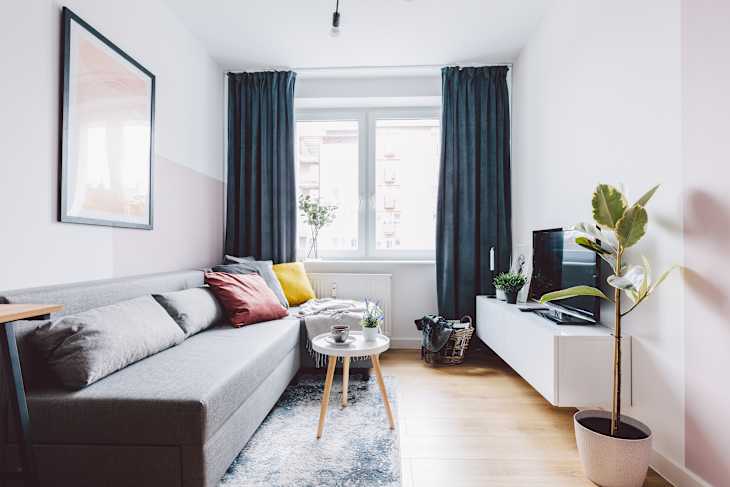
It’s all too easy to fill a small living room with furniture you like, only to later realize that you’ve gone a little overboard. You’ll know that’s the case when it’s difficult to maneuver around the room — or you notice there’s little to no white space anywhere as you visually scan your surroundings. Designing a home is definitely a process full of trial and error, but it’s nice to know what to avoid in a small living room from the get-go to save time and money in the long run.
As a renter with a tiny, fairly narrow living room layout myself, I wanted to crack the code here for my fellow small-space dwellers. So I asked a handful of interior designer friends what they absolutely advise against putting in a small living room. I’m trying to avoid the things that made this list, and I think your space will benefit from you doing that, too.

Large Sofas
Extra long sofas — anything larger than 90 inches or so — are excellent for large open living rooms, but they can easily overwhelm smaller spaces with their exaggerated proportions. Plus, as designer Kevin O’Gara points out, these big furnishings might not be all that functional in the first place. “Most of the time, only two people will sit on a standard sofa, so the extra inches aren’t going to be that handy in the end — especially when every inch in your living room counts,” explains the founder of Kevin Francis Design.
It’s probably best not to go with a sectional, either — even if it’s on the smaller side. “Opt for a sofa and ottoman instead, which is more portable and can double as an extra seat for guests,” O’Gara says. Designer Madelaine Mayer, the founder of AD:ROIT, spells this out further by explaining how the chaise portion of a sectional takes up unnecessary space within a small room. “The chaise has no back or arm, which makes it an awkward and uncomfortable seat, so its only real use is as a very large and stationary ottoman,” she adds.

Too Many Accent Chairs
Stuffing your living room with all kinds of accent chairs isn’t a smart idea — especially if you’re short on space. One carefully placed armchair is probably all you need, if that. “Filling corners with extra seating may seem practical, but it disrupts flow and makes the room feel crowded,” says designer Eve Jean, the founder of Style My Space Inc. “Prioritize versatile seating like ottomans or stools that can easily be moved or tucked away.”

Bar Carts
While bar carts can be cute, O’Gara finds they often go untouched and aren’t the smartest choice for most small-space dwellers. “As much as the idea of a bar cart excites the first-time decorator, they hardly ever get put to use and end up becoming dust collectors,” he says.
Instead, look for a piece that can serve double duty. “An antique chest of drawers in your living room can serve as a bar, but also store your off-season clothes when you don’t need them,” says designer Madeline Hemingway. Just make sure you’re using something compact in this case; a nightstand with closed storage could also probably do the trick here (and these tend to have smaller footprints than dressers).
Excessive Accessories
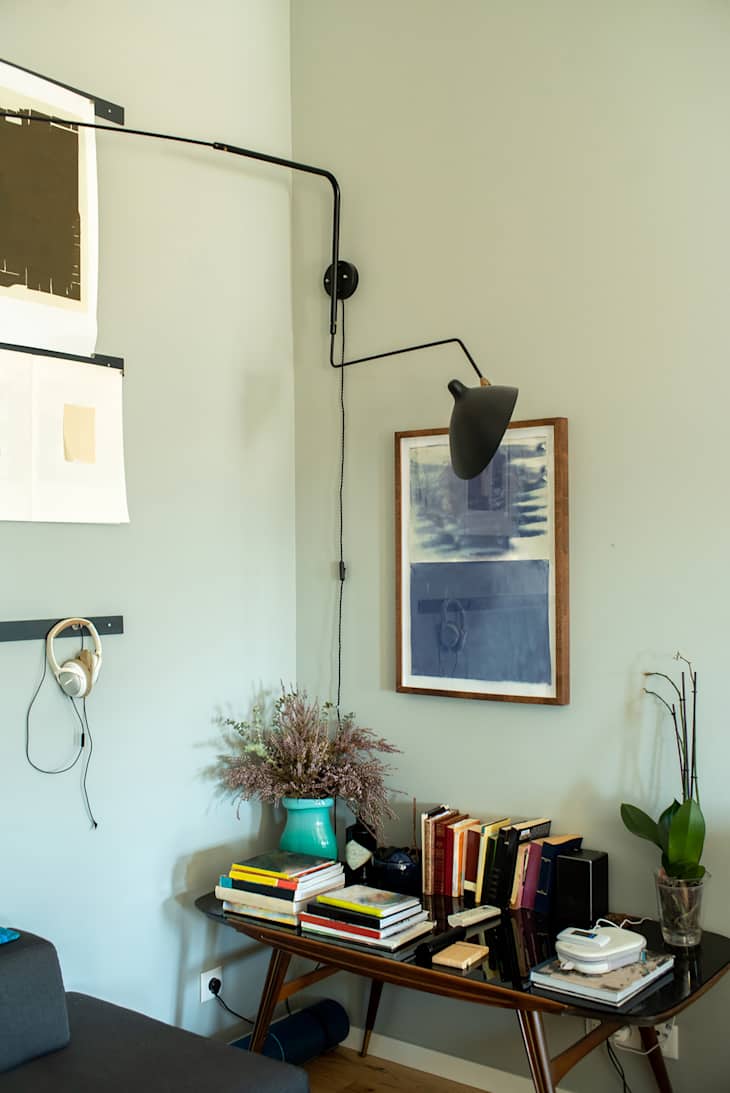
You want your small living room to look curated and intentional — not like a storage unit filled with clutter. For that reason, it’s a good idea to go easy on the decorative accessories, as designer Jaime Zehner of JZ Interior Designs recommends. “While layering can bring warmth, overcrowding with too many small items creates visual clutter,” says Zehner. “Choose fewer, more meaningful pieces that tell a story, and allow the room to feel curated rather than chaotic.”

Poor Lighting
You’ll want to be thoughtful about the lighting you bring into your living room, too. Designers say to avoid anything that’s too dull. “Small spaces can quickly feel dim and closed-in without proper lighting,” Zehner says. Think beyond a single light fixture, and opt for multiple styles. “Relying on a single overhead light can create harsh shadows,” she adds. “Layer your lighting with floor lamps, sconces, or table lamps to make the space feel inviting and balanced.”
Wall sconces can be an excellent choice for those looking to brighten up their living room without eating up surface space, designer Leah Walder adds. “This will help improve flow and prevent the room from feeling overcrowded.”

Tiny Rugs
Don’t skimp on rug size just because you’re dealing with limited square footage. Zehner witnesses this mistake often, and it can make a room look off-kilter. “A rug that is too small for a space often makes these spaces look smaller!” she also notes.
Make sure the rug you order isn’t too dark as well. “Deep, heavy rugs tend to visually ‘shrink’ a room,” Jean says. She suggests selecting lighter, low-pile rugs for small spaces to visually expand them. A lighter rug will always throw a little more brightness around a space, so start your shopping there.

Matching Furniture Sets
Design pros rarely approve of a matching furniture set, mainly because they can be visually imposing in a space — and this will be so much more noticeable when you’re low on square footage because there’s nowhere for your eye to rest in a sea of sameness. “Matching sets are not typically a designer’s recommendation, regardless of the size of the space, but they can feel especially limiting in small rooms,” says designer Emma Thayer.
Shopping for a mix of different items is more fun, anyway. “Opt instead for more special pieces that can help give your space personality and reflect who you are,” Thayer says.
Design Defined
Never miss the style inspo and recommendations you crave with Design Defined. Follow along each week as our Home Director Danielle shares the best style advice, latest trends, and popular decor finds you just can't miss.