
Why Your “Timeless” Home Looks Boring — And the 3 Easy Tweaks Designers Recommend
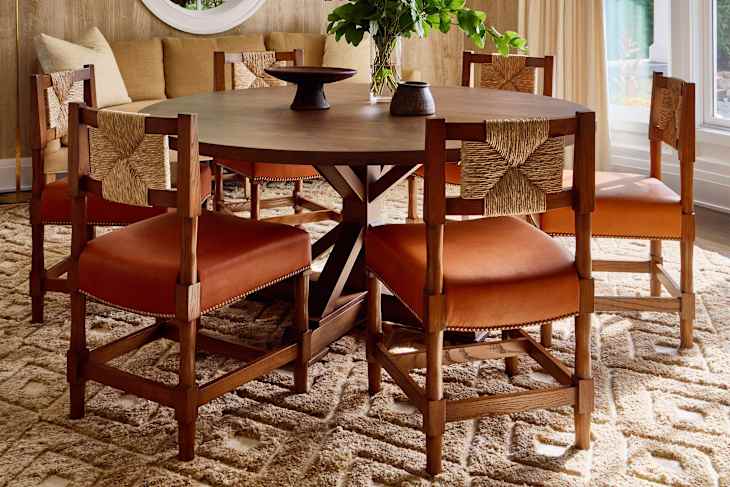
From the charming allure of cozy English cottages to the nostalgic vibes of style icon Nancy Meyers, traditional interiors are definitely trending. At some point, however, I think these trends sparked an obsession with the term “timeless.” Everyone wants their home to look as stylish in 50 years as it does today, which, in theory, is a great thing. But with this current trend come a lot of misconceptions about what a classic, timeless space actually looks like — and in trying to get the look, you might just make your home feel bland and (I hate to say it) basic.
Designers say that avoiding trends entirely does not mean you’ll end up with a timeless space. It might just make it harder to find your true personal style. “[The term] ‘timeless’ can become an excuse to play it so safe that you take all the personality out of it,” says Sydelle Reed, an interior designer in Jersey City. “A room still needs to make you feel something.” Below, designers share the most common mistakes they see clients making in pursuit of that timeless vibe — and what to do instead.

All-Neutral Color Palettes
One common misconception is that avoiding color means avoiding a “dated” interior — but that’s not true, according to designers like Liz Potarazu. She says conflating neutrals with timelessness can only lead to a snoozy design. “When everything is the same version of cream or beige and follows the same trend, a room can actually feel [more] tied to a particular moment,” says the Potomac, Maryland-based designer.
Dijana Savic-Jambert of MAREDI Design agrees. “People assume that by removing color, they have eliminated the possibility of a wrong choice,” says the designer, who splits her time between Chicago and France. “The wrong choice can still show up in a greige palette, which is often mistaken for the only route to longevity.” You don’t have to color-drench, but adding at least one bolder color to your neutral palette will give it the pop of personality it desperately needs to feel like “you” — and personal style is always chic. “No one is truly beige,” says Potarazu.

A Lack of Personal Touches
On a similar note, many people also seem to believe that a timeless interior needs to include items that could appeal to anyone and everyone. That is to say — there’s no place for trinkets or personal touches when you’re going for the timeless look. But spaces that really transcend time and trends don’t follow a formula. Rather, they are often full of small, personal touches that reflect the people who live inside.
“There’s a tendency to approach timeless design as though there’s a formula to follow, but I think that can result in rooms that feel predictable or lack personality,” says Grace Rosenstein, founder and design principal of Atelier Roan in Westport, Connecticut. “A home should be deeply personal, reflecting the people who live there, the things they’ve collected, and the experiences they’ve had.” Ultimately, designers want you to choose pieces that reflect you, not any one design style. “You’re allowed to have fun with your home,” says Reed. “You’re allowed to love color, buy the unusual chair, and keep the piece you inherited even if it doesn’t ‘match.” And what’s more timeless than fun?

Going Against the Style of Your Home
Repeat after us: You can’t force traditional design. Before covering your home in Ralph Lauren-inspired this or Nancy Meyers-esque that, take a look at the bones of your home. “As designers, there is often the tendency to want to come into a new space and impose our vision on it,” says Savic-Jambert. “We can often misread the space entirely and end up fighting elements we should be recognizing as part of the home’s character.”
Reed says some people like to shoehorn traditional features like wall molding into more modern spaces, but that doesn’t automatically create character. “It’s a choice, not a guarantee of longevity.” Instead, Savic-Jambert encourages you to take inspiration from different styles, but interpret them through your own lens. “Going all-in on replicating a style can leave a room feeling themed rather than enduring,” she says. “Develop some sort of foundation in your design, going back to a material palette or key features to highlight.” The result? A vibe that works for you and your home. And that is truly “timeless”!