
This Practical 200-Year-Old Home Entryway Trend Is Going Extinct — But It Shouldn’t
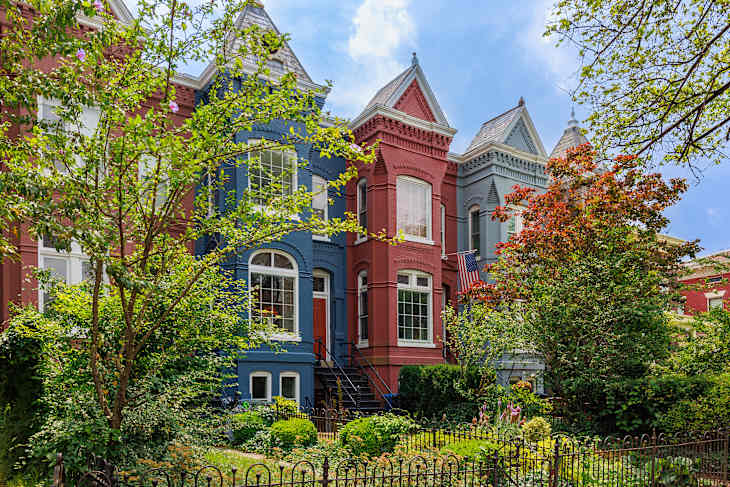
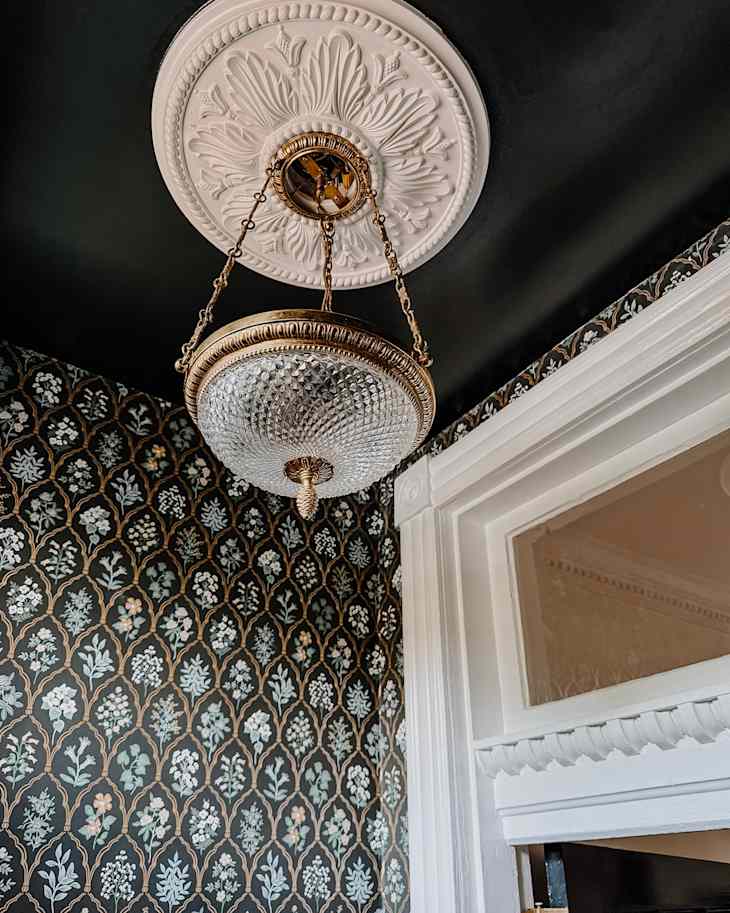
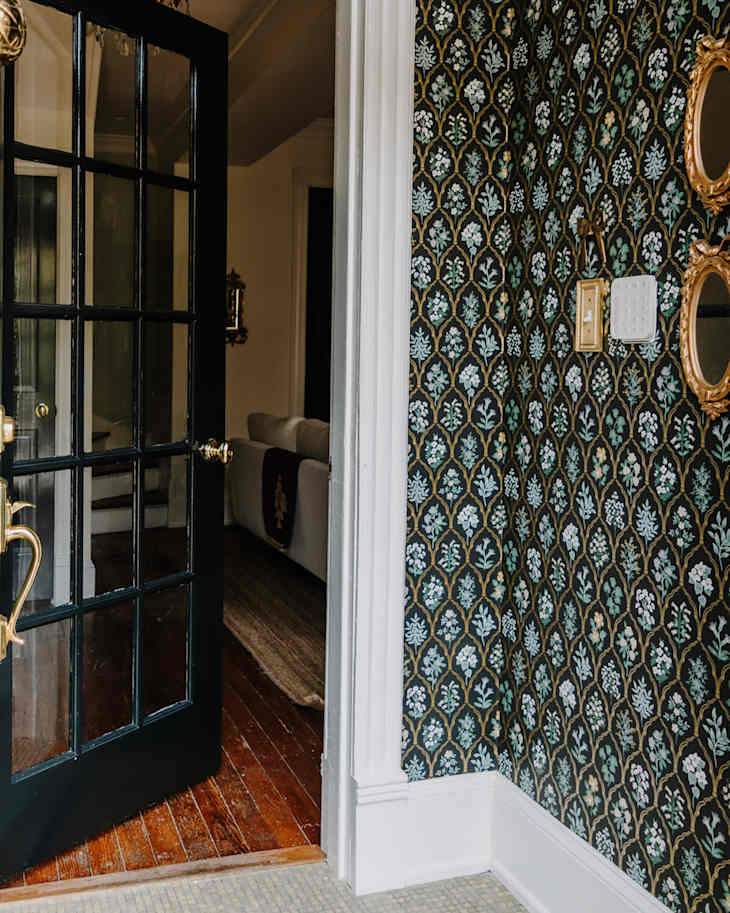
Walk through a historic city neighborhood at night, and you may notice that many of the homes seem to have a tiny enclosed entryway visible right through the front door. This space is known as a vestibule, and, while its roots go back thousands of years, it was a popular feature in many 1800s and early 1900s homes, particularly in urban areas. Nowadays, you won’t often find them in modern houses — and many historic urban homes have ripped them out in lieu of adding more square footage to the living room — but these small spaces are a functional element that deserves to be reintroduced to more homes everywhere. Vestibules provide an opportunity to add a “jewel box moment,” aka a bold design statement in a tiny room (whether through tile, wallpaper, or molding).
I’ve gone all in on making mine beautiful, and I always appreciate stepping into — or walking past — homes with similarly ornate vestibules. To learn more about the history of vestibules and why they were so popular for a time, here’s what a real estate expert, designer, and architectural historian each had to share.

What Is a Vestibule?
A vestibule is an enclosed entryway that typically serves as the transition between the front door and the main living areas of a home. As interior and product designer Rachel Blindauer puts it, “A vestibule isn’t just where you wipe your feet — it’s where you shift from public to private self.”
In residential architecture, the vestibule typically has locked doors on either side. One is the front door and the other is a secondary interior door. Often, vestibules featured tile floors, tile walls, and ornate molding. You could think of them as both a functional space and one to show off style and wealth during a time when people would greet visitors at the entry, without letting them in further.

What Was the Purpose of a Vestibule?
The vestibule was truly a multipurpose space. It acted as a buffer between indoors and out, while also emphasizing privacy, style, and etiquette. As Blindauer explains, “Vestibules captured cold breezes, protected interiors from mud or dust, and offered a little preparation moment before stepping outside. Especially in cities or older buildings, you’d open one door, then another. It was about insulation and transition.”
But beyond its obvious function, the vestibule gave homeowners a place to greet guests and feel as if there was just a bit of space between them and the outside world. “The vestibule allowed a wealthy homeowner to maintain privacy by limiting just anyone from having a line of sight into their parlor from the street any time the door opened,” says Casey Gaddy, a real estate agent in Philadelphia who is well-versed in historic homes featuring vestibules.
History of the Vestibule
While vestibules are often thought of as a 19th century architectural detail in the United States, their history goes back thousands of years further to ancient Roman and Greek architecture. Thalia Toha, exhibit designer and architectural historian at the Lafayette Museum, explains that significant public buildings, including the Pantheon and Hagia Sophia both feature revered vestibules.
But it was Thomas Jefferson’s Monticello that introduced the concept to modern architecture in America. “At Monticello, the vestibule is both a bridge from the exterior to the interior and a welcoming entry point that leads up to different interior spaces of the residence,” Toha says.
She notes that vestibules were often found in Victorian-style floor plans, like my home, and this is where you’ll find many of the vestibules that have been preserved, but they were seen across architecture styles. “The typically bigger foyers are meant as a design statement in many Tudor, Colonial, and Queen Anne style homes in the late 19th century,” Toha says.
Gaddy adds that vestibules became a status symbol by the mid-19th century. “Wealthy homeowners introduced the vestibule, featuring embellished custom tile work, stained glass, carved panels, and large ornate doors.”
Vestibules in Houses Today
Even in historic homes, vestibules have often been phased out over the years. While these spaces are small, even a tiny bump in square footage in a city rowhouse can make an impact, particularly when you’re trying to lay out modern furniture. And, with climate control being far more advanced than it was 150 years ago, there’s less functional need for a buffer between indoors and out.
“Vestibules are decreasing in popularity largely due to the increasing floor price per square foot,” Toha explains. Inflation and market changes also put pressure on vestibule’s true value. Smaller spaces have less need for transitional anterooms.”
But that doesn’t mean that all is lost. Gaddy explains that buyers looking for historic charm still gravitate toward these architectural elements. “Buyers seek that dedicated entry moment, whether it’s a little nook, a landing, or just that welcoming touch before the rest of the house.” And it’s also the opportunity to make the space your own jewel box — tiny, ornate, and filled with detail.