
What Is Shabby Chic Style? Decoding This Romantic Design Aesthetic
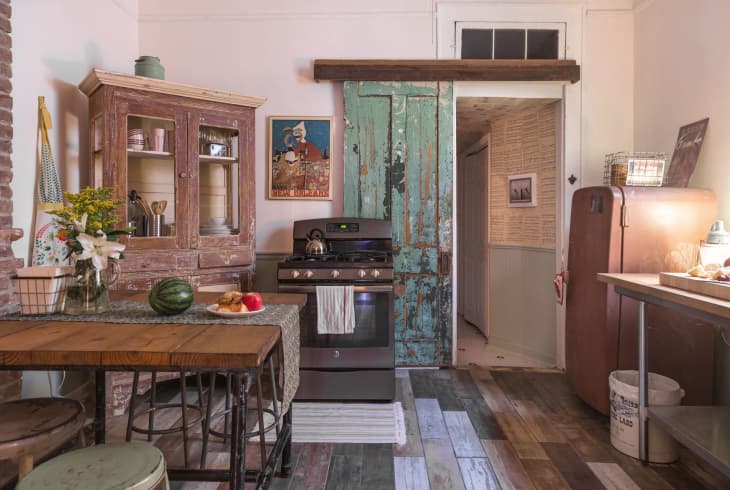
Shabby chic style certainly feels like it’s been around forever, but in reality, it’s only about as old as the average millennial. The rustic, romantic style first became popular in the U.S. in the late 1980s. The concept was described as a “conscious rejection of cultivated style” in a printed book published by The World of Interiors in 1988 — and interior designers have since worked to cultivate a very particular style tied to shabby chic interiors.
Almost 40 years later, shabby chic style is creeping back into trendy spaces as cottagecore design, farmhouse interiors, and French country style remain in demand. This romantic-turned-rustic style is marked by light, bright interiors that feature a thoroughly vintage aesthetic. Shabby chic interiors are filled with delightful antiques that turn heads, floral motifs, and other romantic elements.
“Basically, if Belle from Beauty and the Beast had been given the task of decorating the castle with Mrs. Potts, you’d have a lovely shabby chic home,” explains Kathy Kuo, founder and CEO of Kathy Kuo Home.
Below, interior designers share everything you need to know about shabby chic decorating — plus, a six-step checklist for incorporating this look into any space in your own home.
What Exactly Is Shabby Chic Style?
In a world where color-drenching and maximalist styles mash bold colors and patterns in a single space, shabby chic feels like a true antithesis to this aesthetic. Elements of successful shabby chic interiors feature intentional styling choices that look like they were ripped out of kitchens, bedrooms, and living rooms designed hundreds of years ago.
The style is commonly characterized in modern design through shared traits: predominantly whitewashed walls and color schemes, floral prints, ruffled and ruched upholstery and soft pastel colors. The combined style elements help to create an effortlessly cozy space that feels unique — although colors may be similar, no two rooms are the same when you examine the details. While it’s distinct from cottagecore themes and separate from French style (more on this later), shabby chic rooms often draw the same rustic inspiration.
Above all else, though, shabby chic designs are primarily full of vintage charm and a time-worn look. This makes the aesthetic particularly beloved by anyone on a bit of a design budget. After all, you can easily source shabby chic decor from thrift stores, flea markets, and antique shops in your own neighborhood.
The History of Shabby Chic Style
Credit for the invention of this aesthetic and style is given to interior designer Rachel Ashwell, who introduced the concept at the tail end of the 1980s, per self-published materials. Ashwell has since gone on to create a home furnishings brand under the same name, where the style is championed in each product, from bedding to wallpaper to paint options.
Both decades ago and in more recent years, shabby chic style has always championed interiors that curated cozy, romantic, and inviting spaces. The look has been inspired by the same vintage aesthetics that are built into French country homes, explains Charity Buchika, founder and principal designer of Vermont-based design studio Teaselwood Design.
According to search data collected by Google, interest in shabby chic style crested in 2020 amid the global pandemic, at a time when many were rethinking homes to be more comforting than ever.

Shabby Chic Style vs. French Country Design
It’s easy to get shabby chic style and French country design mixed up, as many often describe each aesthetic and its values as interchangeable. But Kuo insists the two are separate and distinct.
“The shabby chic trend is a sister aesthetic to classic French country — but it’s a bit more bohemian and laidback, as opposed to the formality sometimes associated with French country,” she explains. Both styles share commonalities, in that they use vintage pieces to create a relaxed look, but the exact furniture and upholstery being used may vastly differ.
French country aims to strike a balance between rustic and elegant, inspired by the simplicity of the French countryside — but shabby chic leans more towards creating soft, romantic, and vintage-inspired interiors.

Shabby Chic Style vs. Cottagecore Trends
Another similar decor style to shabby chic is cottagecore, another social media-fueled style that largely embraces a rustic look. But there are a few distinctions that designers like Kuo and Buchika say immediately make these two styles different.
Shabby chic interiors are often characterized by a signature white interior, pastel tones in decor and other touches, as well as floral prints — cottagecore styles, however, prioritize natural tones like neutral and earthy hues that you wouldn’t necessarily see in a shabby chic room. Plus, live foliage is another element that cottagecore lovers often reach for, and the two aren’t mutually exclusive in shabby chic designs.
Additionally, while shabby chic looks tend to rely on elements from rustic French interiors, cottagecore rooms take after the slow-paced lifestyle associated with cozy English countryside homes.

6 Tips for Bringing Shabby Chic into Your Home
Ready to create gorgeous vintage charm in a shabby chic look? Check out a few simple ways to incorporate this style into any room (or into the whole house!).
- Stick to light, muted colors and pastel tones. Avoid overly bright or dark shades, as well as using too much black.
- Use white as a backdrop. Simple white walls are a classic shabby chic design choice.
- Incorporate plenty of vintage touches. Buchika recommends gilded vintage mirrors and chandeliers to add some elegance and charm.
- Opt for soft, muted floral fabrics throughout your space. You can also incorporate this into any upholstery featured on seating, for example.
- Decorate with romantic-looking ribbons and ruffles. Throw pillows with ruffled flanges are an easy way to achieve this look, Buchika recommends.
- Be intentional about unfinished details and distressing. Bits of sweet imperfection can push this look over the top, says Kuo (think: patchwork, raw hems, and DIY quilting).

Ultimately, shabby chic is a decorating style “that draws its inspiration from the romantic and vintage aesthetics of French country homes,” Buchika explains. That guiding principle helps to create a familiar appeal to many who grew up surrounded by antique decor and shabby touches as kids or teens. Embracing a shabby chic look can help you create a really romantic and charming vibe in any space — all without needing more than a few trips to your local antique and vintage thrift stores.