
This Designer’s 70-20-10 Rule Makes Cheap Furniture Look Expensive
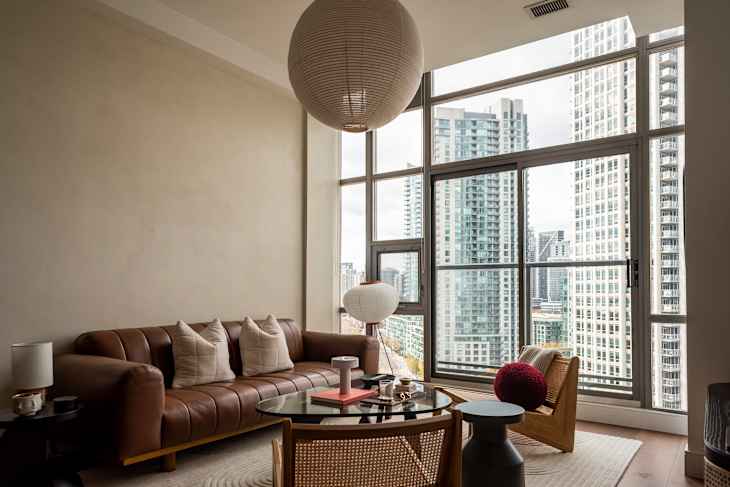
I write a lot about how to make a space look beautiful on a budget. From the best stores for affordable furniture to luxe-looking DIY upgrades, there are plenty of ways to make a room feel polished without spending a fortune. I love a splurge-y statement piece as much as the next home design enthusiast, but not everything has to be expensive for your home to feel luxe.
That said, it can be tricky to style both budget and designer pieces in the same space. So when I heard about how one designer had cracked that code, I had to share. Mina Lisanin, a New York-based designer and founder of Design Stuff, uses the “70-20-10 rule” to keep her projects feeling well-curated and cohesive. “I noticed my favorite spaces weren’t the ones where everything cost a fortune but had an intentional mix,” Lisanin explains. “Once I started paying attention to that balance, 70-20-10 became a shorthand I could actually explain to people.”
What Is the 70-20-10 Rule?
Apartment Therapy has written about the 70-20-10 rule before in other contexts. This foolproof formula can be applied to just about anything from budgeting to layering textures. But for Lisanin, it’s all about incorporating inexpensive and expensive pieces together in the same space. Because that’s the thing: Mixing high and low is a real art. “It doesn’t just mean putting something expensive next to something cheap,” she says. “There has to be a thread connecting them, or the room ends up feeling like a pile of unrelated purchases instead of a considered mix.”
According to Lisanin’s rule, 70% of a room’s furnishings should be the budget-friendly pieces, 20% should be more spendy, and the final 10% will be the true statement pieces. That 70% is usually the foundational items (the larger furnishings like bed frames, rugs, dining room sets, and storage furniture). In Lisanin’s words, that’s “the big stuff that has to be there for the room to function.”

Save the Splurge for a Few Standout Accent Pieces
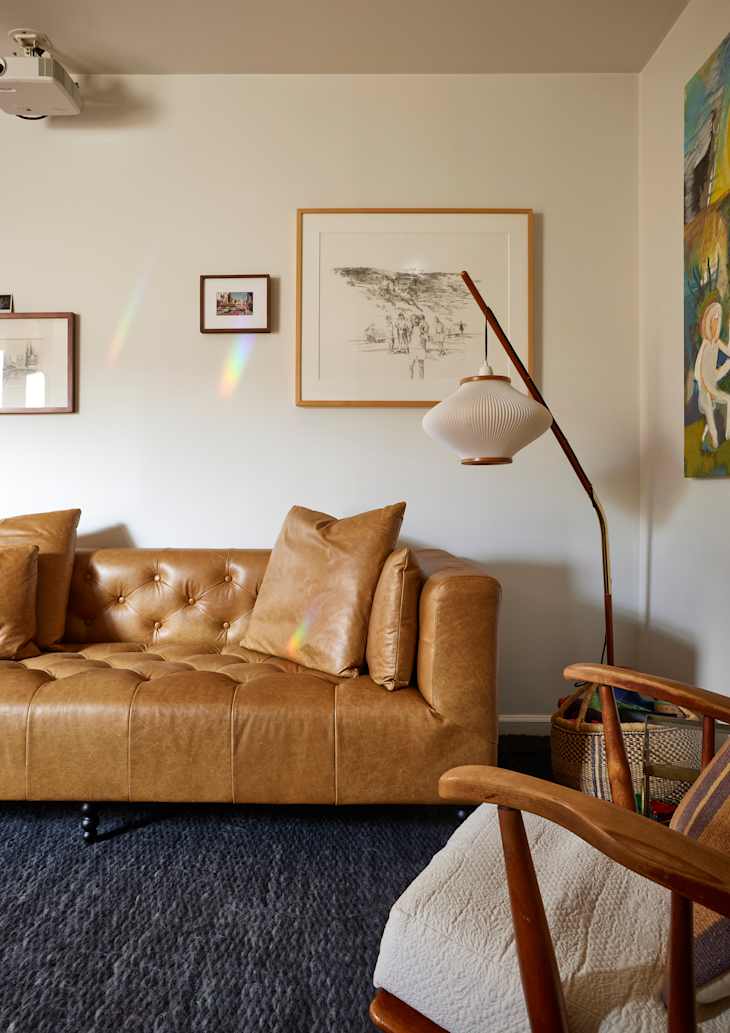
Once you’ve secured those affordable foundation pieces, you can splurge a bit more on the next 20% of the room. If you’re going to invest in some spendy items, let it be some of the smaller items that can still really elevate a space: A funky light fixture, decorative cabinet knobs or pulls, or nice bed linens are all good examples. Investing in quality, mid-level pieces here probably won’t totally break the bank, but it will definitely level up your space significantly.
And finally, for the remaining 10%? That’s where personality comes in. Whether a custom upholstered piece, a rare vintage art piece, or just a kitschy heirloom lamp you found in your grandma’s attic, these are the things that can totally make or break your space. The truly special pieces will land in that final 10% “simply because there’s nothing else like [them],” Lisanin explains. Whether that’s because they’re expensive, rare, customized, or simply sentimental, it doesn’t really make a difference. This last 10% is what will really level up your space and make it feel intentional.
How to Use the 70-20-10 Rule in Your Home
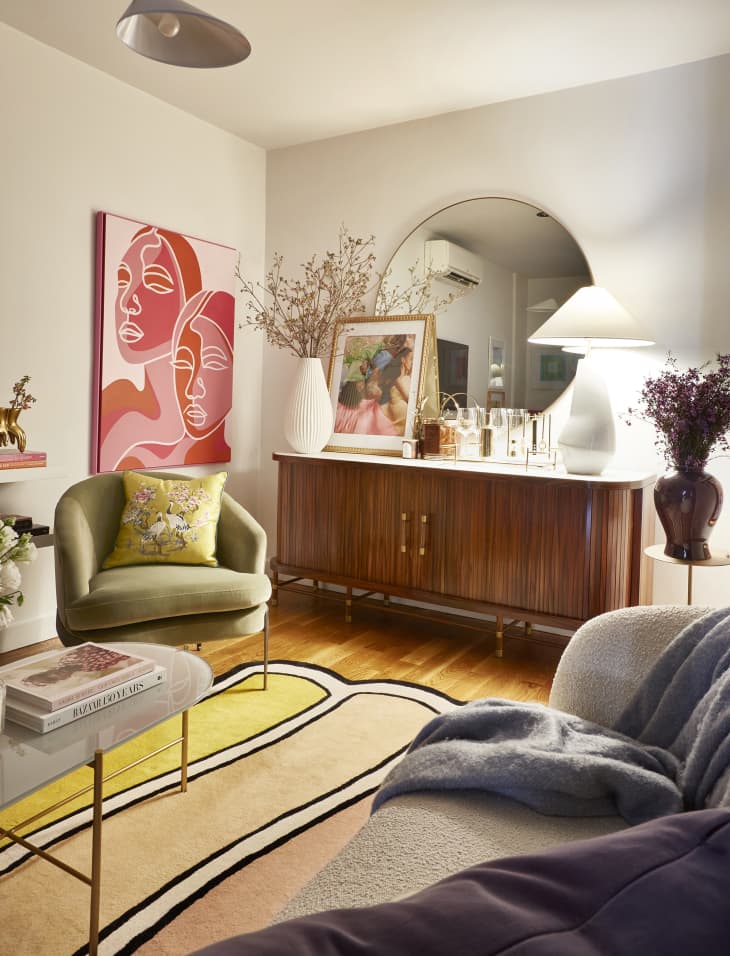
If you want to bring the 70-20-10 rule to life in your own space, look at the big picture. “Start with the 70% and just get the room functioning,” says Lisanin. “You don’t need the dream version of every piece on day one.” From there, the designer encourages you to address the areas your eye naturally goes when you step inside. “That’s usually where I’d spend the 20 and 10%,” she adds. And definitely don’t rush the process. A layered, collected space takes time to assemble, and good things come to those who wait.
The moral of the story? “If every single thing is competing for attention, nothing actually stands out,” Lisanin says. “An affordable sofa paired with a great light fixture or a good piece of art will often do more for a room than spending a little extra across everything.” The 70-20-10 rule makes achieving the “designer” look feel so much more approachable. In the end, it’s simple: Good design is “all about knowing what to save on, what’s worth spending more on, and where one [or two] special pieces can change the whole feel of a room,” Lisanin says.