
6 Designer Tricks That Make Any Room Feel So Vintage
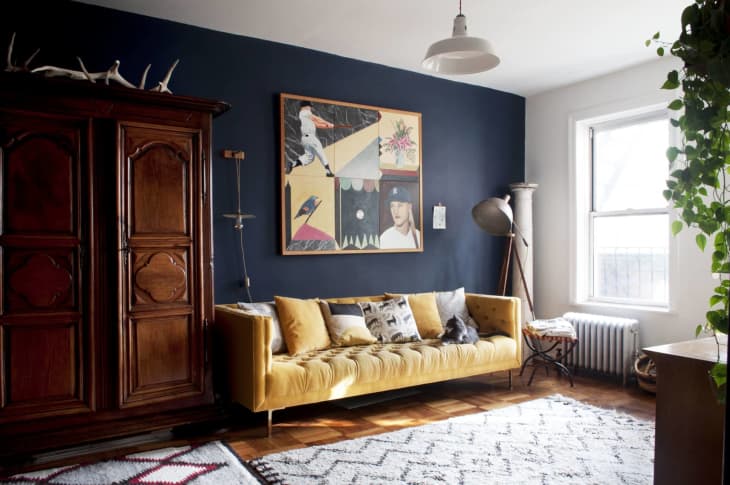
After years of modern, ultra-polished aesthetics dominating the design industry, people are yearning for character. Young renters and homebuyers are indicating that new-builds and gut-renovated spaces, despite clean lines and amenities, simply pale in comparison to the aesthetic charm of an older home. And designers agree: There’s something undeniably more interesting about a touch of patina or an imperfect silhouette. The romantic, old-world sensibility of vintage design is hard to beat.
If you find yourself in one of these more sterile spaces, longing for time-honored details, don’t worry. There are plenty of ways to style a space to give it a more vintage vibe — the most obvious being to add authentic vintage pieces. But decorating can feel daunting when the look of your home and the aesthetics of your finds are seemingly opposed.
I spoke with interior designers to uncover a few of their professional tricks for incorporating (or even manufacturing!) lived-in charm in any space. Although it may take careful consideration, the payoff — thoughtful, collected spaces that feel layered rather than rushed — is worth it.
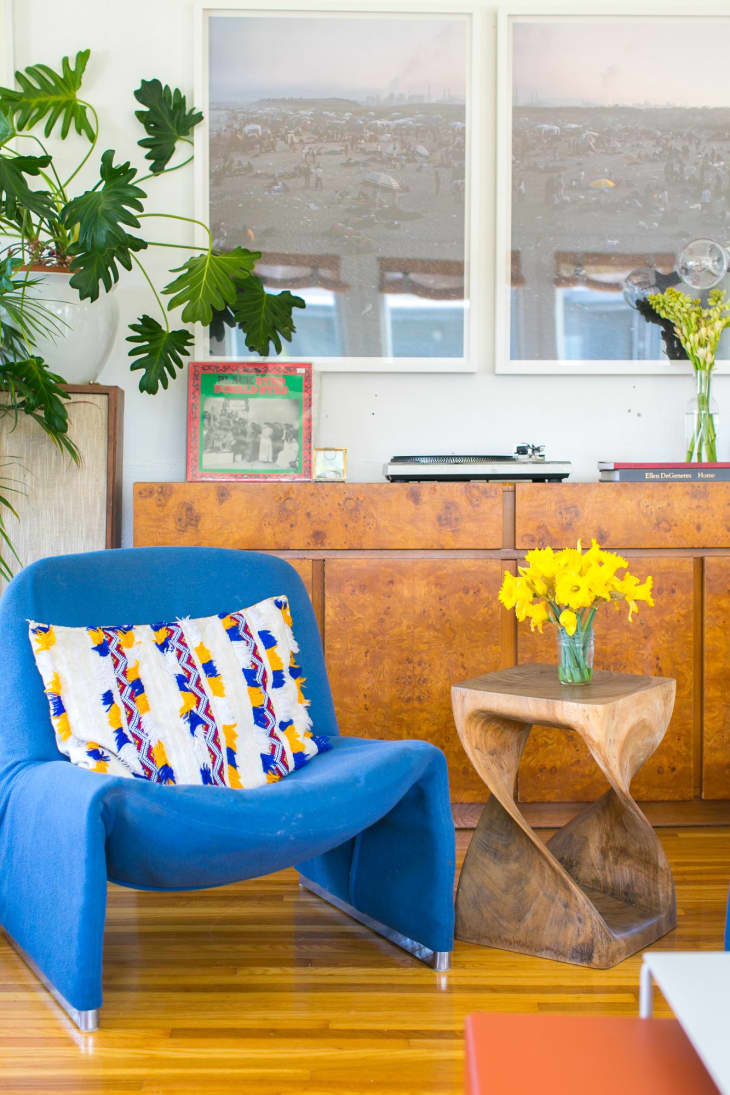
Do: Clash Old and New for a Layered Look
Beyond the art of sourcing, how does one actually style vintage pieces in a newly built home? By mixing them with modern ones, of course! Although you might be unsure about adding antique pieces to a modern space, don’t overthink it. Contrast is what gives a space depth and personality.
“Balancing new with old is key to creating warmth and character for any space, especially for those with a proclivity towards a vintage aesthetic,” says Lara Apelian, lead architect at Lara Apelian Studio in New York City. Not everything should be from the same era, or else your space might start to look like the set of a period piece!
Don’t: Plan to Source Everything in One Day
A space with a true vintage feel isn’t built overnight. I’ve always loved decorating with vintage items myself — even when it means taking extra time to source them and letting a room come together slowly. Plus, the lore and the story of how you found it make a secondhand piece all the more special.
So relax, be more intentional, and invest in pieces that you actually love — items you’re willing to wait for because they speak to you. “A well-crafted home comes from patience and resisting the urge to quickly fill a space just for the sake of completion,” says Kallie Thomson, co-founder and lead designer of Häti Home. “Vintage-inspired rooms feel layered and thoughtful because they evolve over time.”

Do: Use Textiles and Color to Add Softness and Depth
Color and texture are powerful tools when it comes to curating a vintage vibe — and the walls are a great place to start. If you’re able to paint, a limewash could transform a room completely; Apelian recommends Resource paints as a first option. For renters, feel free to do DIY with a peel-and-stick from Rebel Walls.
Thomson prefers to introduce color and texture in other ways. She focuses on “collected artwork, patterned rugs, ceramics, or furniture — both upholstered and wood,” she says. “Mixing wood tones is key to achieving a vintage look; avoid everything matching. Lean into deeper, richer wood finishes to create depth and contrast against newer architecture.” The goal isn’t perfection, but warmth, variation, and visual interest.
Don’t: Forget Window Treatments
Window treatments are often overlooked, but they can make a surprisingly big impact on a space. A curtain introduces softness, color, and warmth to a room, all without requiring any permanent changes. Thomson suggests the following: “Try café curtains with a subtle ruffle or pinstripe, or floor-length panels in a soft pattern or warm hue.”
Plus, window treatments can be great as room dividers, too. “Curtains don’t have to be limited to windows,” Thompson says. “Adding one to open kitchen shelving or a doorway can instantly introduce charm and character.” Or, try a drapery accent wall if you’re feeling really daring!
Do: Focus on Small Stylish Accents
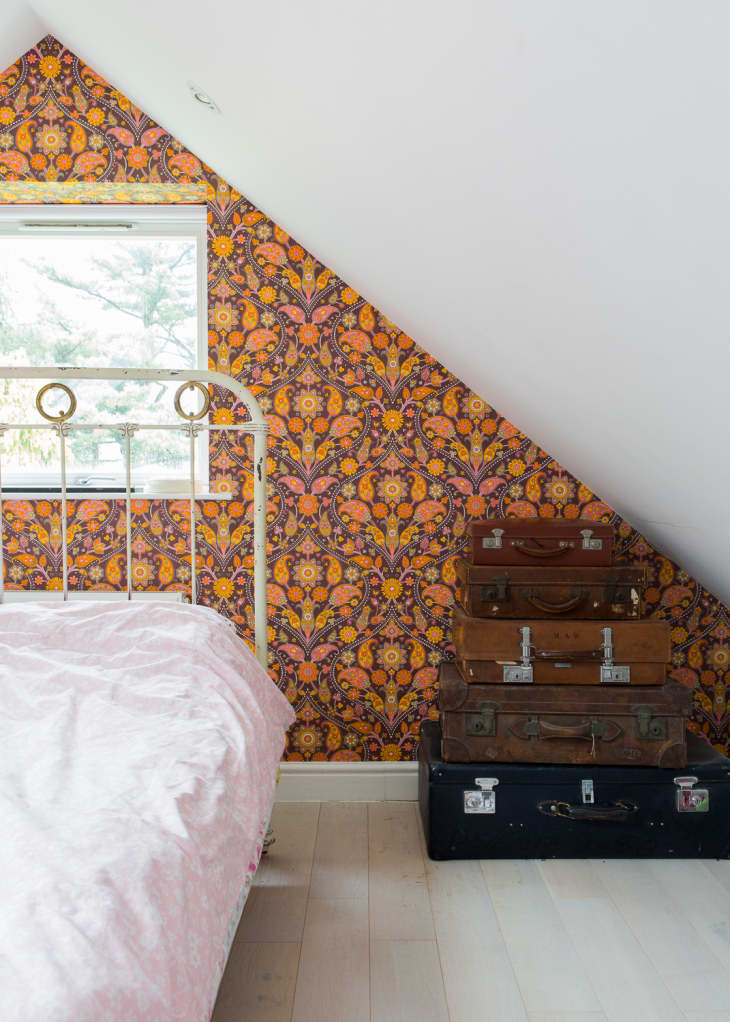
When it comes to vintage styling, smaller pieces often do the heavy lifting. Before committing to large furniture, start with accent pieces (or unexpected finds) that bring personality and function into your space. Apelain recommends opting for vintage storage solutions: “Finding luggage collections could be a great way to add more storage to a space that doubles as a design element in the room to bring an element of the past into your space”.
Thomson agrees that smaller-scale pieces are ideal for experimentation: “Mini side tables that bring personality in a bite-sized way. A small table next to a sofa in a contrasting wood tone, or a vintage-inspired step stool in the kitchen, can make a space feel more collected and less designed all at once. These smaller pieces also allow you to be a bit riskier with style.”
Don’t: Rely on Sterile Overhead Lighting
Lighting can make or break the overall feel of a space, and new-build homes often come with LEDs that would make a hospital feel cozy by comparison. Warm, layered lighting instantly softens interiors and helps even newer homes feel more atmospheric. Apelain notes a “warm (2700 Kelvin) bulb wall can do so much,” and highly recommends sorting through fleas until you find the perfect lamp or sconce. Think of lighting as jewelry for your home: subtle, expressive, and essential.
Design Defined
Never miss the style inspo and recommendations you crave with Design Defined. Follow along each week as our Home Director Danielle shares the best style advice, latest trends, and popular decor finds you just can't miss.